Home
Home
7 Best to-Do List Apps for iPad That Actually Maximize the Big Screen

The iPad has evolved from a simple media consumption device into a formidable productivity powerhouse. However, the hardware is only as good as the software that runs on it. When it comes to managing daily tasks, projects, and long-term goals, a generic smartphone app stretched onto a larger screen simply won't suffice. The best to-do list apps for iPad are those designed to leverage its unique capabilities—multi-pane layouts, Apple Pencil support, and sophisticated multitasking features like Split View and Slide Over.
Effective task management on an iPad requires a balance between rapid data entry and deep, focused planning. Whether you are a student organizing a semester, a creative professional tracking client deliverables, or an executive managing multiple teams, the right application can transform your iPad into a central command center.
Why Your iPad Needs a Dedicated Task Manager
Using a to-do list on an iPad is a fundamentally different experience than using one on a phone or a laptop. The "in-between" nature of the device offers opportunities for productivity that other platforms lack.
The Screen Real Estate Advantage
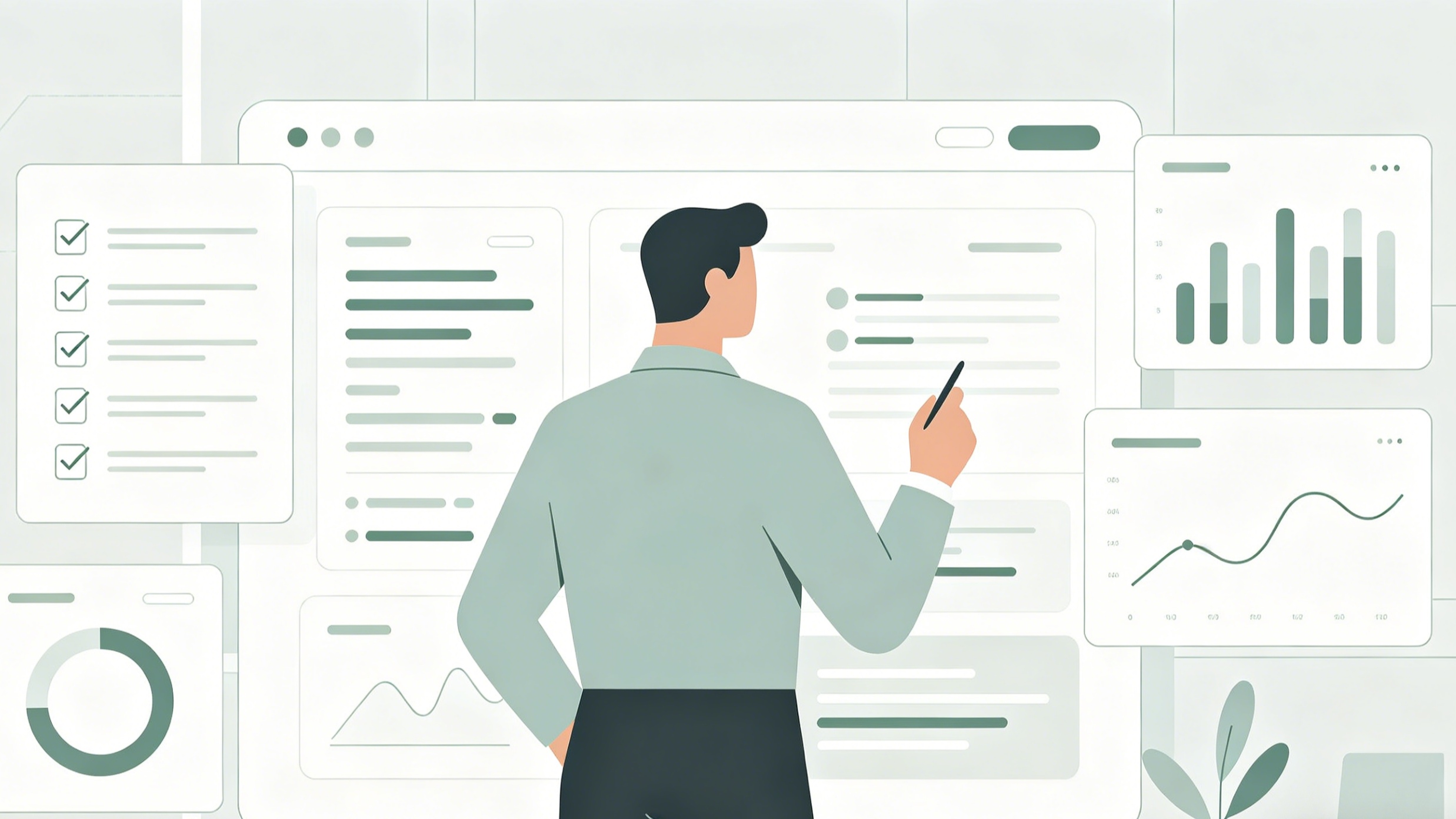
Unlike the cramped interface of an iPhone, the iPad offers enough horizontal space to display multiple layers of information simultaneously. High-quality iPad apps utilize a three-pane layout: a sidebar for navigation (folders, projects, filters), a middle column for the task list itself, and a right-pane for task details, notes, and subtasks. In our testing, this layout significantly reduces "app fatigue" because you don't have to constantly tap back and forth between screens to see the context of your work.
Apple Pencil and Scribble Integration
The Apple Pencil is often the deciding factor for choosing an iPad over a MacBook. Modern to-do list apps support "Scribble," allowing you to handwrite tasks directly into text fields. Beyond simple text entry, some apps allow for handwritten notes within task descriptions or even the ability to "draw" a task. This tactile connection to your list can enhance memory retention and make the process of planning feel more intentional and less like data entry.
The Best All-Rounder Apps for Universal Productivity
For the majority of users, the ideal app is one that is powerful enough to handle complex projects but simple enough to capture a grocery item in three seconds.
Todoist: The King of Natural Language Processing
Todoist remains a top recommendation because of its frictionless entry system. On the iPad, Todoist’s multi-column view shines, especially when used in landscape mode.
Natural Language Processing (NLP): The standout feature is how it interprets typing. If you type "Review marketing deck every Friday at 2pm #Work !!1", Todoist automatically sets a recurring reminder for Friday, assigns it to the "Work" project, and gives it a high priority. In a mobile environment where typing can be slower than on a desktop, this efficiency is vital.
The iPad Experience: During our extensive testing, we found that Todoist’s iPad implementation feels incredibly snappy. It supports keyboard shortcuts for those using the Magic Keyboard, making it feel like a desktop-class application. The drag-and-drop functionality is also highly polished; you can drag an email from the Mail app directly into a Todoist project to create a task with a link back to that email.
TickTick: The All-in-One Powerhouse
TickTick is for users who want to consolidate their entire digital life into one interface. It isn't just a to-do list; it’s a calendar, a habit tracker, and a focus timer all in one.
Integrated Features: TickTick includes a built-in Pomodoro timer, which is particularly effective on the iPad. You can keep your task list open in Split View on the left while the Pomodoro timer runs in a small window on the right.
Kanban Boards: For visual project management, TickTick offers a Kanban view that looks stunning on the iPad’s Retina display. Moving tasks between "To Do," "In Progress," and "Done" columns with a finger or Apple Pencil is intuitive and satisfying. If you find standard lists too linear, the Kanban board provides a much-needed bird's-eye view of your project's health.
Visual and Design-Centric To-Do Lists
Some users find that "utility-first" apps feel too much like work. For these individuals, the aesthetic and the "feel" of the app are just as important as the features.
Things 3: The Gold Standard of iPad Design
Things 3 is widely regarded as one of the most beautiful apps ever built for the Apple ecosystem. It is a premium, one-time purchase app that prioritizes clarity and whitespace.
The Interaction Model: Everything in Things 3 feels intentional. The "Magic Plus Button" can be dragged anywhere in a list to create a task exactly where you want it. On the iPad, the app uses a sidebar that can be hidden for a completely distraction-free experience.
Experience Note: In my daily workflow, Things 3 is where I go for "deep planning." It lacks the cluttered menus of its competitors, which helps reduce the anxiety that often comes with a long list of chores. It also features one of the best implementations of "Scribble" for the Apple Pencil; writing down a task feels as natural as writing in a physical planner. However, keep in mind that Things 3 does not offer a web version or an Android app, so it is strictly for those fully committed to the Apple ecosystem.
Structured: Planning Your Life on a Visual Timeline
Structured is a unique entry in the productivity space. Instead of a traditional list, it creates a visual timeline of your day.
Timeline Visualization: It pulls in events from your iPad’s calendar and mixes them with your to-do items. This allows you to see exactly where you have gaps in your day. For visual thinkers or individuals with ADHD who struggle with time blindness, this is a game-changer.
The iPad Layout: On the larger screen, Structured displays the timeline on one side and the task inbox on the other. It supports over 500 unique icons for tasks, making the list look vibrant and personalized. It’s less about "managing projects" and more about "managing your day."
Native and Ecosystem-First Options
Sometimes the best tool is the one that is already installed on your device. Apple and Microsoft both offer powerful options that integrate deeply with their respective ecosystems.
Apple Reminders: More Than Just a Simple List
Gone are the days when Apple Reminders was a basic checklist. Recent updates to iPadOS have turned it into a powerhouse that can compete with paid alternatives.
Grocery Lists and Smart Folders: One of the most impressive features for iPad users is the automatic grocery list categorization. When you add items like "milk," "apples," and "detergent," Reminders automatically groups them into sections like "Dairy" and "Produce."
Deep System Integration: Because it is a native app, its integration with Siri is unmatched. You can be cooking or driving and say, "Siri, remind me to check the oven in 20 minutes," and it will be there. It also supports "Smart Lists" based on tags, dates, and locations. For a free app with no subscriptions, it offers incredible value, especially with its iCloud syncing across Mac, iPhone, and Apple Watch.
Microsoft To Do: The Choice for Enterprise Users
If your professional life revolves around Outlook, Teams, and Excel, Microsoft To Do is the logical choice.
"My Day" Philosophy: The heart of the app is the "My Day" view. Every morning, the list starts blank, and the app suggests tasks for you to add based on what’s due or what you didn't finish yesterday. This "fresh start" approach is psychologically beneficial for those who feel overwhelmed by a backlog of hundreds of tasks.
iPad Specifics: The iPad version is clean and professional. It supports the iPad’s dark mode beautifully and allows for easy file attachments (up to 25MB per task). If you flag an email in Outlook on your PC, it will automatically show up as a task in the "Flagged Email" section of the app on your iPad.
The Specialist Choice for GTD Power Users
For those whose lives consist of hundreds of moving parts and complex dependencies, a simple list isn't enough. They need a system.
OmniFocus 4: Deep Customization and Automation
OmniFocus is built around the "Getting Things Done" (GTD) methodology. It is arguably the most powerful task management software available for the iPad.
Perspectives and Filtering: The "Perspectives" feature allows you to create custom views of your data. For example, you can create a view that only shows "Work" tasks that take "Less than 15 minutes" and are "Due soon."
iPad Pro Power: OmniFocus 4 was recently rebuilt to be even more "iPad-first." It features a highly customizable toolbar and supports complex automation via Apple’s Shortcuts app. While it has a steep learning curve and a higher price point, for the "productivity nerd" who wants to track every minute of their life, there is no substitute. In our testing, using OmniFocus with a keyboard and mouse on an iPad Pro felt identical to the desktop experience, proving how far iPadOS has come.
Maximizing iPadOS Features for Your To-Do List
To get the most out of your chosen app, you must utilize the system-level features that Apple has designed for the iPad.
Mastering Split View and Slide Over
The true power of an iPad to-do list is revealed when you use it alongside other apps. If you are reading a PDF in Safari and need to create a task based on it, you can swipe up to open your to-do list in Slide Over. This allows you to quickly add the task and then swipe the app away to return to your reading.
Alternatively, use Split View to keep your to-do list open on the left (occupying about 30% of the screen) while you work in your primary app on the right. This keeps your priorities constantly in your peripheral vision, preventing you from getting lost in deep work and missing a deadline.
Interactive Widgets and Lock Screen Integration
With the introduction of interactive widgets, you no longer need to open the app to check off a task. We recommend placing a large-size widget on one of your Home Screen pages specifically for your "Today" list. Being able to tap a checkbox directly on the Home Screen reduces the "friction" of task management. Additionally, adding a to-do list widget to your iPad's Lock Screen ensures that your most urgent task is the first thing you see when you wake up your device.
How to Choose the Right App for Your Workflow
The "best" app is subjective and depends on your specific needs:
- For the Minimalist: Choose Things 3. Its beauty and simplicity will encourage you to keep your list updated without feeling overwhelmed.
- For the Cross-Platform Worker: Choose Todoist or TickTick. If you switch between a Windows PC at work and an iPad at home, these apps ensure your data is always in sync.
- For the Visual Planner: Choose Structured. Seeing your day as a timeline helps you understand the reality of your time constraints.
- For the Ecosystem Purist: Stick with Apple Reminders. It is free, powerful, and built into every device you own.
- For the GTD Enthusiast: Invest in OmniFocus 4. It provides the structure and depth required for professional-grade project management.
Summary
Selecting a to-do list for your iPad is about more than just a list of checkboxes; it is about finding a digital partner that matches your cognitive style. The iPad's unique form factor allows for a level of interaction—through touch, pen, and keyboard—that can make task management feel less like a chore and more like a structured path to success. By leveraging iPadOS features like Split View and interactive widgets, any of the apps mentioned above can become the backbone of a highly efficient productivity system.
Frequently Asked Questions About iPad To-Do Lists
Is there a completely free to-do list app for iPad? Yes, Apple Reminders and Microsoft To Do are completely free to use. Apple Reminders is pre-installed on every iPad, while Microsoft To Do can be downloaded for free from the App Store and used with a standard Microsoft account.
Can I use these apps without an internet connection? Most high-quality iPad to-do list apps, including Todoist, Things 3, and OmniFocus, work offline. You can add, edit, and complete tasks without Wi-Fi. Your changes will then sync to the cloud once your iPad reconnects to the internet.
Do these apps support the Apple Pencil? Yes, almost all modern productivity apps support the Apple Pencil via a feature called "Scribble," which converts handwriting into typed text. Apps like Things 3 and Apple Reminders are particularly well-optimized for Pencil users, allowing for a very tactile planning experience.
Which app is best for sharing tasks with family or colleagues? Todoist and TickTick are excellent for collaboration. They allow you to share specific projects with other users, assign tasks to them, and leave comments. Apple Reminders is also great for families, as you can easily share a "Grocery" or "Home" list with anyone in your iCloud Family Sharing group.
Should I choose a subscription or a one-time purchase? This depends on your budget and preference. Things 3 is a one-time purchase, which many users prefer to avoid "subscription fatigue." However, apps like Todoist and TickTick use a subscription model to fund continuous feature updates and cross-platform syncing services.
-
Topic: Get started with Reminders on iPad - Apple Supporthttps://support.apple.com/guide/ipad/get-started-with-reminders-ipadbb76bb3f/ipados
-
Topic: To Do List - Todo Reminders on the App Storehttps://apps.apple.com/lu/app/to-do-list-todo-reminders/id1640609657
-
Topic: To-Do List: Task & Schedule App - App Storehttps://apps.apple.com/ua/app/to-do-list-task-schedule/id6749856805