Home
Home
Basketball Courts Near Me: Find the Best Local Rims and Indoor Gyms
Finding a reliable basketball court is more than just a quick search on a map; it is about matching your specific game needs with the right facility. Whether the goal is a high-intensity pickup game, a solo shooting session to refine form, or a organized league environment, the quality of the court significantly impacts performance and physical safety. In 2026, the landscape of local basketball has shifted toward a mix of high-tech private facilities and upgraded municipal parks. This analysis breaks down how to identify the premier spots to play, what technical aspects to look for in a playing surface, and how to navigate the modern reservation systems that define the current basketball scene.
Effective Digital Strategies for Finding Courts Now
Locating a court in your immediate vicinity requires a multi-layered digital approach. While general maps are a starting point, they often lack the real-time data needed to confirm if a court is occupied, under maintenance, or hosting a private event.
Utilizing Real-Time Map Filters
Modern mapping tools allow for precise filtering beyond just location. When searching for "basketball courts near me," the focus should be on the "Open Now" and "Live Busy-ness" indicators. These features use anonymized data to show if a court is currently at peak capacity, which is essential for avoiding long wait times for a run. Reviewing user-uploaded photos from the last few months provides the most accurate look at the current state of the rims and the net condition.
Specialized Sports Apps and Platforms
By 2026, several dedicated platforms have streamlined the process of finding and booking courts. These services often include user-generated ratings focused specifically on basketball metrics: rim tension, floor grip, and lighting quality. Some apps now integrate with smart-hoop technology installed in major city parks, allowing players to see if a game is currently in progress before they even leave their house.
Social Media and Community Boards
Local community groups on platforms like Discord or specialized neighborhood apps remain the best source for discovering "hidden gems." These are often courts located within corporate campuses that allow public access on weekends, or smaller parochial school gyms that rent out hours to the local community. Engaging with these groups also provides insight into the skill level of the players who frequent specific locations.
Comparing Court Types: From Asphalt to Hardwood
The choice between an indoor and outdoor court usually comes down to a trade-off between accessibility and playing conditions. Understanding the nuances of each helps in making an informed decision for your session.
Public Parks and Streetball Hubs
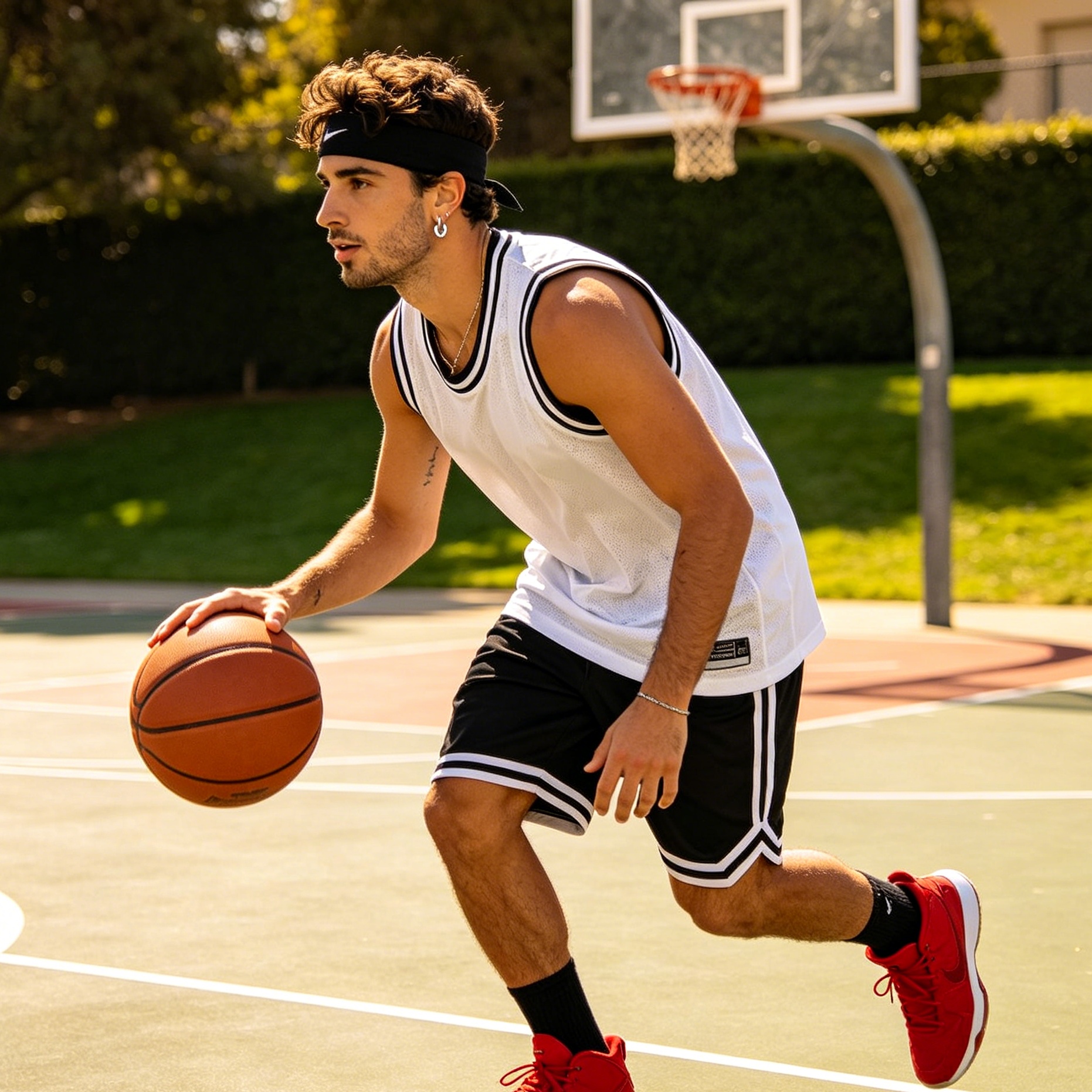
Public outdoor courts are the backbone of basketball culture. They are generally free and offer the highest level of accessibility.
- The Surface: Most utilize acrylic-coated asphalt or concrete. While durable, these surfaces are unforgiving on the joints and can lead to increased wear on basketballs.
- Availability: These operate on a first-come, first-served basis. In 2026, many major metropolitan parks have implemented digital queueing systems during peak hours to ensure fair play.
- The Experience: Outdoor play is subject to wind, temperature, and sun glare. However, it is the best place to find high-stakes pickup games and build local reputation.
Community Centers and YMCAs
For players seeking a consistent environment without a premium price tag, community centers are the standard.
- Indoor Climate Control: These facilities provide a refuge from extreme weather, ensuring the ball handles the same way every time.
- Floor Quality: Most feature multi-purpose synthetic flooring or older hardwood. While better than asphalt, these floors require frequent cleaning to maintain grip.
- Access Requirements: Most require a daily drop-in fee or a monthly membership. It is vital to check the "Open Gym" schedule, as these courts are frequently blocked off for youth programs or senior fitness classes.
Private Sports Complexes and Academies
These are the top-tier options for serious training and competitive leagues.
- Professional Surfaces: Expect Grade-A Maple hardwood with advanced shock absorption. These floors are cleaned daily to ensure maximum traction.
- Amenities: High-end facilities offer professional-grade glass backboards, electronic scoreboards, and integrated filming systems for post-game analysis.
- Cost and Booking: These typically require advance booking through an online portal. While expensive, they offer the peace of mind that a court is guaranteed for your allotted time.
Technical Evaluation: How to Spot a Quality Court
Not all courts are created equal. A physical inspection—or a close look at recent reviews—should focus on several technical factors that influence game quality and safety.
The Floor's Condition
On hardwood, listen for the sound of the bounce. A "hollow" or dull thud can indicate dead spots where the subfloor has warped or detached, leading to inconsistent ball response. For outdoor courts, check for "alligator cracking" (fine, interconnected cracks) or any upheaval in the asphalt caused by tree roots. Even a small bump can redirect a dribble and cause a turnover or a rolled ankle.
Rim and Backboard Integrity
Ideally, a court should feature breakaway rims that absorb some of the impact of a shot or a dunk. Fixed, rigid rims are common in older parks but can be hard on the wrists and cause the ball to bounce long and erratically. The backboard should be stable; if it shakes for several seconds after a layup, it indicates poor maintenance and will affect banked shots.
Lighting Standards
For evening or indoor play, lighting must be uniform. Shadow zones on the court can make it difficult to track the ball's rotation or see a defender's feet. In 2026, many premier courts have transitioned to high-output LED systems that mimic natural daylight, reducing eye strain during long sessions.
Safety and Surroundings
Evaluate the "out-of-bounds" safety zone. There should be at least three to five feet of clear space beyond the baseline before a wall, fence, or bleacher starts. Courts that are cramped increase the risk of collision during high-speed transitions.
Understanding 2026 Court Etiquette and Culture
Joining a new court means respecting the established social hierarchy. Navigating pickup culture is as much a skill as the crossover itself.
- Claiming the "Next": The universal rule remains that the person who arrived first and asked for the "next game" has the right to captain the following team. In modern smart-courts, this might be handled via a digital check-in kiosk.
- Call Your Own Fouls: Respect is earned by playing hard but fair. Excessive fouling or complaining about non-calls is the quickest way to lose your spot in the rotation.
- Respect the Equipment: Hanging on rims—especially outdoor ones—is generally frowned upon as it bends the hardware for everyone else.
- The "Winners Stay" Rule: Most competitive courts operate on a system where the winning team stays on for the next game, usually up to a limit of two or three consecutive wins to prevent a single group from dominating the court all day.
Equipment Essentials for Different Surfaces
Your gear should change based on where you are searching for a "basketball court near me."
- Outdoor Gear: Use a dedicated outdoor ball with a reinforced rubber or composite cover. Indoor leather balls will be ruined by asphalt in a single session. Shoes should have thicker outsoles with a deep traction pattern to withstand the abrasive nature of concrete.
- Indoor Gear: Premium indoor balls (like the classic microfiber composites) offer the best grip but should never touch the pavement. High-performance shoes with softer, "sticky" rubber outsoles are ideal for hardwood but will wear down quickly if worn outside.
Maintenance and Community Responsibility
The longevity of local courts depends on the players. In 2026, many cities have moved toward a "community-maintained" model where local players can report damage through a city app. If you notice a loose net or a flickering light, reporting it immediately ensures the court stays playable for the whole neighborhood. Carrying a small kit to wipe down wet spots on an indoor floor or picking up trash around an outdoor rim goes a long way in preserving the quality of the space.
Frequently Asked Questions
How much does it typically cost to rent an indoor basketball court?
In the current market, prices vary based on the facility type. Community centers usually charge between $5 and $15 for a day pass. Private sports complexes can range from $40 to $120 per hour for a full court, depending on the time of day and the quality of the amenities.
Can I find free indoor basketball courts near me?
Free indoor courts are rare but do exist. Some city-run recreation centers offer "Free Play" hours for residents on specific mornings or weekend afternoons. Additionally, some large-scale churches or community outreach programs provide free gym access as part of their community service initiatives.
What are the best hours to find a pickup game?
For outdoor courts, the peak times are typically weekdays from 5:00 PM to sunset and all day on Saturdays. Indoor facilities tend to be busiest in the early mornings (6:00 AM to 8:00 AM) and late evenings after league play concludes.
Is it possible to reserve a public outdoor court?
Most public parks operate on a first-come, first-served basis. However, some upgraded parks in 2026 allow for reservations of the entire court for organized events or tournaments through the city's parks and recreation website. Individual hoops are rarely reservable.
What should I look for in a basketball court for children?
For younger players, look for "lower-rim" options. Many modern parks now feature adjustable hoops that can be set to 8 or 9 feet. Ensure the court surface is a cushioned synthetic material rather than bare concrete to minimize the impact of falls.
By systematically evaluating your options and utilizing the digital tools available, finding the right basketball court becomes a seamless part of your training routine. Whether it is the grit of the local park or the pristine hardwood of a private gym, the right environment is the first step toward a better game.
-
Topic: Where to Play Basketball Near Me: Top Options & Tipshttps://sportssurge.alibaba.com/basketball/where-to-play-basketball-near-me
-
Topic: Basketball Courts Near Me - Near Mehttps://nearme.co.za/basketball-courts-near-me/
-
Topic: Basketball Courts Near Me: Find the Best Local Courts for Playing, Training & Tournaments - Pacecourthttps://pacecourt.com/basketball-courts-near-me-find-the-best-local-courts-for-playing-training-tournaments/