Home
Home
Brown to Color Hair: Picking Your Best Brunette Shade Right Now
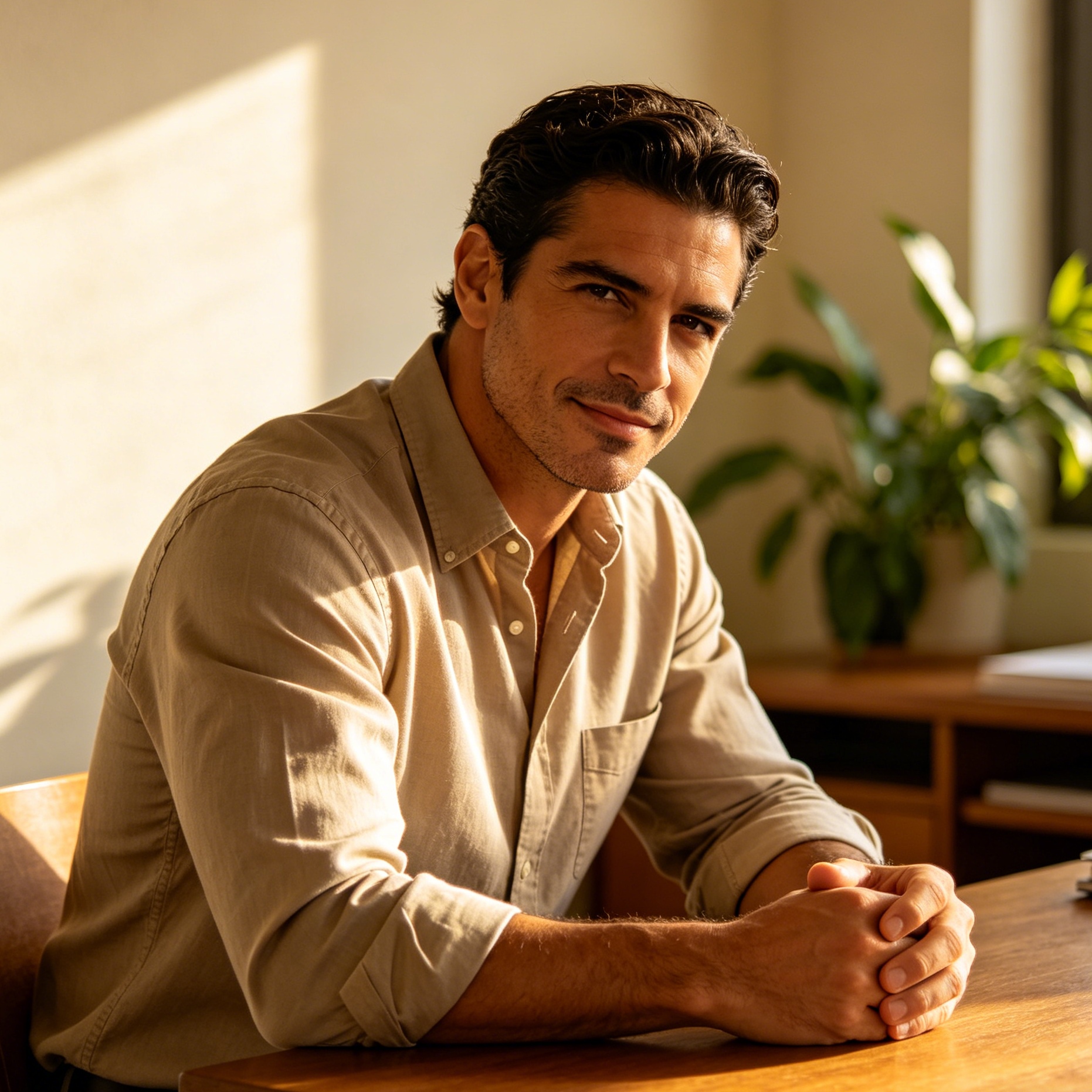
Brown hair has long moved past its reputation as a "safe" or "basic" choice. In the current landscape of 2026, using brown to color hair is about depth, multi-dimensional light reflection, and enhancing skin health through color theory. Whether you are transitioning from a bleached blonde or looking to enrich your natural dark base, the shift toward brunette requires a strategic understanding of undertones, hair porosity, and maintenance cycles.
The science of selecting the right brown shade
Not all browns are created equal. The most common mistake in using brown to color hair is ignoring the underlying pigments. Every shade of brown is a mixture of primary colors: blue, red, and yellow. The balance of these three determines whether a shade feels icy, earthy, or fiery.
Matching undertones with precision
Skin undertones are the permanent canvas against which your hair color performs. A mismatch often results in the skin appearing washed out, sallow, or overly flushed.
- Cool Undertones: If your veins appear blue or purple under natural light, or silver jewelry complements you better, you likely have cool undertones. The most effective use of brown to color hair here involves ash-based pigments. Think of "Mushroom Brown" or "Iced Espresso." These shades utilize blue and green bases to neutralize any natural warmth, providing a sleek, sophisticated finish.
- Warm Undertones: For those with greenish veins and a preference for gold jewelry, warm browns are the standard. Golden brown, honey, and caramel work by mimicking the natural warmth of the skin. These shades reflect yellow and orange light, creating a healthy glow that looks particularly vibrant in outdoor settings.
- Neutral Undertones: Those with neutral undertones have the most flexibility. They can drift between cool and warm shades or opt for "true browns" like chocolate or chestnut, which maintain a balanced pigment profile.
Leading brunette trends for 2026
As we navigate the mid-2020s, the trend is shifting away from heavy, solid colors toward "translucent" brunettes that change character depending on the light source.
Espresso with a cool-smoke finish
This is a deep, near-black brown that avoids the harshness of pure jet black. It is achieved by mixing a level 3 or 4 brunette base with a heavy dose of ash or violet tones. It provides a high-contrast look that is especially striking on pale, cool-toned skin. The smoke finish ensures that as the color naturally oxidizes, it doesn't turn into a brassy orange.
Raw Honey and Toasted Walnut
For those seeking warmth without the intensity of red, Raw Honey is a lighter brown shade that borders on dark blonde. It involves using brown to color hair in a way that emphasizes golden reflections. Toasted Walnut is its medium-depth counterpart, offering a richer base that feels grounded yet luminous.
Copper-Infused Brunette
Red-based browns are making a significant comeback. Unlike the stark burgundy of previous years, the 2026 version of copper-brown is more muted. It looks like a traditional chestnut brown indoors but reveals a fiery, metallic copper shimmer under direct sunlight. This is a high-impact choice for those with green or hazel eyes.
Techniques: More than just a single process
Using brown to color hair effectively often requires more than a single bottle of dye applied root-to-tip. Professional-grade results come from varying the saturation and placement of the color.
The rise of the "Lived-in" Balayage
Balayage continues to be the preferred method for brunettes who want low maintenance. By hand-painting lighter brown or caramel tones onto a darker base, the transition from roots to ends becomes seamless. This technique is particularly forgiving as the hair grows out, as there is no harsh line of demarcation at the scalp.
Babylights for subtle dimension
If you find solid brown hair too heavy, babylights offer a solution. These are micro-fine highlights that mimic the way a child’s hair lightens in the sun. By using a brown shade just two levels lighter than the base, you create an optical illusion of volume and movement without the "stripey" look of traditional highlights.
Reverse Balayage for recovered blondes
For those transitioning from high-lift blonde back to brown, a reverse balayage is essential. Instead of lightening the hair, the stylist adds "lowlights" of deep brown back into the blonde. This prevents the hair from looking like a solid, muddy block of color and helps maintain the integrity of the hair fibers which may have been compromised by bleach.
The DIY vs. Salon dilemma
When considering brown to color hair, the decision to do it at home or visit a professional depends largely on your starting point and your hair’s history.
When DIY is a viable option
If your hair is currently natural (virgin) or has been dyed a similar shade before, at-home kits can produce decent results. The key is to stay within two levels of your current shade. If you are a light brown and want to go to a dark chocolate, box dyes can handle the deposit of color well. However, always prioritize cream-based formulas over foams, as they offer better saturation and more consistent results.
When to seek professional help
- Corrective Color: If you have uneven patches, old highlights, or are trying to cover box-black hair, see a pro. Corrective color often requires "filling" the hair with protein and base pigments before the final brown is applied.
- Significant Lightening: If you want to go from dark brown to a light, ashy mushroom brown, you will need lightener (bleach). Achieving this without resulting in an orange mess requires professional-grade toners and a deep understanding of the "underlying pigment" at each level of lift.
- High Porosity Hair: Hair that has been damaged by heat or previous chemicals absorbs color too quickly and releases it just as fast. A professional can use acidic glosses to seal the cuticle and ensure the brown doesn't look dull or "hollow" after three washes.
Critical maintenance for long-lasting brunette tones
The biggest enemy of using brown to color hair is brassiness. Over time, the blue and violet pigments in your dye molecules break down faster than the red and yellow ones, leading to an unwanted warm or "rusty" appearance.
The color-safe hair routine
- Sulfate-Free Shampoos: Sulfates are surfactants that strip away natural oils and color molecules. Switch to a sulfate-free, pH-balanced cleanser to keep the hair cuticle closed.
- Temperature Control: Hot water opens the hair cuticle, allowing color to wash away. Rinse your hair with lukewarm or cool water to lock in the pigment.
- Toning Products:
- Blue Shampoo: Essential for dark to medium brunettes to neutralize orange tones.
- Purple Shampoo: Best for very light, ashy brunettes to neutralize yellow tones.
- Color-Depositing Masks: Use these once a week to add a fresh layer of pigment to the hair without the chemical damage of a permanent dye.
Protection from environmental stressors
UV rays act as a natural bleach. If you spend significant time outdoors, the sun will oxidize your brown hair, turning it toward a brassy orange. Using a hair-specific UV protectant spray or wearing a hat is vital for maintaining the integrity of cool-toned browns. Additionally, chlorine in pools can react with brunette dyes, sometimes resulting in a muddy or greenish tint. Always wet your hair with fresh water and apply a leave-in conditioner before swimming to create a barrier.
Addressing hair porosity and texture
How your hair takes to color is largely dictated by its porosity—the hair's ability to absorb and retain moisture.
- Low Porosity: The cuticles are tightly packed. It may take longer for the brown dye to penetrate. Using a bit of controlled heat during the processing time can help open the scales.
- High Porosity: The cuticles are raised or damaged. While the hair takes color almost instantly, it can easily look "over-saturated" or muddy. Using a pre-color treatment to even out the porosity is recommended.
Texture also plays a role in visual perception. Curly hair reflects light differently than straight hair. For those with curls, using brown to color hair should involve slightly lighter tones on the mid-lengths and ends to prevent the hair from looking like a solid dark mass, which can hide the definition of the curls.
The emotional impact of the brunette transition
Moving to a brown palette often brings a sense of "richness" and "health" back to the hair. Unlike blonde, which often requires constant bleaching that can thin the hair over time, brunette shades typically involve depositing color, which can actually make the hair appear thicker and shinier. It is a transition that many find revitalizing, offering a more grounded and natural aesthetic that aligns with the current global move toward "quiet luxury" and sustainable beauty practices.
Final considerations before you dye
Before finalizing your choice to use brown to color hair, perform a strand test. This is non-negotiable, especially for DIY enthusiasts. Apply the mixture to a small, hidden section of hair near the nape of your neck and wait the full processing time. This will show you exactly how the color interacts with your specific hair chemistry.
Furthermore, consider your wardrobe and makeup. A shift from blonde to deep espresso might mean your current foundation looks too light or your favorite pastel shirts suddenly feel too pale. Brunette hair often allows for bolder lip colors and more defined eyebrow shapes, providing a fresh opportunity to reinvent your entire look.
In 2026, the versatility of brown is unmatched. From the icy depths of a midnight coffee to the sun-drenched warmth of a golden chestnut, the options for transformation are limitless. By respecting the science of undertones and committing to a rigorous maintenance schedule, your brown hair can remain vibrant, glossy, and deeply personal.
-
Topic: Brunette Hair Color Ideas: 21 Stunning Shades To Tryhttps://www.stylecraze.com/articles/brunette-hair-colors-ideas/
-
Topic: What Hair Colour Goes With Brown? - Necole Bitchiehttps://necolebitchie.com/what-hair-colour-goes-with-brown/
-
Topic: Winter 2025–2026 Hair Colors Ideas for Brown Hair + Blonde Trendshttps://woman-trend.com/hairstyle/winter-2025-2026-hair-colors-ideas-for-brown-hair-blonde/