Home
Home
Creating Better Visuals With OpenDream AI Art
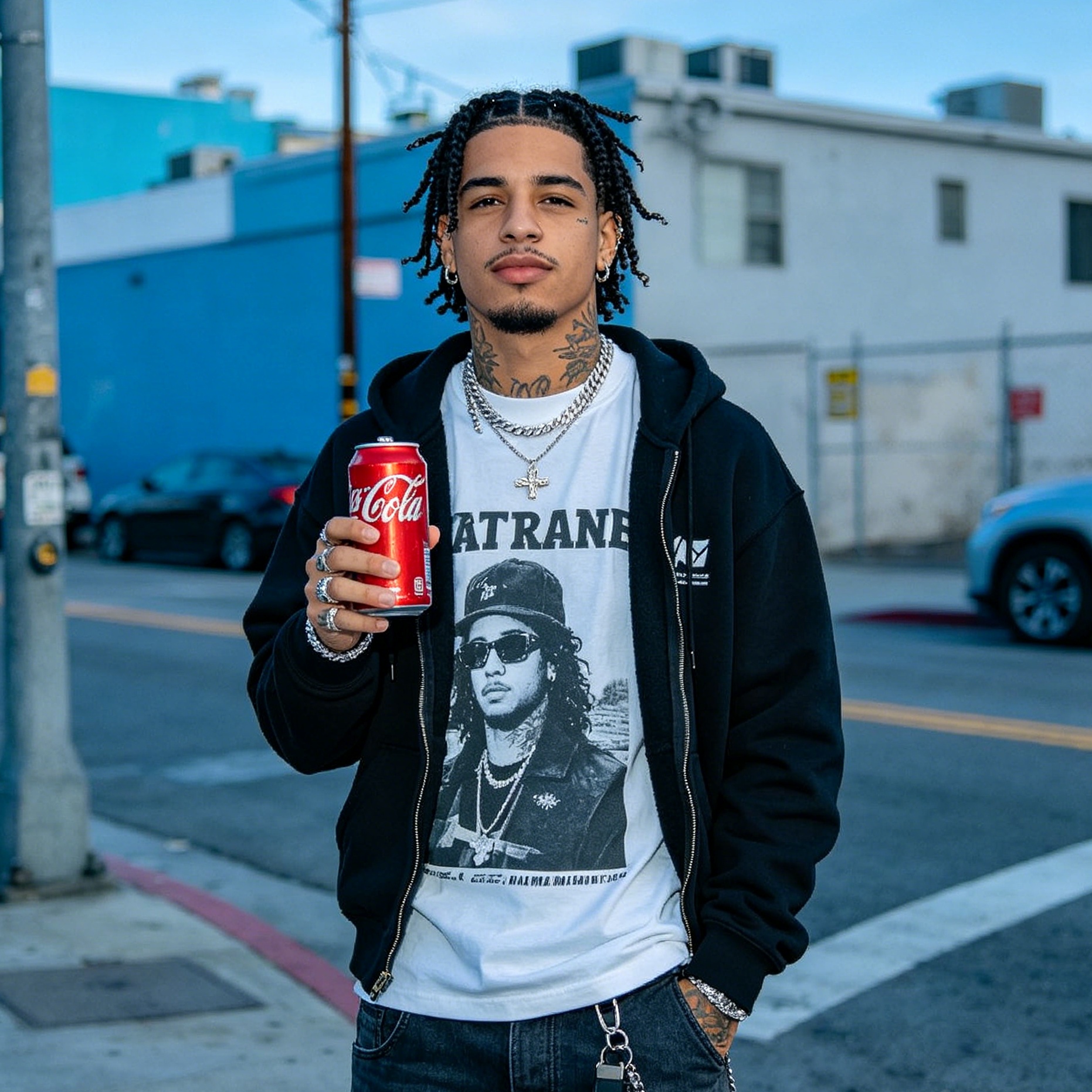
OpenDream AI Art has established itself as a prominent browser-based creative tool in the 2026 generative landscape. Unlike complex local installations of generative models, this platform prioritizes accessibility through a streamlined interface while maintaining high-quality output through specialized fine-tuned models. Understanding how to navigate its specific ecosystem—from model selection to advanced prompt weighting—is essential for any creator looking to produce professional-grade digital assets.
The Core Engines of OpenDream AI Art
The versatility of OpenDream AI Art stems from its four primary image generation models. Each is optimized for specific visual languages, and selecting the right foundation is the first step toward a successful creation.
Dreamlike Photoreal 2.0
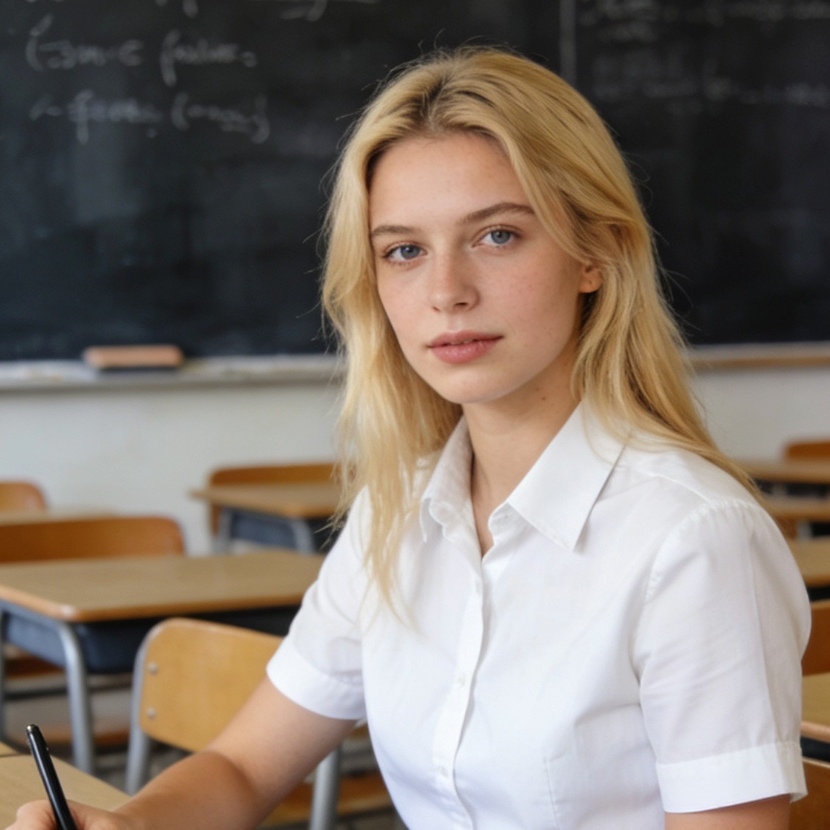
This model is the go-to choice for high-fidelity realism. It excels at simulating physical camera properties, such as depth of field, natural lighting, and skin textures. In 2026, it remains one of the most stable models for generating architecture, interior design concepts, and lifelike portraits without the "plastic" look common in earlier AI iterations.
Dreamlike Anime 1.0
Specialized in the Japanese animation aesthetic, this model captures the distinct linework, cel-shading, and vibrant color palettes of modern anime. It is particularly effective for character design and background art for visual novels. It understands stylistic nuances, allowing users to move between "90s retro anime" and "modern high-budget cinematic" styles with minimal prompt adjustments.
Stable Diffusion 2.1
As a more generalized model, Stable Diffusion 2.1 serves as the platform's workhorse. It is best used for abstract concepts, experimental art, or when you need a balanced output that doesn't lean too heavily into realism or stylized illustration. It offers the most flexibility for those who want to build their own aesthetic from scratch.
Deliberate
The Deliberate model is designed for creative freedom. It is less constrained by specific stylistic training, making it ideal for unique artistic expressions that blend different genres—such as cyberpunk oil paintings or surrealist 3D renders. It responds exceptionally well to complex lighting and composition prompts.
Advanced Prompting Tactics for OpenDream AI Art
Generating a basic image is simple, but mastering the underlying prompt mechanics is what separates hobbyist output from professional assets. OpenDream utilizes a specific token weight system that users must master.
The Importance of Word Order
In OpenDream's processing engine, words at the beginning of a prompt carry significantly more weight than those at the end. When building a scene, the "Art Medium" should almost always be the first token, followed by the primary subject. A prompt structured as Oil painting, a lonely lighthouse on a cliff will yield a much stronger painterly effect than A lonely lighthouse on a cliff, oil painting style.
Precise Weighting with Syntax
OpenDream allows for granular control over individual keywords using specific symbols. If the AI is ignoring a specific detail, you can amplify its focus:
- (Keyword): Increases the focus by a factor of 1.1.
- ((Keyword)): Increases focus by a factor of 1.21.
- (Keyword:1.5): A more direct way to increase focus by 1.5x.
- [Keyword]: Decreases the model's focus on the word by a factor of 1.1.
For example, if you are generating a character in a forest but the trees are overwhelming the character, you might use: (A detailed knight:1.4), standing in a [dense forest]. This forces the AI to prioritize the subject over the background density.
The 75-Word Boundary
It is a common mistake to write sprawling, multi-paragraph prompts. OpenDream AI Art works best within a limit of approximately 75 words. Beyond this threshold, the AI begins to lose track of early tokens, often leading to "prompt bleeding" where colors or attributes intended for one object start appearing on another.
Utilizing the Template and Style System
One of the platform's strongest features for efficiency is its curated template library. These are essentially "pre-baked" prompt environments that handle the heavy lifting of lighting, resolution settings, and negative prompts.
One-Click Aesthetics
Templates like "Angelic Art," "Cyberpunk City," or "Disney Princess 3D" include hidden parameters that ensure stylistic consistency. For a fast workflow, users can simply enter a subject—for example, "a cat"—into the "Mysterious Characters" template. The system automatically wraps that subject in professional lighting and composition settings without the user needing to type a 50-word description.
Custom Style Editor
For those who have found a specific visual formula that works, the Custom Style Editor allows for the creation of personal templates. This is particularly useful for maintaining a consistent brand identity across multiple generations. You can define a permanent "Positive Prompt" (e.g., 8k resolution, cinematic lighting, ultra-detailed) and a "Negative Prompt" (e.g., low quality, blurry, deformed hands) that apply to every image you generate in that session.
Technical Optimization: Resolution and Aspect Ratios
Technical settings in OpenDream AI Art directly impact the physical quality and anatomical correctness of the generated images.
Avoiding Artifacts and Duplication
AI models are traditionally trained on square datasets. When you move to extreme landscape or portrait aspect ratios, the model often attempts to fill the extra space by duplicating the subject, leading to the "two heads" or "multiple limbs" phenomenon.
To mitigate this, it is recommended to:
- Maintain a resolution of at least 512px on the shortest side.
- Use the following standard sizes for best results:
- Portrait: 576 x 768
- Landscape: 768 x 576
- Logo/Icon: 512 x 512
- Use negative prompts like
two faces, extra limbs, fused fingersto help the AI understand what to avoid in non-square formats.
Parameter Controls
While default settings are usually sufficient, adjusting the Guidance Scale can change the image's adherence to your prompt. A higher scale (10-15) forces the AI to follow your words strictly but can lead to over-saturated, "burnt" images. A lower scale (5-7) allows for more creative interpretation and smoother gradients.
Subscription Tiers and Resource Management in 2026
Operating as a credit-based system, OpenDream AI Art offers a tiered approach to accessibility. Understanding these limits is key to managing creative projects.
The Free Tier Experience
Free users receive daily credits, allowing for basic experimentation. However, access is limited to the two primary models: Dreamlike Photoreal 2.0 and Dreamlike Anime 1.0. High-demand features like parallel generation (creating multiple images at once) and the more advanced Stable Diffusion 2.1 models are typically reserved for paid tiers. Furthermore, free accounts are restricted from generating images with NSFW prompts and are limited to public generations.
Professional and Essential Plans
For users integrated into a daily creative workflow, the paid plans provide significant advantages:
- Essential Plan (~$9.90/mo): Ideal for social media creators who need a consistent supply of unique visuals. It increases the monthly credit quota and allows for private generation mode.
- Pro Plan (~$19.90/mo): Designed for professional illustrators and concept artists. It unlocks all four models, offers the fastest generation speeds, and supports larger simultaneous generation limits (up to 32 images at once).
- Commercial Usage Rights: While OpenDream generally allows commercial use of generated images, premium subscribers often get more streamlined legal protections and higher resolution export options suitable for print.
Creative Use Cases and Practical Applications
OpenDream AI Art is more than just a tool for generating pretty pictures; it has specific utility across various creative industries in 2026.
Character Design and World Building
For writers and game developers, the platform is an unparalleled prototyping tool. By using the "Character AI" capabilities, users can generate consistent avatars for their stories. The ability to upload an existing image and generate variations allows artists to take a rough sketch and see it rendered in multiple professional styles in seconds.
Logo and Iconography
Small business owners and app developers use the square 512x512 setting combined with the "Modern Logo Design" template to brainstorm branding concepts. While the AI may not always handle text perfectly, it provides the visual metaphors and color schemes that a human designer can then refine.
Social Media Content
In an era of rapid content consumption, the ability to generate unique TikTok backgrounds or Instagram story visuals that aren't stock photos is a major advantage. The "Dreamlike" models provide a high-end, polished look that helps content stand out in crowded feeds.
Limitations and Considerations
While powerful, OpenDream AI Art is not a universal solution. It is vital to recognize its boundaries:
- Marketing Specificity: It is an art generator, not an ad creator. It lacks built-in tools for adding specific marketing copy, call-to-action buttons, or social media ad templates. For performance-driven advertising assets, supplementary design tools are usually required.
- Fine Control: Compared to professional local environments like ComfyUI, OpenDream offers less granular control over the latent space and specific node-based workflows. It favors speed and ease of use over extreme technical customization.
- Human Anatomy: Like most generative AI in 2026, it can still struggle with complex hand positions or overlapping human figures in crowded scenes. High-quality results often require multiple iterations or "seed hunting."
Final Recommendations for Users
For those beginning their journey with OpenDream AI Art, the best approach is iterative. Start by using the pre-configured templates to understand the platform's "aesthetic bias." Once comfortable, begin experimenting with custom prompts using the [Art Medium] -> [Subject] -> [Details] -> [Lighting] structure.
As of 2026, the platform remains a top-tier choice for creators who value a friction-less experience. Whether you are generating a 3D Disney-style character or a photorealistic architectural render, the key lies in precise model selection and the strategic use of prompt weights. By staying within the recommended resolution limits and leveraging the power of negative prompts, users can consistently produce high-value visual content for both personal and professional projects.