Home
Home
Getting Into Your SMU Canvas Login Without the Hassle
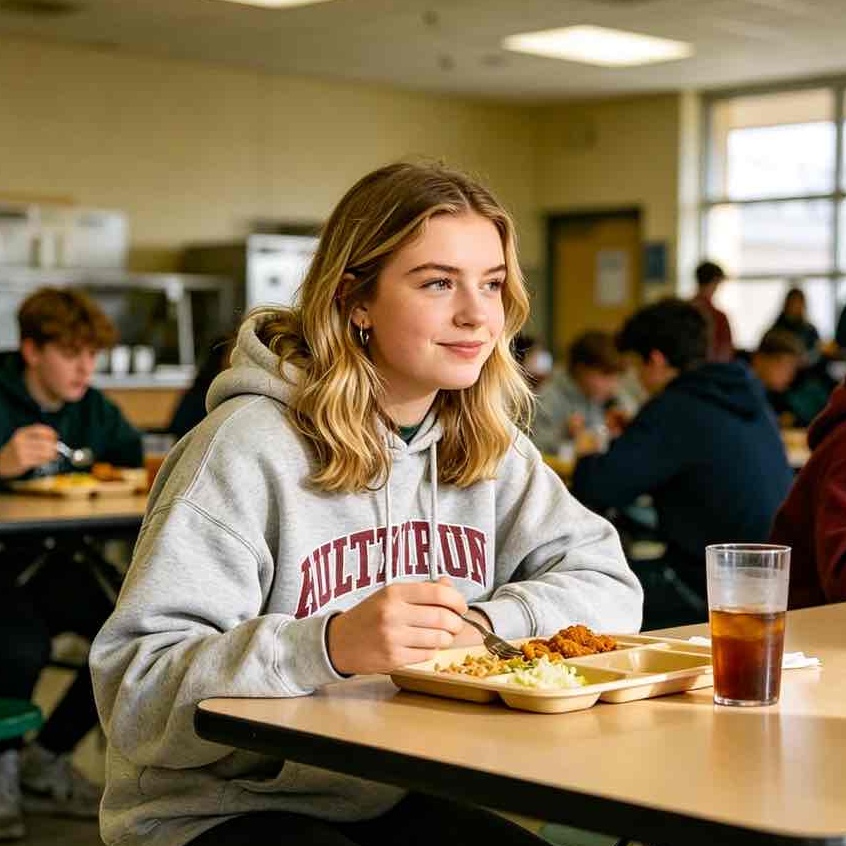
Accessing the digital classroom is the foundational step for any academic endeavor at Southern Methodist University. As the university’s primary learning management system (LMS), Canvas serves as the centralized hub where course materials, assignments, grades, and collaborative tools converge. Navigating the smu canvas login process effectively ensures that students and faculty remain synchronized with their academic responsibilities in an increasingly cloud-based educational landscape.
In 2026, the SMU digital ecosystem has become more integrated than ever. Whether you are a residential student on the main campus or a professional pursuing continuing education through CAPE, understanding the specific credentials and portals required for entry is essential. This discussion outlines the practical steps for securing access, resolving authentication hurdles, and optimizing the initial user experience upon entering the dashboard.
Understanding the Standard Authentication Gateway
For the vast majority of students, faculty, and staff at the university, the entry point to the academic portal is governed by a Single Sign-On (SSO) system. This system is designed to streamline access across multiple university services using a single set of credentials. The standard smu canvas login requires a verified SMU ID and a corresponding password. This SMU ID is the unique identifier assigned to every member of the university community upon enrollment or employment.
When reaching the primary login interface, the system typically prompts for these credentials. It is a common practice for the university to update security protocols periodically, which may involve password complexity requirements or scheduled resets. Maintaining an active and secure password is the first line of defense in protecting academic integrity and personal data. If the credentials are typed correctly but access is denied, it often points to an expired password or a synchronization issue within the university's identity management system.
Navigating the CAPE Canvas Login Specifics
The Continuing and Professional Education (CAPE) division at SMU operates with a slightly different set of requirements that often causes confusion for new or returning learners. Unlike traditional students, CAPE learners utilize what is now known as a CAPE ID. This identifier, formerly referred to as a NetID, is specifically generated for those enrolled in professional development or non-credit courses.
When an individual enrolls in a course that utilizes the Canvas platform under the CAPE umbrella, a notification is typically sent to their registered email address. This notification contains the CAPE ID, which often follows a specific format—typically consisting of the user's first and last initials followed by a randomized four-digit number. For example, a student named John Smith might have a CAPE ID such as JS1145.
It is important to note that the login page for CAPE is distinct from the main campus portal. Attempting to use a CAPE ID on the standard university login page will likely result in a failed authentication attempt. Users must ensure they are at the dedicated CAPE help center or the specific CAPE login gateway to successfully enter their courses. For those who established accounts prior to recent system updates, a transition process is often necessary to migrate old login information to the new CAPE ID format. This transition ensures that a single username can be used across both the student portal and the Canvas environment.
Multi-Factor Authentication and Security Protocols
By 2026, security standards for higher education institutions have evolved to mandate more than just a username and password. The smu canvas login process is almost universally protected by Multi-Factor Authentication (MFA). This layer of security requires users to verify their identity through a secondary device, typically a smartphone, after entering their primary credentials.
Most university systems utilize tools like Duo Security to facilitate this process. When you attempt to log in, a push notification is sent to a registered mobile device. Approving this push completes the authentication. While this adds a step to the login routine, it significantly reduces the risk of unauthorized access due to compromised passwords. If a student loses their mobile device or changes their phone number, they must contact the IT help desk immediately to update their MFA settings, as being locked out of the second factor effectively prevents access to all Canvas-related materials.
Configuring the Canvas Mobile Application
Flexibility in learning is supported by robust mobile capabilities. Both instructors and students can access their course sites through dedicated apps available on modern mobile platforms. However, the setup process for these apps requires a specific step that often trips up users during the smu canvas login sequence.
When you first open the Canvas Student or Canvas Teacher app, you are prompted to "Find my school." Searching simply for "SMU" might yield multiple results, or sometimes none if the naming convention is specific. For the general student body, searching for "Southern Methodist University" will bring up the correct server.
For CAPE students, the process is unique. Instead of searching for the university name, CAPE students are often instructed to type a specific keyword, such as "smulearnonline" (as one continuous word), to find the correct professional education server. Once the correct institution is selected, the app redirects to the familiar web-based login interface where SMU ID or CAPE ID credentials can be entered. The mobile app stores the session information, allowing for quicker access in future instances, though security policies may require a fresh login after a period of inactivity.
Troubleshooting Common Access Issues
Even with the correct credentials, technical obstacles can impede a smooth smu canvas login. Identifying the root cause of these issues allows for a faster resolution and less downtime during critical study periods.
Browser Compatibility and Cache Management
Modern LMS platforms are optimized for the latest versions of browsers like Chrome, Firefox, and Safari. If the login page fails to load, or if the "Sign In" button appears unresponsive, it is often due to an outdated browser or a conflict within the browser's stored data. Over time, cached files and cookies can become corrupted or outdated.
A practical first step in troubleshooting is to attempt the login in an "Incognito" or "Private" window. If the login works in this mode, it confirms that the primary browser's cache needs to be cleared. Clearing the cache and cookies for at least the past 24 hours is a standard recommendation to resolve persistent loading errors.
The "Course Not Found" Dilemma
A successful login does not always mean immediate access to course content. A common frustration for students is entering the dashboard only to find it empty. This is usually not a login error but a matter of course publication. Instructors have the discretion to publish their Canvas courses. If a course is not yet published, it will not appear under the "Courses" menu or on the dashboard. Typically, courses are published on or shortly before the first day of class. If the semester has begun and the course is still missing, it is advisable to verify enrollment status in the student portal before contacting the instructor.
Account Lockouts and Password Resets
Multiple unsuccessful login attempts may trigger a temporary account lockout for security reasons. If you have forgotten your password, it is better to use the university’s password reset tool rather than guessing repeatedly. The SMU OIT provides a self-service password reset portal where users can answer security questions or receive a reset link via a secondary email address. For CAPE students, the recovery tool allows for both password resets and CAPE ID recovery, ensuring that access can be restored even if the original enrollment email is lost.
Maximizing the Canvas Dashboard Experience
Once the smu canvas login is successful, the dashboard serves as the command center for the academic term. In 2026, the interface emphasizes a clean, user-friendly layout that prioritizes upcoming deadlines and recent activity.
Customizing the View
Users can customize their dashboard to better suit their workflow. This includes "pinning" favorite courses so they appear as tiles on the main screen and hiding courses from previous semesters. You can also color-code tiles or give them nicknames to make the interface more intuitive. This organization is reflected in the global navigation menu, which stays consistent regardless of which course you are currently viewing.
Notification Management
One of the most powerful features available after logging in is the notification system. Canvas allows users to decide how and when they receive updates about their courses. You can choose to be notified immediately via email or push notification for grade changes, new announcements, or due date reminders. Conversely, for less urgent updates like discussion post replies, you might opt for a daily or weekly digest. Setting these preferences early in the semester prevents information overload while ensuring that critical updates are never missed.
Support Channels and Resources
When technical difficulties exceed simple troubleshooting, several support layers are available to the SMU community. Understanding who to contact can save significant time.
The IT Help Desk
For issues related to the SMU ID, password resets, and overall account synchronization, the central IT Help Desk is the primary resource. They handle the underlying infrastructure that powers the smu canvas login. Their support is typically available via phone or email during standard business hours, with some extended hours during the start of the semester.
24/7/365 Tier 1 Support
SMU has established a partnership with Instructure (the company behind Canvas) to provide around-the-clock support for students and faculty. This "Tier 1 Support" is accessible directly through the "Help" icon located in the lower-left corner of the Canvas interface after logging in. This service is particularly valuable for residential students and those in online communities who may be working outside of traditional business hours. Users can choose between live chat or phone support to resolve "how-to" questions or report system glitches.
Academic Technology Service Directors
For faculty members, the support extends to pedagogical and structural assistance. Each school within the university has an Academic Technology Service Director who can provide one-on-one training, help with course templates, and offer guidance on integrating advanced tools within the Canvas environment. This ensures that the platform is not just a repository for files but a dynamic teaching tool.
Looking Ahead: The Future of Learning Management at SMU
As we move through 2026, the role of the LMS continues to expand. The smu canvas login is no longer just about checking a syllabus; it is about entering a collaborative space where AI-driven analytics help students track their own progress and identify areas for improvement. Faculty are increasingly using analytics to measure learning outcomes and provide more personalized feedback.
The transition to more secure, cloud-based systems like Canvas has allowed SMU to maintain a resilient academic environment, capable of supporting hybrid and fully online models with the same level of rigor as traditional classroom settings. By mastering the login process and understanding the resources available, every member of the SMU community can fully leverage the digital tools provided to achieve academic excellence.
In conclusion, while the technology behind the smu canvas login is complex, the path for the user is clearly defined. By distinguishing between the standard SMU ID and the CAPE ID, maintaining active MFA devices, and knowing where to turn for technical support, students and faculty can minimize administrative friction and focus on the primary goal: teaching and learning. Regularly checking the dashboard, managing notifications, and keeping browsers updated are simple yet effective habits that lead to a seamless digital experience at Southern Methodist University.