Home
Home
Getting the Perfect Waves Hairstyle for Every Hair Type
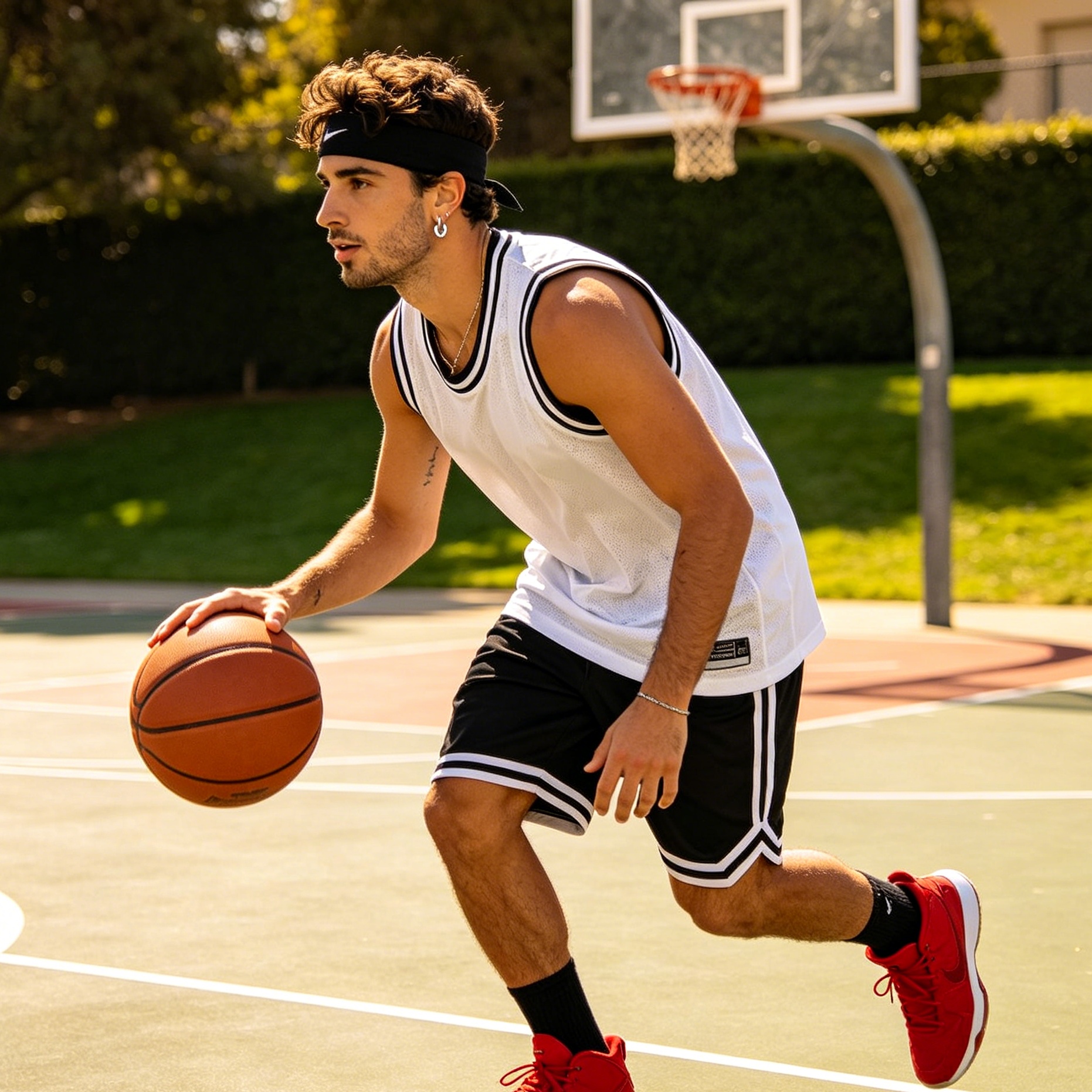
Waves hairstyle remains a pinnacle of hair grooming, blending natural texture with intentional geometry. Whether the goal is the ripple-like 360 waves common in coily hair or the effortless, wind-swept beach waves on longer tresses, achieving this look requires an understanding of hair elasticity, moisture retention, and mechanical training. As we navigate the trends of 2026, the focus has shifted from heavy, wax-based styling to scalp-centric health and lightweight, high-performance polymers that allow the hair to move naturally while maintaining its pattern.
The Mechanics of Texture and Pattern Training
A waves hairstyle is essentially the manipulation of the hair's natural curl pattern. For those with Type 3 or Type 4 hair (curly to coily), the objective is to flatten the curl so that it lays in a repetitive, rhythmic sequence. For those with Type 1 or Type 2 hair (straight to wavy), the goal is to introduce an 'S' shape that mimics the movement of water. Both require a fundamental shift in how one approaches daily maintenance.
The success of any wave pattern depends on the hair's cuticle health. When cuticles lay flat, they reflect light, creating the "sheen" that makes a waves hairstyle stand out. Over-processing or excessive heat can lift these cuticles, leading to frizz and a loss of definition. Therefore, the foundation of every wave routine must be a balanced pH environment, ideally between 4.5 and 5.5, which keeps the hair fiber resilient and responsive to training.
Perfecting 360 Waves for Coily Hair Textures
For coarse and curly textures, the 360 waves hairstyle is a labor of consistency. It is not a style that is simply "cut"; it is grown and trained. The process relies on the principle of compression and directional brushing.
The Role of Directional Brushing
Brushing is the most critical component of wave development. For a full 360-degree effect, the hair must be brushed from the crown outward in a consistent pattern. The crown is the epicenter; any deviation in brushing angle will result in "forks" or breaks in the wave sequence.
Medium-bristle brushes are generally recommended for the development phase, as they reach the lower layers of the hair to train the roots. As the hair grows longer—a process known in the community as "wolfing"—a harder bristle becomes necessary to penetrate the bulk. Conversely, a soft-brush finish is used to lay down flyaways and distribute natural sebum across the surface.
Compression and Durag Technology
In 2026, the materials used for compression have evolved beyond simple polyester. Modern wave caps and durags utilize breathable, silk-protein-infused fabrics that provide the necessary pressure to flatten the curls while ensuring that moisture is not wicked away from the scalp. Compression should be applied immediately after moisturizing and brushing. This "locks" the hair in its flattened state, allowing the follicles to set in the desired direction during sleep or throughout the day.
The Wolfing Strategy
Wolfing is the practice of abstaining from a haircut for extended periods, typically four to ten weeks, while continuing the brushing and compression routine. This technique forces the hair at the root to lay flat under the weight and pressure of the longer hair above it. When the hair is eventually cut back down to a shorter length, the waves appear much deeper and more defined. However, wolfing requires a high-quality moisturizing regimen to prevent the hair from becoming unmanageable and losing its pattern at the base.
Creating Waves for Straight and Wavy Hair Types
For individuals with longer, straighter hair, the waves hairstyle is achieved through different mechanical and thermal means. The emphasis here is on volume, movement, and the "lived-in" aesthetic.
The Modern Beach Wave
The 2026 iteration of beach waves moves away from the crunchy, salt-heavy sprays of the past. Instead, the focus is on sugar-based texturizers and mineral mists that provide grip without dehydration. To achieve this, many professional stylists suggest the "braid-and-press" method. Braiding damp hair and allowing it to air-dry—or lightly pressing the braids with a flat iron—creates a uniform wave that looks more natural than traditional curling iron loops.
Hollywood Waves and Red-Carpet Sophistication
Sleek, polished waves, often associated with classic cinema, require a structured approach. This style is built on a foundation of a deep side part and consistent curl direction. After curling sections of the hair in the same direction, they are pinned to cool. Once the temperature has dropped, the hair is brushed through with a natural bristle brush. This transforms individual ringlets into a singular, cohesive wave formation. A light-reflecting serum is then applied to emphasize the peaks and valleys of the style.
Heatless Wave Alternatives
Given the increasing awareness of heat damage, heatless wave kits have become a staple. These often involve satin-wrapped foam rods around which the hair is wrapped overnight. This method utilizes the hair's transition from damp to dry to set the wave pattern. It is a gentler alternative that preserves the hair's internal protein structure, resulting in waves that are softer and less prone to breakage.
The Essential Role of Haircuts in Wave Definition
A waves hairstyle is only as good as the haircut that supports it. The geometry of the cut determines how the waves will sit and how much volume they will possess.
Taper Fades and Edge-Ups
For 360 waves, a low or mid-taper fade is often the preferred accompaniment. This keeps the focus on the wave pattern on top while providing a clean, modern aesthetic around the ears and nape. The "edge-up" or lineup is equally important; a sharp, straight hairline provides a frame that makes the internal wave texture pop. It is generally advised to avoid cutting the hair too short (below a 1.5 or 2 guard) if the wave pattern is not yet fully established, as this can "cut out" the progress made during training.
Layers and Lob Cuts
For longer wavy hair, blunt cuts can often lead to a "triangle" shape, where the volume is concentrated at the bottom. Internal layering is the solution. By removing weight from the mid-lengths, the waves are allowed to spring upward, creating a more balanced distribution of texture. The "Lob" (long bob) remains a popular choice for 2026, as its length provides enough weight to keep waves from becoming too frizzy while being short enough to maintain easily.
Advanced Product Science for Wave Maintenance
The chemistry of hair products has advanced significantly, moving toward bio-mimetic ingredients that strengthen the hair from within.
Pomades vs. Creams
Traditionally, the waves hairstyle for coily hair relied on heavy petroleum-based pomades. Modern preferences have shifted toward water-based creams and natural butters like shea and mango. These products provide the "hold" necessary for compression without clogging pores or causing buildup. For those with high-porosity hair, a heavier butter may be necessary to seal in moisture, while low-porosity hair benefits from lighter, milk-based leave-ins that can actually penetrate the hair shaft.
The Importance of Scalp Health
A common mistake in wave maintenance is neglecting the scalp. Constant brushing and compression can lead to irritation or dandruff if not managed correctly. Using a clarifying shampoo once every two weeks is recommended to remove product residue. Additionally, scalp oils containing rosemary or peppermint can stimulate blood flow to the follicles, encouraging healthy growth and a stronger wave foundation. In 2026, we see a rise in "pre-shampoo" treatments specifically designed for wavers to loosen debris before the washing process begins.
Heat Protection and Finishers
For those using thermal tools to create waves, heat protectants are non-negotiable. Modern formulations offer protection up to 450°F (230°C) while incorporating hold polymers. Once the waves are set, a finishing spray—not a traditional hairspray, but a flexible-hold mist—ensures the style lasts throughout the day without becoming stiff or "plastic" in appearance.
Environmental Factors and Wave Longevity
External conditions such as humidity and UV exposure can drastically affect the stability of a waves hairstyle. Humidity, in particular, introduces excess moisture into the hair shaft, causing it to swell and return to its natural, uncompressed state.
Humidity-Resistant Technology
Anti-humidity sprays that utilize hydrophobic (water-repelling) technology are essential for maintaining waves in tropical or summer climates. These products create an invisible shield around each strand, preventing atmospheric moisture from disrupting the wave pattern. For 360 waves, wearing a durag during high-humidity outdoor activities can provide an extra layer of mechanical protection.
UV Protection for Hair Color and Texture
Sun exposure can degrade the keratin in hair, making it brittle and less capable of holding a wave. Many contemporary wave pomades and mists now include UV filters. This is especially important for individuals with color-treated hair, as UV rays can lead to oxidation, changing the hue of the hair and making the waves look dull rather than vibrant.
Troubleshooting Common Wave Issues
Even with a diligent routine, challenges such as "forks," thinning, or lack of definition can arise. Addressing these requires a strategic adjustment to the daily regimen.
Eliminating Forks
Forks occur when the hair is brushed in inconsistent directions. To fix them, one must identify the area where the pattern breaks and dedicate focused brushing sessions to that specific spot, ensuring the angle aligns perfectly with the surrounding waves. Using a mirror to see the back of the head is vital; blind brushing is the primary cause of pattern disruption.
Dealing with Over-Chinking and Dryness
If the hair feels crunchy or stiff, it is likely a sign of product buildup or a lack of deep conditioning. Switching to a "wash and style" routine—where the hair is brushed into waves while full of shampoo and then rinsed while wearing a durag—can help reset the texture. This method uses the water and soap to help realign the fibers without the need for heavy styling agents.
Managing the Crown
The crown is often the most difficult part of the waves hairstyle to develop. It requires a smaller, soft-bristle brush and precise, circular movements. Many people find that applying a slightly higher concentration of moisturizer to the crown helps in training the stubborn hair at the swirl point.
The Future of Waves: Minimalist Routines and Natural Textures
As we look further into the year, the trend is moving toward "effortless" waves. This doesn't mean a lack of effort, but rather a focus on making the waves look as if they are the hair's natural state. This involves using fewer products but of higher quality. The "clean beauty" movement has heavily influenced wave care, with consumers demanding transparency in ingredients—avoiding sulfates, parabens, and silicones that provide temporary shine but long-term damage.
Furthermore, the integration of smart technology into hair care is beginning to emerge. Scalp scanners and AI-driven routine builders can now analyze hair density and porosity to suggest the exact brushing duration and product types needed for an individual’s specific wave goals. This data-driven approach takes the guesswork out of the process, making the waves hairstyle more accessible to a global audience.
Conclusion: Consistency Over Intensity
Achieving a professional-grade waves hairstyle is a marathon, not a sprint. Whether you are training coily hair into 360 ripples or using a waver iron for a textured lob, the key is the health of the hair fiber. By prioritizing moisture, using the correct tools for your specific hair type, and maintaining a regular schedule of maintenance, the resulting waves will be deep, defined, and healthy. In the world of hair aesthetics, the wave pattern remains a timeless choice, representing a perfect harmony between human grooming and natural beauty.
-
Topic: Waves (hairstyle) - Wikipediahttps://en.m.wikipedia.org/wiki/Waves_(hairstyle)#:~:text=The%20hairstyle%20is%20achieved%20with,hair%20from%20getting%20too%20dry.
-
Topic: 30 Wavy Haircuts That Enhance Your Natural Texturehttps://www.instyle.com/wavy-haircut-7966698
-
Topic: How to Create Flawless Waves | CLOUD NINE – Cloud Ninehttps://www.cloudninehair.com/blogs/hair/how-to-create-waves