Home
Home
How AI Photo Editors Are Redefining Modern Image Editing Workflows
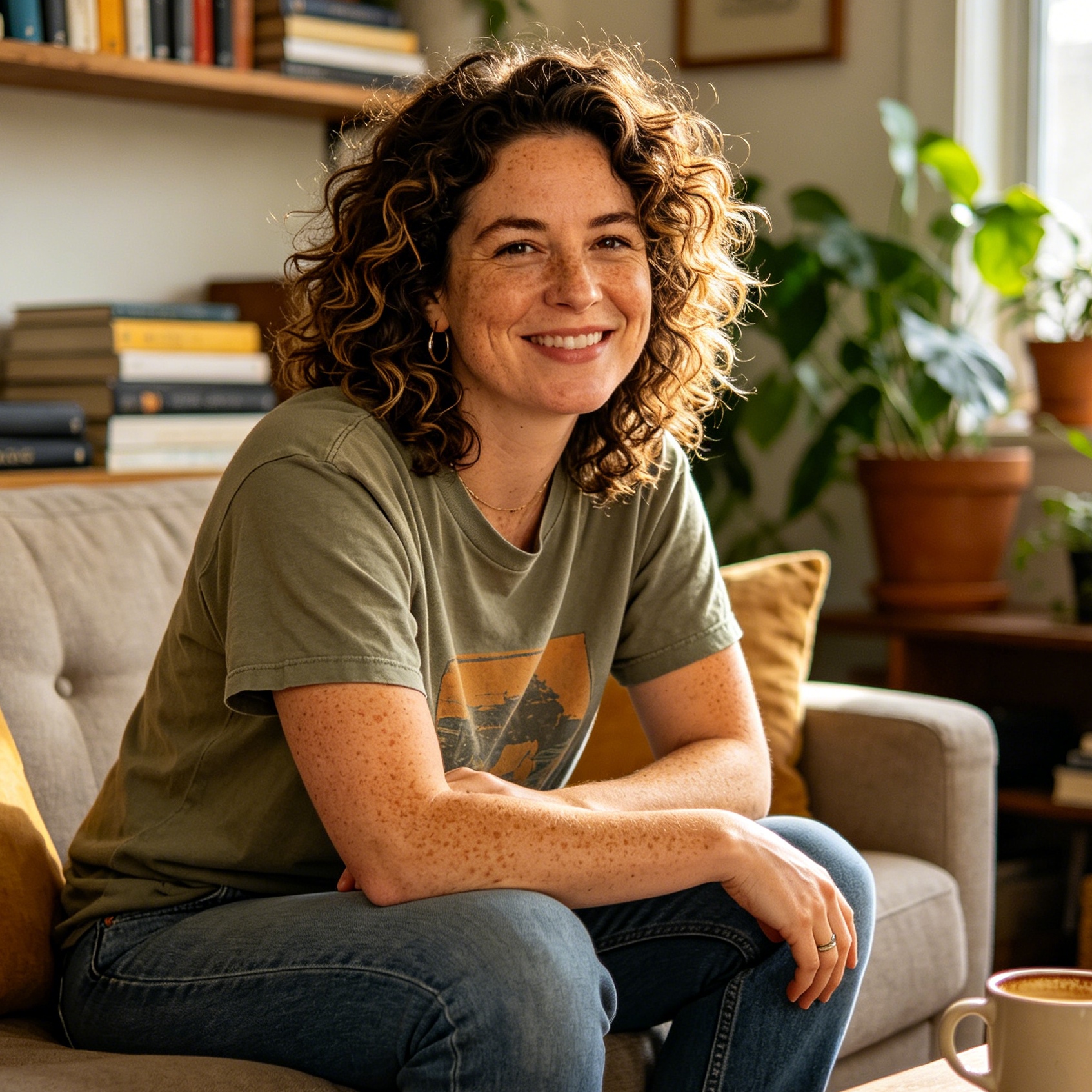
An AI photo editor is a sophisticated software application that leverages machine learning and computer vision to analyze, modify, and enhance digital images automatically. Unlike traditional editing software that relies on manual adjustments of sliders, brushes, and layers, these tools interpret visual data and user instructions—often provided via natural language prompts—to execute complex creative tasks in seconds. By merging human intent with generative algorithms, AI photo editors have transitioned from simple filter applications to powerful co-creation engines capable of generating entirely new pixels that blend seamlessly with existing photography.
What Is an AI Photo Editor and How Does It Actually Work?
To understand the impact of these tools, one must look beneath the interface. Modern AI photo editing is built on a foundation of three primary technologies that work in tandem to simulate human visual intelligence and artistic execution.
Computer Vision: The "Eyes" of the Editor
Computer vision allows the software to "see" and categorize the contents of an image. When you upload a portrait, the AI instantly recognizes the subject, identifies the boundaries of the hair, distinguishes the foreground from the background, and even detects specific facial features or clothing textures. This semantic understanding is what enables "one-click" selections that used to take professional retouchers minutes or even hours of meticulous masking.
Generative AI and Diffusion Models
While traditional editors move existing pixels around, generative AI creates new ones. Most high-end AI editors today utilize diffusion models. These models are trained on billions of image-text pairs, learning how to reconstruct an image from Gaussian noise based on a specific prompt. When you use a "Generative Fill" feature to add a vintage suitcase to a scene, the AI isn't just pasting a stock photo; it is calculating the light direction, shadows, and perspective of your specific image to generate a suitcase that looks like it was always there.
Deep Learning and Pattern Recognition
Deep learning models have been fed millions of high-quality professional photographs. Through this training, they have "learned" the aesthetic standards of professional lighting, skin retouching, and color grading. This allows the AI to make subjective improvements—such as "make this photo look more cinematic"—by applying patterns it has identified from successful cinematic imagery.
The Core Capabilities Shifting the Creative Paradigm
In our daily production workflows, we have observed a dramatic shift in how time is allocated. The "mundane" tasks are being offloaded to the AI, allowing creators to focus on conceptual direction.
Generative Fill and Object Removal
The ability to "inpainting" or "outpainting" is perhaps the most transformative feature. Traditional "Content-Aware Fill" often left blurry smudges or repetitive patterns. In contrast, modern AI object removal uses context-aware generation to fill the gap left by a deleted object. For example, removing a power line from a complex sunset sky now results in a perfectly reconstructed gradient, complete with cloud wisps that follow the natural flow of the atmosphere.
Intelligent Background Manipulation
Background removal has reached a level of precision where even "flyaway" hairs or translucent fabrics are handled with high fidelity. Beyond simple removal, "Scene Generation" allows users to place a product shot taken in a home office into a high-end luxury marble kitchen without ever leaving their desk. The AI automatically adjusts the reflections and global illumination on the product to match the new environment.
Professional Portrait Retouching
AI retouching has moved past the "plastic skin" look of early beauty filters. Modern tools offer frequency separation-style results automatically. They can smooth skin while preserving natural pores, brighten eyes without making them look radioactive, and even adjust facial expressions or the direction of a subject's gaze. In a high-volume headshot workflow, this can reduce post-processing time by over 80%.
Image Upscaling and Restoration
The "Enhance" feature in AI editors is not just increasing resolution; it is "hallucinating" lost detail. By using super-resolution algorithms, these editors can take a blurry, low-res 800-pixel image and upscale it to 4K while sharpening edges and adding texture that wasn't visible in the original file. This is particularly valuable for archival restoration or rescuing shots taken in poor lighting conditions.
A Comparative Review of the Best AI Photo Editors in 2025
Choosing the right tool depends on your specific needs, whether you are a professional photographer, an e-commerce entrepreneur, or a social media manager.
Adobe Firefly: The Professional Gold Standard
Adobe has integrated its Firefly AI directly into Photoshop and Lightroom. In our testing, the "Generative Match" feature stands out, allowing us to upload a reference image and have the AI apply the same color palette and lighting style to our current project.
- Best for: Professional designers, photographers, and commercial projects requiring high-resolution output and layer-based control.
- Key Advantage: Commercial safety. Adobe trains its models on licensed and public domain content, reducing legal risks for enterprise users.
Fotor: The All-in-One Creative Hub
Fotor has evolved into a powerhouse for web-based editing. It offers over 30 specialized AI tools in a single interface. One of its most impressive features is the "Batch AI Editor," which can apply skin retouching or background removal to 50 images simultaneously.
- Best for: Small business owners and e-commerce sellers who need consistent, high-speed output for product listings.
- Key Advantage: Accessibility. It offers professional-grade results without the steep learning curve of Photoshop.
CapCut: The Social Media Powerhouse
While primarily known for video, CapCut’s photo editing suite is highly optimized for viral aesthetics. Its "AI Stylize" tool can transform a standard photo into an oil painting, an anime frame, or a 3D render with remarkable consistency.
- Best for: Content creators and influencers who need "scroll-stopping" visuals quickly.
- Key Advantage: Seamless integration between photo and video assets, featuring trendy filters that are updated weekly.
Canva: Design Integration
Canva’s "Magic Studio" brings AI editing to the masses. Its "Magic Edit" tool allows users to describe a change—like "change this t-shirt to a red silk blouse"—and see the results in real-time.
- Best for: Marketers and non-designers who need to create posters, social posts, and presentations.
- Key Advantage: The massive library of templates and the ability to instantly turn an edited photo into a finished design.
Practical Applications Across Industries
The implementation of AI photo editors is no longer a luxury; it is a competitive necessity in several key sectors.
E-commerce and Product Photography
In the world of online retail, consistency is king. AI editors allow brands to take a single product photo and generate multiple lifestyle shots. Instead of hiring a model and renting a studio for every new clothing line, companies use "AI Models" to "wear" their digital garments. In our analysis, this reduces the "time-to-market" for new collections from weeks to days.
Real Estate Marketing
A common challenge in real estate is a "gloomy sky" on the day of a shoot. AI editors can perform sky replacements that are so convincing they include the correct blue-tinted reflections on windows and water surfaces. "Virtual Staging"—adding furniture to an empty room via AI—is also significantly cheaper and faster than traditional 3D rendering or physical staging.
Social Media and Personal Branding
For the individual creator, AI editors act as a 24/7 assistant. "AI Headshot" generators can turn a casual selfie into a professional LinkedIn portrait by changing the background, adjusting the lighting to a "studio" setting, and even swapping a t-shirt for a blazer.
Navigating the Limitations and Ethical Landscape of Generative Editing
Despite the undeniable power of these tools, they are not without their flaws and controversies.
Technical Artifacts
AI still struggles with "logical" details. You might find a generated hand with six fingers, or a background that looks perfect at a distance but reveals strange, swirling "hallucinations" upon closer inspection. High-stakes commercial work still requires a human eye to vet every pixel for these artifacts.
The Question of Authenticity
As AI photo editors become more capable, the line between photography and digital art blurs. This has sparked intense debate in photojournalism and documentary photography. Many platforms are now implementing "Content Credentials" (a digital nutrition label for images) to indicate if and how much AI was used in the editing process.
Ownership and Copyright
The legal landscape is still catching up. Who owns an image that was 20% captured by a camera and 80% generated by an AI prompt? While some platforms like Adobe offer indemnification for their users, the industry as a whole is still navigating the complexities of intellectual property in the age of generative models.
Conclusion: The Future of Creativity in the Machine Age
AI photo editors are not replacing the photographer; they are expanding the definition of what is possible. They have democratized high-end editing, making professional results accessible to anyone with an internet connection and an idea. By removing the technical barriers of manual masking and complex retouching, these tools have returned the focus to the most important part of any image: the story it tells and the vision of the person behind the prompt.
As we move forward into 2025 and beyond, we can expect even deeper integration of AI. We are moving toward a "conversational" editing era where the interface disappears, and we simply describe our creative vision to a machine that understands light, shadow, and emotion as well as we do.
Frequently Asked Questions About AI Photo Editing
What is the best AI photo editor for beginners?
Canva and Fotor are generally considered the best for beginners. They provide intuitive interfaces and "one-click" solutions that don't require knowledge of layers or complex editing terminology.
Can AI photo editors fix blurry photos?
Yes, many AI editors include "Image Enhancer" or "Upscaler" tools. These tools use deep learning to sharpen edges and reconstruct missing details, often making a blurry photo look significantly clearer.
Is AI photo editing commercially safe?
It depends on the tool. Professional platforms like Adobe Firefly are specifically designed to be commercially safe because they are trained on licensed images. However, you should always check the terms of service for any AI tool before using the output for paid or commercial projects.
Do I need a powerful computer to run an AI photo editor?
Not necessarily. Many of the most popular AI editors, like Fotor and Canva, are cloud-based. This means the heavy processing happens on their servers, and you can use them on a standard laptop or even a mobile device as long as you have an internet connection.
What is the difference between "Generative Fill" and "Content-Aware Fill"?
Content-Aware Fill looks at the existing pixels in your image and tries to "average" them to fill a hole. Generative Fill uses a massive AI model to understand what should be in that hole based on your prompt and the context of the scene, allowing it to create entirely new, realistic objects.
-
Topic: AI Photo Editor | Edit photos online | Adobe Fireflyhttps://www.adobe.com/ca/products/firefly/features/ai-photo-editor.html
-
Topic: AI Photo Editor - Free Online Automatic AI Photo Editing | Fotorhttps://www.fotor.com/ai-photo-editor/?ref=thinkml.ai
-
Topic: 5 Best AI Photo Editors to Redefine Your Visuals in 2025https://www.capcut.com/resource/best-ai-photo-editors