Home
Home
How Lardini Became the Gold Standard for Modern Italian Tailoring
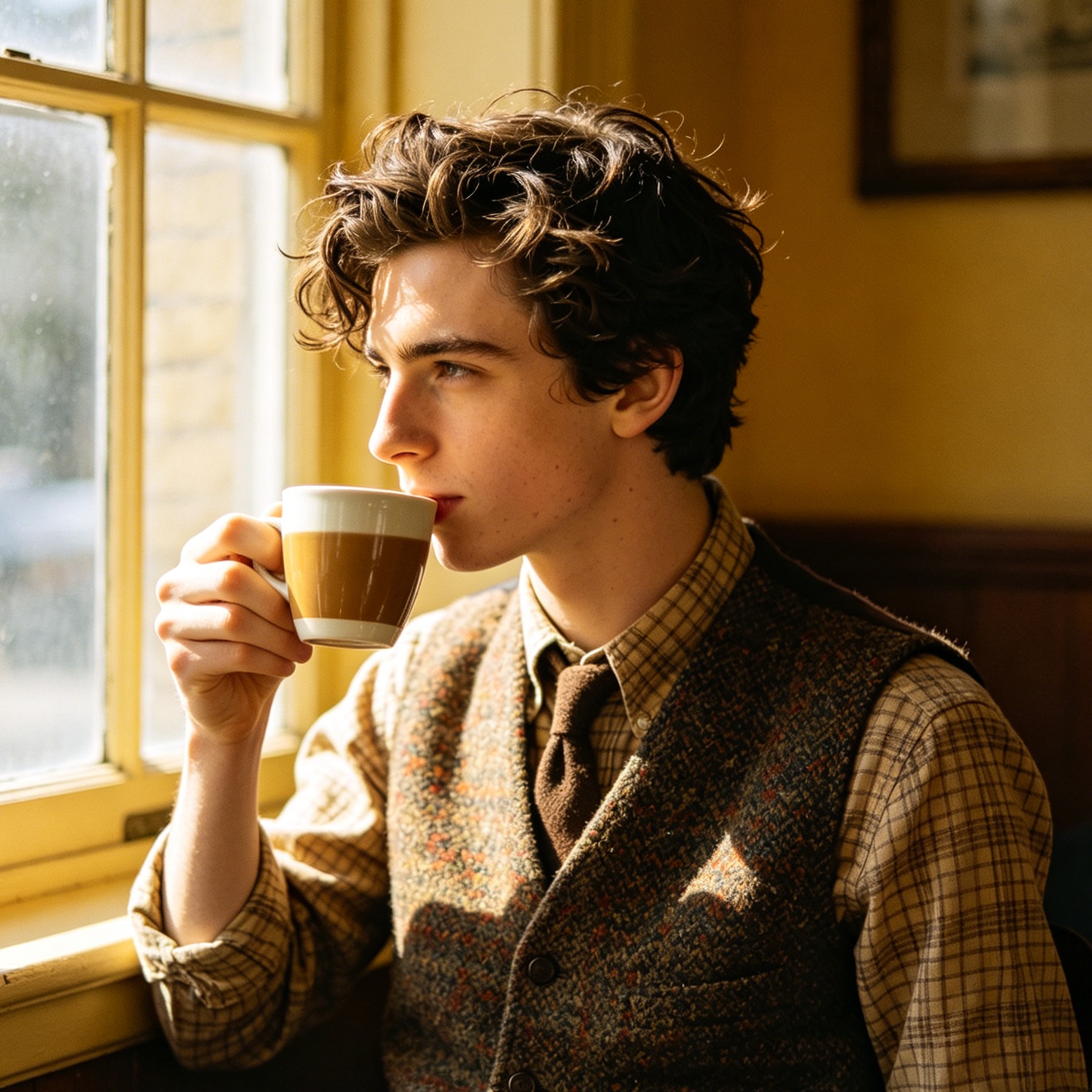
In the rolling hills of the Marche region in Italy lies Filottrano, a medieval town that might seem quiet to the untrained eye. However, for those within the upper echelons of the menswear world, this is the heartbeat of Lardini, a manufacturer that has redefined what it means to wear a tailored jacket in the 21st century. While many luxury houses rely on heavy marketing, this brand has built its empire on the silent precision of a needle and the unmistakable charm of a small wool flower pinned to a lapel.
The Silent Architect Behind Luxury Fashion
The story of Lardini is a classic narrative of Italian excellence, though it began far from the spotlight. Established in 1978, the company initially functioned as a high-end production house. For decades, it was the secret weapon for some of the world’s most recognizable luxury labels, including Versace, Valentino, Burberry, and Dolce & Gabbana. This period of "white label" manufacturing was crucial. It allowed the workshop in Filottrano to master diverse cutting techniques and handle the world's most delicate fabrics long before their own name appeared on a storefront.
It wasn't until the 1990s that the house transitioned into a standalone brand. This shift changed the landscape of Italian tailoring. By combining the rigorous standards required by high-fashion houses with their own philosophy of "elegance and sobriety," they created a aesthetic that feels both rooted in tradition and completely modern.
The Iconography of the Lapel Flower
One cannot discuss Lardini without addressing the signature lapel flower. While it might appear to be a simple accessory, it is a potent symbol of identity. The flower, often constructed from wool or felt, serves as a "seal of quality." It represents a specific type of nonchalance—what Italians call sprezzatura—suggesting that while the suit is perfectly crafted, the wearer doesn't take themselves too seriously.
In the current 2025/26 collections, this flower has evolved. You will see versions in gold, silver, and even box sets of varied colors, allowing the wearer to customize their look. It is a subtle nod to other enthusiasts, a secret handshake in the world of sartorial style that says the garment was made in the specialized ateliers of Filottrano.
The 200-Step Craftsmanship Process
What differentiates a standard suit from a Lardini garment is the labor-intensive process occurring behind the scenes. Every jacket undergoes approximately 200 distinct stages of production. This is not mere assembly; it is a meticulous transformation of raw fabric into a three-dimensional sculpture for the body.
Key elements of this process include:
- Fabric Pre-treatment: Before a single cut is made, fabrics are treated to ensure they respond correctly to humidity and temperature, preventing the garment from losing its shape over time.
- The Internal Structure: Unlike mass-produced fused jackets, high-end tailoring often utilizes a canvas construction. This allows the jacket to breathe and mold to the wearer's body, becoming more comfortable with every wear.
- Multiple Pressing Phases: Pressing happens throughout the construction, not just at the end. This "shapes" the wool, creating the soft roll of the lapel and the clean drape of the chest.
- Hand-Finishing: Details like the boutonnière and specific structural points are finished by hand, providing a level of soul that machines cannot replicate.
Decoding Lardini Sizing: The Italian Fit Guide
One of the most common hurdles for new collectors is navigating the sizing. Because the brand adheres to traditional Italian tailoring standards, the fit tends to be leaner and more tapered than American or British counterparts.
The Drop System Lardini typically uses a "Drop 7" or "Drop 8" silhouette. In tailoring terms, the "drop" is the difference between the jacket size and the trouser waist. A Drop 8 indicates a very slim, athletic cut with narrow shoulders and a suppressed waist. If you have a broader chest or prefer a bit of room for movement, the general suggestion is to consider sizing up by one full Italian size (e.g., from a 48 to a 50).
Category Specifics
- Unstructured Blazers: These are often unlined and have soft shoulders. They are more forgiving and can often be worn in your true size for a modern, "second-skin" feel.
- Outerwear and Coats: Double-breasted coats and overcoats from the recent collections are designed with layering in mind. While they follow classic proportions, if you plan to wear heavy knitwear underneath, choosing a size up may provide better comfort in the armholes.
- Trousers: Often featuring a mid-to-high rise, the trousers are typically narrow through the leg. Most come unhemmed, allowing for a precise custom length and the addition of a cuff if desired.
Evolution in Style: The 2025/26 "A Dream Supreme" Era
The current direction of the brand, particularly the FW 25/26 season, reflects a move toward tactile luxury. The collection, titled "A Dream Supreme," focuses on tonal depth and texture. We see a significant presence of cream single-breasted jackets in wool-cotton blends, beige drill fabrics, and luxurious silk t-shirts.
There is also a notable Japanese influence in the recent design language. Having collaborated with figures like Nick Wooster and brands like White Mountaineering in the past, the house has integrated a sense of functional minimalism. This results in garments that look like classic Italian tailoring but perform with the ease of contemporary sportswear.
Sustainability and the Future of Fabric
Innovation at Filottrano isn't limited to aesthetics; it extends to the very fibers used. The introduction of the 'Rex-clusive' fabric line highlights a commitment to modern responsibility. By utilizing yarns obtained from recycled plastic bottles and blending them with luxury fibers, the brand proves that high-end tailoring can coexist with environmental consciousness.
Furthermore, the use of Ecovero—a sustainable viscose—in trousers and field jackets for the latest season shows a move toward lighter, more breathable garments that don't sacrifice the structured look of traditional wool.
How to Build a Lardini Wardrobe
If you are looking to invest in the brand, certain pieces offer more versatility and long-term value than others. Starting with the core essentials is often the most strategic approach.
1. The Navy or Grey Unstructured Blazer This is the quintessential item. It bridges the gap between a formal suit jacket and a casual cardigan. Because it lacks heavy internal padding, it packs easily for travel and can be paired with denim, chinos, or matching wool trousers.
2. The Knitted Polo Lardini has mastered the art of the luxury knit. Their cotton-silk blend polos offer a sophisticated alternative to a standard button-down shirt. Under a blazer, they provide a clean, streamlined look that is perfect for the "smart-casual" environments that dominate modern professional life.
3. The Double-Breasted Overcoat In heavier wool or cashmere blends, a Lardini coat is a lifetime investment. The house's ability to balance the volume of a double-breasted cut with a flattering, slim silhouette is virtually unmatched. Look for classic tones like camel, navy, or the signature charcoal grey.
4. The Linen Suit For warmer climates, their linen and silk-linen blends are legendary. They manage to capture the relaxed essence of summer while maintaining enough structure to be worn at a wedding or a formal garden event.
The Verdict: Why It Matters in 2026
In an era of fast fashion and rapidly changing trends, Lardini remains a steadfast representative of the "slow fashion" movement. The value of their garments lies not in a logo, but in the knowledge that 450 artisans in a small Italian town have touched every piece.
Whether it's the perfect roll of a lapel, the innovative use of recycled fabrics, or the simple elegance of a wool flower, the brand continues to provide a blueprint for how the modern man should dress. It is a balance of respect for the past and an eager eye toward the future of garment construction. Choosing this brand is an appreciation for the technical mastery that only decades of experience can produce.