Home
Home
Jordan 3 Retro: 2026 Release Trends and Buying Logic

The silhouette that redefined basketball footwear continues to dominate street style and collector circles alike. The Jordan 3 Retro represents more than just a recurring sneaker release; it is the definitive point where performance technology first met luxury aesthetics in 1988. As the sneaker market evolves in 2026, understanding the nuances of this model—from its historical significance to the latest material upgrades—is essential for making an informed purchase.
The Turning Point in Footwear Design
To understand why the Jordan 3 Retro remains a priority for enthusiasts, one must look at its architectural foundation. Before this model, basketball shoes were largely functional, high-top leather boots. The introduction of the mid-cut height offered a balance of ankle support and mobility that was revolutionary for its time. It was the first model in the line to feature visible Air technology in the heel, a design choice that bridged the gap between raw performance and visual storytelling.
The use of tumbled leather on the upper provided a premium feel that aged with more character than the stiff synthetic leathers common in the late 80s. This commitment to materials is something that modern retro releases strive to emulate, though the quality of leather can vary significantly between standard releases and special editions.
Signature Elements: Elephant Print and the Jumpman
No discussion of the Jordan 3 Retro is complete without addressing the elephant print. Originally designed to provide reinforcement in high-wear areas while adding an exotic flair, this textured overlay has become the most recognizable pattern in footwear. In current 2026 releases, we see a variety of executions, from the traditional grey and black contrast to tonal embossed versions found on the "Craft" series.
The 1988 debut also saw the removal of the original wings logo in favor of the Jumpman on the tongue. This shift signaled the birth of a standalone brand identity. For collectors today, the debate often centers on the heel branding: the original "Nike Air" versus the later "Jumpman" logo. While the former is often preferred for its historical accuracy, modern collaborations frequently use the heel tab as a canvas for creative branding, such as the translucent overlays seen in recent high-profile partnerships.
2026 Release Landscape: What to Watch
The current year has brought a diverse mix of archival returns and forward-thinking colorways. The market has moved toward a "Reimagined" philosophy, where classic colorways are given aged aesthetics or slight material shifts to mimic a vintage look.
The Bin 23 and Premium Tiers
High-end iterations like the Bin 23 series are seeing a resurgence, focusing on ultra-premium materials and limited production numbers. These pairs typically feature buttery leathers and wooden shoe trees, appealing to the luxury segment of the market. Similarly, collaborations with artists like Teyana Taylor have introduced new textures—such as distressed finishes and unique floral motifs—that push the boundaries of what a retro silhouette can represent.
Seasonal Colorways and Material Shifts
Beyond the leather-heavy OGs, 2026 has seen an influx of lifestyle-oriented materials. The "Dusted Clay" and "Olive Aura" releases utilize suedes and nubucks that offer a softer aesthetic, making them easier to pair with casual wardrobes. The "Champagne & Oysters" women's exclusive release exemplifies the trend of using iridescent accents and pearlescent finishes to attract a broader demographic beyond traditional basketball fans.
Sizing and On-Foot Comfort
One of the most frequent questions regarding the Jordan 3 Retro is the fit. Generally, the model is known to fit true to size (TTS). The interior is relatively plush compared to the Jordan 1, featuring a padded collar and a wider toe box that accommodates most foot shapes comfortably.
However, there are nuances based on the materials used:
- Tumbled Leather Pairs: These tend to soften and break in quickly, often feeling perfect after a few wears.
- Patent Leather or Heavy Synthetic Overlays: These can be stiffer and may require a half-size up for those with wider feet to avoid pinching at the forefoot.
- Modern "Craft" Versions: Often using thinner, more premium suedes, these might feel slightly roomier than the standard leather versions.
In terms of comfort, while the polyurethane midsole and visible Air unit were peak technology in the 80s, they feel firm by modern standards. They lack the energy return of modern foam-based performance shoes but offer excellent stability for all-day walking. Many owners opt to swap the standard foam insoles for more cushioned aftermarket options to enhance the ride.
Styling the Jordan 3 in the Modern Era
The mid-cut silhouette makes the Jordan 3 one of the most versatile sneakers to style. It sits lower on the ankle than a Jordan 1 or 4, allowing it to pair seamlessly with various trouser cuts.
Casual and Streetwear
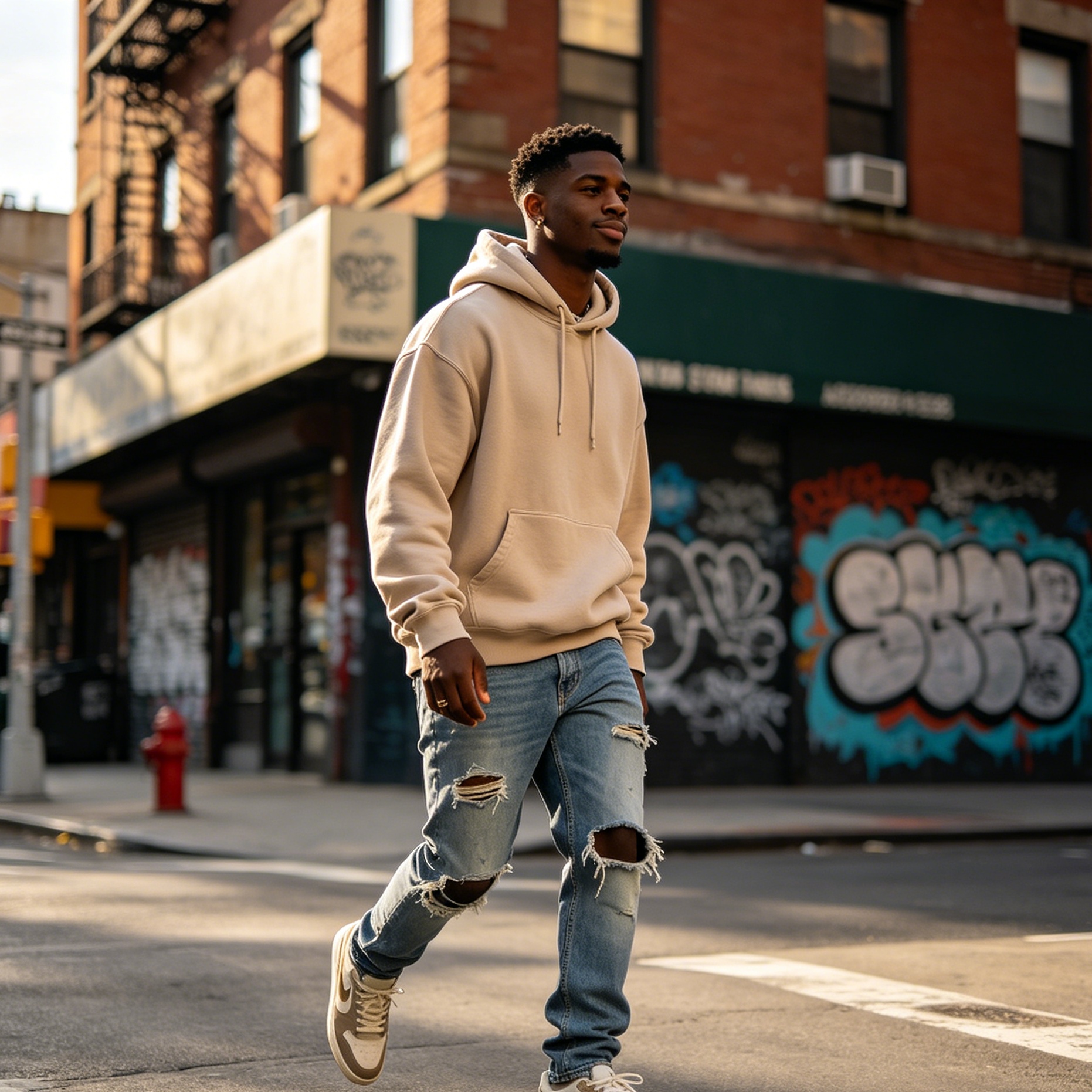
For a traditional streetwear look, tapered joggers or cargo pants that sit just above the collar of the shoe allow the tongue and the elephant print to remain visible. In 2026, the trend has shifted slightly toward wider-leg denim that stacks over the shoe. Because the Jordan 3 has a relatively chunky profile, it holds up well under heavier fabrics and oversized silhouettes.
Elevated Styling
The "Mocha" and "Baroque Brown" colorways have proven that the silhouette can work in more refined settings. Pairing these earth-toned retros with tailored chinos or wool trousers creates a sophisticated look that bridges the gap between sport and sartorial style. The key is to keep the rest of the outfit muted to let the texture of the sneaker—especially if it features elephant print—be the focal point.
Navigating the Secondary Market and Authentication
With the high demand for Jordan 3 Retros, the secondary market is flooded with various versions. Whether you are looking for a rare collaboration or a general release, verification is crucial.
Spotting the Details
Authentic pairs are characterized by the precision of the elephant print. On many lower-quality replicas, the lines are either too thick, too deep, or incorrectly spaced. The height of the print on the heel and toe should be consistent across both shoes in a pair.
Another focal point is the stitching on the Jumpman logo. On genuine pairs, the embroidery is dense and smooth, with no "connecting threads" between the limbs of the figure. The tongue shape should be slightly rounded and stiff enough to stand upright without sagging.
Midsole Longevity
If you are purchasing older retro pairs (those more than 8-10 years old), be aware of midsole hydrolysis. The polyurethane used in the Jordan 3 midsole can crumble over time if not worn or stored in a humidity-controlled environment. For 2026 buyers looking at vintage pairs, a "sole swap" may be necessary, which involves taking a midsole from a newer pair and attaching it to the older upper.
Material Maintenance and Longevity
To keep your Jordan 3s in rotation for years, proactive care is required. The white midsoles on many colorways are prone to scuffing, and the paint can occasionally crack over time due to the natural flexing of the polyurethane.
- Leather Cleaning: A simple microfiber cloth and a mild sneaker cleaning solution will handle most dirt on tumbled leather.
- Suede/Nubuck Care: These require a dedicated suede brush and an eraser. Avoid water on these materials as it can cause staining or texture changes.
- Protecting the Print: Avoid using harsh chemicals on the elephant print overlays, as this can cause the pattern to fade or peel.
The Evolution of the "OG" Standard
In recent years, the brand has made a concerted effort to return to "Original Specifications." This includes adjusting the height of the ankle collar, the shape of the toe box (moving away from the "boxy" look of the mid-2000s to a more slanted, aerodynamic profile), and the exact shade of the elephant print. The 2026 releases continue this trend, offering fans a product that is closer to what was seen on court in 1988 than many retros from a decade ago.
This attention to detail is what justifies the price point for many collectors. When the shape is correct, the shoe flows better with the lines of the foot, making it look as good on a shelf as it does on the street.
Why the Jordan 3 Retro Remains Essential
As we look at the sneaker landscape today, very few silhouettes have managed to stay relevant for nearly four decades without losing their soul. The Jordan 3 Retro succeeds because it is balanced. It isn't as bulky as the models that followed it, and it isn't as minimalist as those that came before. It occupies a unique space where basketball heritage, hip-hop culture, and high-fashion overlap.
Whether you are chasing the latest collaboration like the Rio-inspired J Balvin pair or sticking to the timeless appeal of the Black Cement, the Jordan 3 is a testament to the idea that great design is permanent. It is a shoe that invites conversation, holds its value, and provides a canvas for personal expression that few other items of clothing can match.
When choosing your next pair, consider your existing wardrobe and how much you value historical accuracy versus modern flair. There is a Jordan 3 for every type of enthusiast—from the purist who only wants "Nike Air" on the heel to the newcomer looking for a versatile everyday sneaker. The 2026 lineup ensures that this icon isn't going anywhere, continuing to evolve while staying rooted in the elements that made it a legend in the first place.
-
Topic: Air Jordan 3 - NewNike.Storehttps://newnike.store/product-category/best-air-jordan-rep/air-jordan-3/
-
Topic: air jordan 3 release dates 2025 - updated in real timehttps://www.soleretriever.com/sneaker-release-dates/jordan/nike-air-jordan-3
-
Topic: Beginner's Guide to Air Jordan 3 | GOAT UKhttps://www.goat.com/en-gb/editorial/beginner-s-guide-to-air-jordan-3