Home
Home
Mauve Pink Color: The Low-Key Luxury Shade for Your 2026 Projects
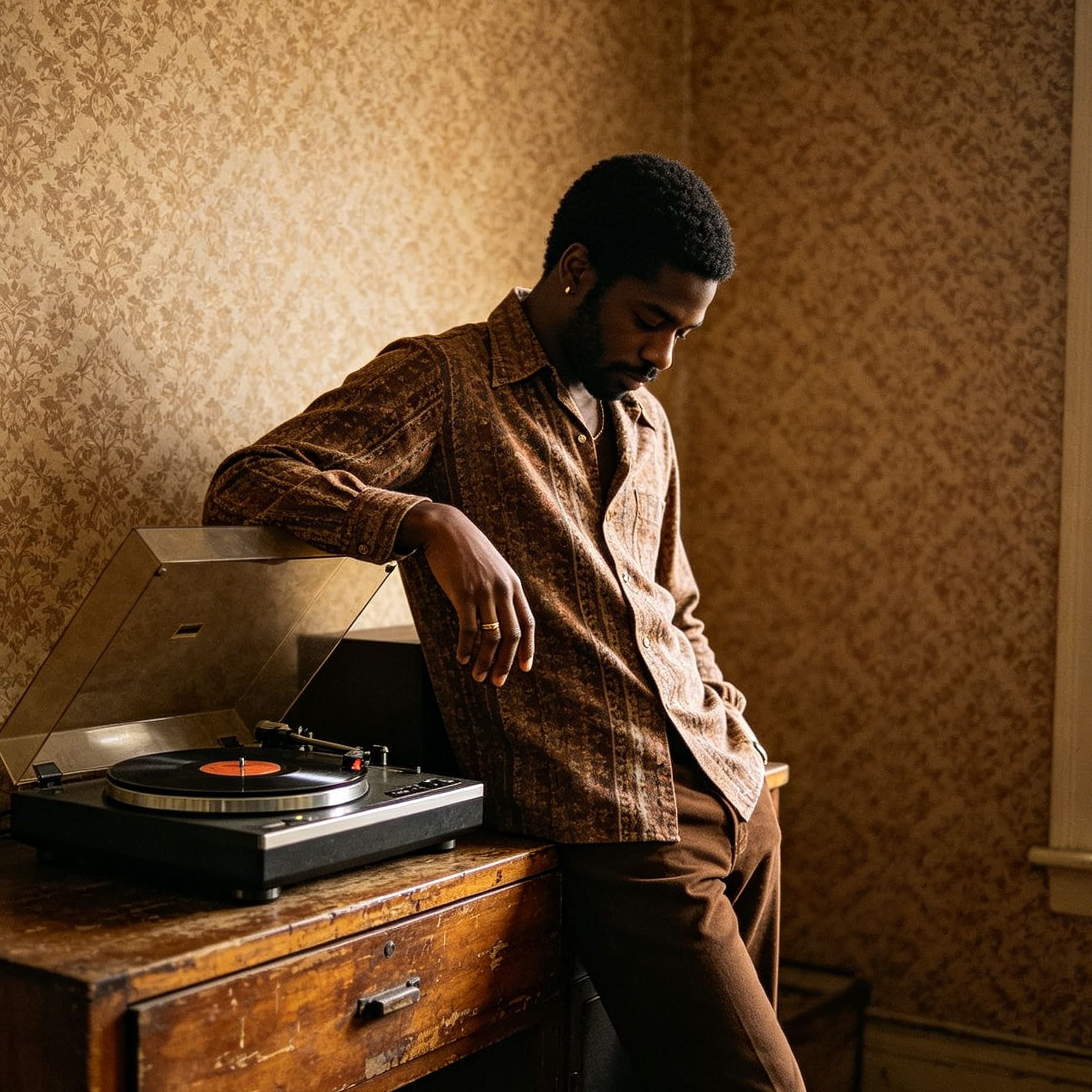
Mauve pink color occupies a unique space in the visual landscape of 2026. It is a hue that refuses to be categorized simply as "pink" or "purple." Instead, it exists in a sophisticated liminal space—a dusty, grayish-pink with subtle violet undertones that suggests a sense of heritage while feeling entirely modern. As design trends shift away from the aggressive saturations of previous years, mauve pink has emerged as a cornerstone for those seeking what many call "quiet luxury." It provides a visual bridge between the warmth of traditional rose tones and the coolness of contemporary lavenders.
The technical DNA of mauve pink color
To use mauve pink color effectively, one must first understand its mathematical composition. While there are several variations depending on the medium, the most widely accepted digital representation is centered around a specific set of coordinates. These values ensure that the color maintains its integrity across different screens and print materials.
- Hex Code: #E0B0FF (Standard Mauve Pink)
- RGB: 224, 176, 255
- CMYK: 12, 31, 0, 0
- HSL: 276°, 100%, 85%
- HSV/HSB: 276°, 31%, 100%
In technical terms, the high brightness (100% in HSB) combined with relatively low saturation (31%) gives the color its "misty" or "pastel" quality. The hue angle of 276 degrees places it firmly on the purple side of the spectrum, but the red components in the RGB mix (87.8%) are what push it into the "pink" category. This balance is delicate; even a minor shift in the green channel can turn this elegant shade into something muddy or overly neon.
An accidental revolution: The historical roots
The story of mauve pink color is rooted in a scientific accident that changed the fashion world forever. In the mid-19th century, specifically 1856, a young chemist was attempting to synthesize a treatment for malaria. During a failed experiment with coal tar, a vibrant purple residue remained in the flask. This substance, eventually known as mauveine, became the first synthetic aniline dye.
Before this discovery, purple and pink dyes were prohibitively expensive, often reserved for royalty because they were derived from rare natural sources like mollusks or specific plant roots. The mass production of mauveine allowed the Victorian era to enter what historians often call the "Mauve Decade." Mauve pink, as a softer, more diluted variation of that original intense purple, became a symbol of the late 19th-century aesthetic. Today, in 2026, we see this color reclaiming its status, not as a symbol of industrial progress, but as a nostalgic nod to refined elegance.
The psychology of tranquility and balance
Mauve pink color is often associated with emotional equilibrium. In color psychology, it is suggested that hues sitting between the red (active) and blue (passive) spectrums can create a calming effect. Unlike bright fuchsia, which can be overstimulating, or deep plum, which can feel heavy or somber, mauve pink offers a nurturing presence.
In professional environments, this color is frequently used to soften a space without making it feel overly "sweet" or immature. It carries a certain maturity that standard baby pink lacks. It suggests a person or a brand that is thoughtful, composed, and intellectually curious. For wellness brands and healthcare UI, mauve pink provides a sense of serenity that aids in reducing user anxiety, making it a functional choice as much as an aesthetic one.
Mauve pink color in 2026 interior design
In the current 2026 design cycle, interior spaces are moving toward "tactile minimalism." Mauve pink color plays a vital role here, particularly when applied to organic textures. It is no longer just a paint color for walls; it is a fundamental component of the material palette.
Living Spaces and Textures
When applied to matte finishes, such as lime-wash paints or velvet upholstery, mauve pink absorbs light in a way that adds depth to a room. It functions exceptionally well as a "new neutral." In living rooms, replacing a standard beige or gray with a very desaturated mauve pink can breathe life into the space without clashing with existing furniture. It pairs beautifully with natural wood tones—especially light oak or walnut—as the purple undertones in the paint highlight the warmth of the wood grain.
Bedrooms: The Sanctuary Effect
For bedrooms, the recommendation is to use mauve pink in layered textiles. Think linen sheets, mohair throws, or sheer curtains. Because the color is sensitive to light temperature, it will appear more pink and warm under morning sunlight and shift toward a cooler, more lavender-gray tone in the evening under artificial warm light. This shifting nature keeps the room feeling dynamic rather than static.
Fashion and the 2026 runway
The fashion industry has embraced mauve pink color as a gender-neutral staple. In 2026, we see a departure from the traditional gendering of pink-adjacent hues. Modern tailoring utilizes mauve pink in structured silhouettes—oversized blazers, wide-leg trousers, and trench coats.
- Monochromatic Styling: One of the most effective ways to wear this color is in a monochromatic gradient. Pairing a deep plum wool coat with a mauve pink silk shirt and lavender trousers creates a sophisticated, high-fashion look that feels cohesive.
- Fabric Choices: The impact of mauve pink changes drastically with the fabric. In satin or silk, it looks expensive and luminous, perfect for evening wear. In heavy knits or denim, it takes on a more casual, "streetwear" vibe that feels accessible yet intentional.
- Accessorizing: For those hesitant to commit to a full garment, mauve pink works as an excellent accent color in footwear or leather goods. It provides a softer alternative to the starkness of white or the commonality of tan.
Digital UI/UX and Branding
For digital product designers, mauve pink color is a powerful tool for creating distinct brand identities. It is particularly effective for apps focused on meditation, journaling, or high-end e-commerce.
Accessibility and Contrast
One must exercise caution when using mauve pink for typography. According to Web Content Accessibility Guidelines (WCAG), #E0B0FF on a white background typically fails the contrast ratio test for normal text (achieving only about 1.78:1). To maintain accessibility:
- Use mauve pink as a background color with dark charcoal or deep navy text.
- Use darker variations of mauve (like #8D3090) for functional UI elements like buttons or links.
- Reserve the light mauve pink for decorative elements, card backgrounds, or subtle hover states.
Brand Personality
Mauve pink communicates a brand that is sophisticated but approachable. It avoids the aggressive "disruptor" energy of bright corals or the cold "corporate" feel of standard blues. It suggests a premium experience that is inclusive and mindful.
Mastering the palette: What pairs with mauve pink color?
Creating a harmonious palette requires an understanding of color relationships. Mauve pink color is surprisingly versatile, but it requires careful pairing to avoid looking dated or jarring.
1. The Complementary Approach
The direct complement of mauve pink on the color wheel is a soft, minty green or sea foam (such as #8DDCDC). This combination is highly effective because it balances the warmth of the pink-purple with a refreshing coolness. In a 2026 context, this pairing is often seen in botanical-themed branding or spa interiors.
2. The Sophisticated Analogous Palette
Pairing mauve pink with its neighbors—lavender, orchid, and dusty rose—creates a seamless, low-contrast look. This is the safest bet for creating a serene environment. Adding a touch of "Slate Blue" (#557C99) to this mix introduces a sophisticated contrast that prevents the palette from feeling too sugary.
3. The Modern Neutral Mix
For a contemporary architectural look, pair mauve pink with "Cream" (#FDFBD4) and "Charcoal Gray." The cream softens the mauve, while the charcoal provides a grounded, modern edge. This is a favorite for high-end boutique branding.
Colors to Avoid
While experimentation is encouraged, certain combinations can be visually discordant:
- Neon Orange: The intensity of neon orange competes with the subtle elegance of mauve pink, leading to visual fatigue.
- Forest Green: While some greens work, a very dark, earthy forest green can make mauve pink look washed out or "muddy."
- Bright Yellow: Unless used very sparingly as a tiny accent, bright yellow can create a "clownish" effect when paired with such a soft violet-pink.
Sustainability and the 2026 Perspective
In 2026, the choice of color is also linked to sustainability. Mauve pink is frequently associated with natural dyes derived from berries, roots, and flowers. Brands moving toward eco-friendly manufacturing often use these desaturated tones because they require fewer harsh chemical fixatives than vibrant, fluorescent colors. When you choose mauve pink color, you are often aligning with a broader movement toward environmental consciousness and a slower, more intentional pace of life.
Final thoughts on the longevity of mauve pink
Mauve pink color is not a fleeting trend. Its roots in the 19th century and its practical application in modern digital design prove that it has staying power. It is a color that rewards those who look closely, offering layers of gray, pink, and purple that shift with the light. Whether you are designing a user interface, selecting a palette for a new home, or updating a wardrobe, mauve pink provides a versatile, elegant, and psychologically grounding option. It is the color of the quiet moment, the thoughtful brand, and the sophisticated space.
-
Topic: Mauve Pink Color: Hex Code, Palettes & Meaning | Figmahttps://www.figma.com/colors/mauve-pink/
-
Topic: Mauve - Simple English Wikipedia, the free encyclopediahttps://simple.wikipedia.org/wiki/Mauve
-
Topic: Mauve Pink Color Code: Hex, RGB, and CMYK | ColorShades.iohttps://colorshades.io/mauve-pink