Home
Home
Nail the Look: Best Anime Poses for Pictures for Your Next Shoot

Capturing the essence of a 2D character in a 3D world is more than just wearing a costume or standing in front of a camera. It is about understanding the geometry of movement. In the current visual landscape of 2026, where digital aesthetics and reality blur more than ever, mastering anime poses for pictures has become a specialized skill for creators, hobbyists, and professional models alike. The appeal lies in the exaggerated silhouettes and emotional weight that standard portraiture often lacks.
Translating hand-drawn frames into physical reality requires a fundamental shift in how one perceives the body. In animation, artists often break biological constraints to emphasize dynamic energy. To replicate this, a person must focus on extreme angles, deliberate tension, and the concept of 'the silhouette.'
The Core Mechanics of the Anime Silhouette
Before diving into specific archetypes, it is crucial to understand why anime poses for pictures feel different from everyday snapshots. The primary factor is the silhouette. If a photo were turned into a solid black shape, an anime pose would still remain recognizable and interesting. This is achieved by creating space between the limbs and the torso.
Negative space is a photographer’s best friend in this genre. When limbs are pressed against the body, the shape becomes a muddled block. By extending an elbow away from the waist or creating a sharp triangle with a bent knee, the figure becomes dynamic. Another key element is the 'S-curve' or 'C-curve.' Anime characters rarely stand perfectly straight. Instead, the spine is often curved, the hips tilted, and the shoulders slanted to create a sense of flow and internal rhythm.
High-Energy Action: The Shonen Stance
For those looking to convey power, speed, or determination, Shonen-inspired poses are the standard. These are characterized by low centers of gravity and wide stances.
The Three-Point Landing and its Variants
One of the most iconic anime poses for pictures involves the ground-contact stance. To execute this without looking awkward, one knee should be bent toward the chest while the other leg extends backward. Instead of placing the entire palm on the ground—which can look heavy—using only the fingertips creates a sense of lightness and impending movement. The head should be slightly bowed with the eyes looking up toward the lens, creating a 'predatory' or focused gaze.
The Mid-Stride Dynamic
Movement in anime is often captured at the peak of an action. To replicate this, try the 'leading shoulder' pose. Turn the body 45 degrees away from the camera, take a wide step forward, and lean the torso toward the front foot. The arms should be at different heights—one retracted near the hip (as if holding a hilt or charging energy) and the other slightly forward for balance. This creates a diagonal line that leads the viewer’s eye across the frame.
The Shojo Sparkle: Elegance and Emotional Weight
On the opposite end of the spectrum, Shojo-style posing focuses on internal emotion, grace, and a sense of 'ethereal' lightness. These poses often involve more intricate finger placements and softer body lines.
The 'Pensive Look-Back'
This pose is a staple for creating mystery or a romantic atmosphere. Stand with your back to the camera, then twist at the waist to look over the shoulder. The trick here is in the shoulder height; dropping the front shoulder while raising the back one creates a more dramatic neck line. It is a subtle way to incorporate the anime-specific 'twist' that adds depth to a flat image.
The Floating Hand Gesture
In many anime illustrations, hands are used to frame the face. Avoid placing the hand flat against the cheek. Instead, keep the fingers slightly parted and curled, barely touching the chin or the temple. This adds a layer of delicacy. In 2026, many photographers are using light-leak filters to enhance these poses, making the subject appear as if they are bathed in a nostalgic, afternoon sun.
The 'Cool' Archetype: Brooding and Mystery
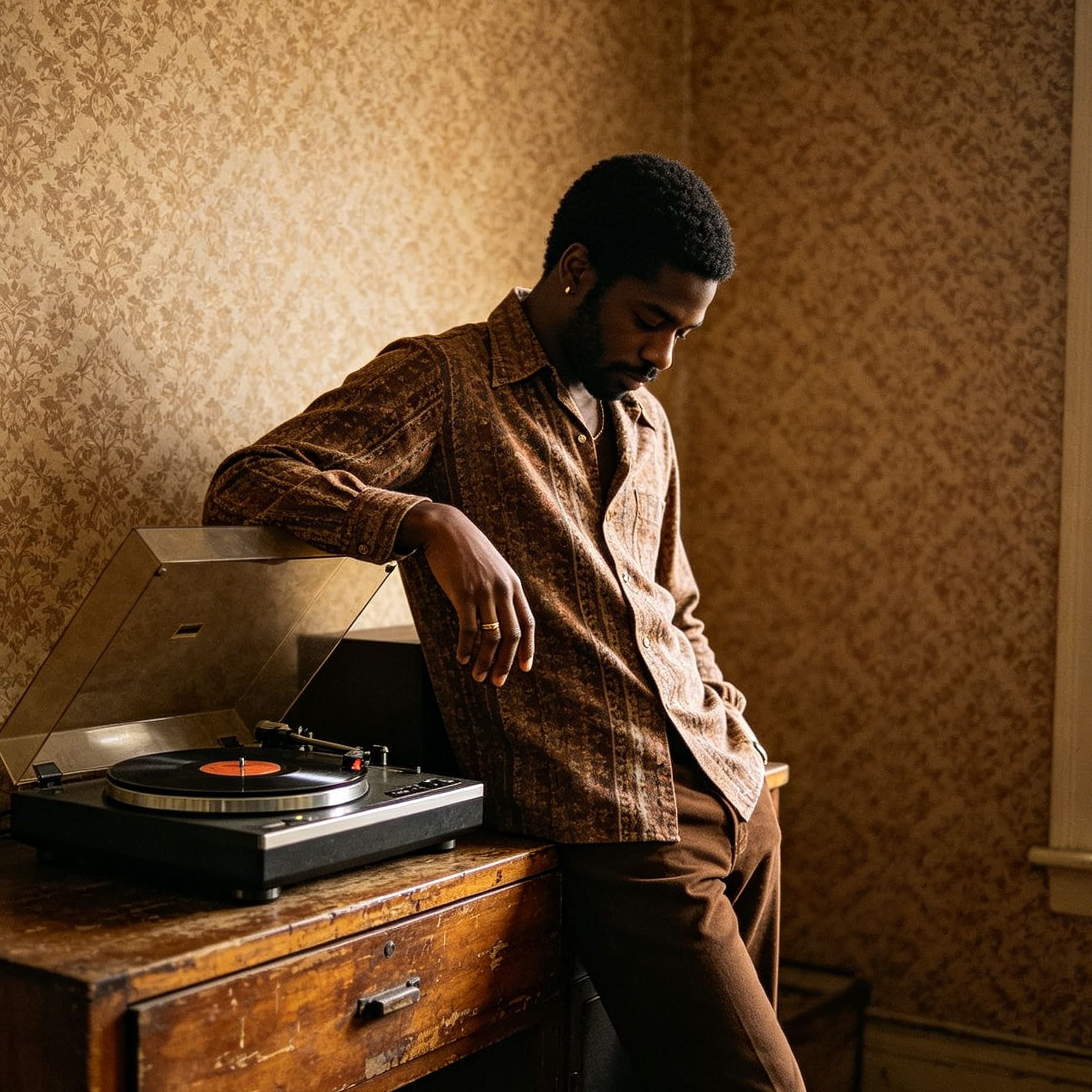
Commonly referred to as the 'Sad Boy' or 'Antagonist' aesthetic in reference materials, these poses are about containment and controlled energy. They work exceptionally well in urban or cyberpunk settings.
The Bench Solitude
Sitting poses are often difficult because the body tends to slouch. To make a sitting pose look 'anime,' sit on the edge of the seat. Extend one leg out and tuck the other back. Rest one arm heavily on the knee and let the other hang between the legs. By keeping the spine relatively straight but tilting the head down, the subject exudes a sense of deep thought or loneliness. This is a high-impact pose for streetwear photography.
The Wall Lean with Perspective
Lean one shoulder against a wall, but instead of standing parallel to the wall, angle your feet away from it. This creates a triangular shape between the body and the vertical surface. Cross the arms, but keep them loose—tightly crossed arms look defensive and small, while loose crossing maintains a 'cool' and relaxed demeanor.
Kawaii and Idol Culture: The Playful Vibe
Pop-culture-inspired anime poses for pictures often lean into 'Moe' aesthetics—cute, energetic, and highly expressive. These are popular for convention photography and vibrant studio shoots.
The 'Cat-Ear' or 'Peace' Variant
While the peace sign is a classic, the anime version often involves placing it near the eye or pushing it toward the camera to create a forced perspective. To add a modern 2026 twist, creators often use 'dynamic asymmetry.' If one hand is doing a peace sign near the face, the other should be doing something completely different, like holding a prop (a soda can, a plushie) or resting on the hip. This prevents the pose from looking too symmetrical and robotic.
The Energetic Kick-Back
Stand on one leg and kick the other foot back and up. To balance this, lean the upper body slightly forward. This 'V-shape' is incredibly common in idol-themed anime. It conveys a sense of joy and spontaneity. Using a wide-angle lens from a lower perspective can make the kicked-back leg look more dramatic, adding to the 'animated' feel of the shot.
Technical Considerations: Camera Angles and Lenses
A pose is only as good as the angle from which it is shot. To truly master anime poses for pictures, the photographer must work in tandem with the model's physical lines.
The Dutch Tilt
Slightly tilting the camera (the Dutch Tilt) can add a sense of unease or dynamic energy to action poses. It breaks the horizontal stability of the world, making a simple stance feel like a frame from a high-budget action sequence.
Low Angle for Authority
Shooting from the waist or knees upward makes the character appear taller and more imposing. This is essential for 'boss' characters or powerful protagonists. It elongates the legs, a common stylistic choice in modern character design.
High Angle for Vulnerability
Conversely, shooting from above looking down makes the subject appear smaller and more vulnerable. This is often used for the 'lonely' or 'cute' archetypes, as it emphasizes the eyes and reduces the physical presence of the body.
Mastering Facial Expressions
The face must match the tension of the body. One common mistake is having a dynamic body pose with a 'dead' or neutral expression. In anime, the eyes do the heavy lifting.
- For Action: Narrow the eyes and slightly part the lips as if breathing heavily. Tension in the jaw helps.
- For Mystery: Look away from the lens, or use the 'side-eye' gaze where the head is turned but the eyes remain on the camera.
- For Kawaii: A slight tilt of the head combined with wide, bright eyes. Often, pressing the tongue against the back of the teeth helps create a natural, slight smile that doesn't look forced.
Environmental Synergy and Props
In 2026, the environment is rarely just a background; it is an extension of the character. When choosing anime poses for pictures, consider what the subject is interacting with.
- Urban Settings: Use railings, stairs, and neon signs to frame the body. A pose where the model is 'hanging' off a railing can create a sense of weightlessness common in sci-fi anime.
- Nature Settings: If shooting in a forest or park, use the greenery to create layers. A pose where the subject is partially hidden by leaves but looking directly through a gap creates a 'stalker' or 'mysterious' vibe.
- Props: Whether it is a katana, a guitar, or a simple umbrella, the prop should be treated as an extension of the limb. Do not just hold the prop; interact with its weight. A sword should feel heavy, requiring a shift in the hips to balance the load.
Finalizing the Shot: Post-Processing Intention
While the focus here is on the physical pose, knowing how the photo will be edited can change how you stand. If the intention is to add 'speed lines' or 'magical effects' in post-production, the pose needs to leave enough room for those digital elements. A 'power-up' pose, for instance, requires a wide enough stance so that the digital aura doesn't overlap awkwardly with the limbs.
In the era of AI-enhanced photography, some creators are now using real-time overlays to see how their pose fits into a pre-designed anime 'composition grid.' This allows for frame-perfect accuracy in recreating specific iconic tropes.
Common Pitfalls to Avoid
- Stiff Shoulders: Most people carry tension in their shoulders. For anime photography, remember to consciously drop or deliberately position them. A 'shrugged' shoulder usually looks like an accident rather than a choice unless it is highly exaggerated.
- Flat Feet: Standing flat-footed is the quickest way to lose the 'anime' feel. Shifting the weight to the balls of the feet or lifting one heel slightly can add an instant sense of readiness.
- Hidden Hands: Unless the character is specifically meant to be hiding their hands (like in a hoodie pocket), keep the hands visible. Fingers are extremely expressive in the 2D world and should be used to complement the overall mood.
The Psychology of the Pose
Ultimately, the best anime poses for pictures come from a place of character immersion. Instead of thinking 'how do I look?', think 'what is my character feeling?'. If the character is arrogant, the chest will naturally puff out and the chin will rise. If they are shy, the shoulders will roll forward and the toes might point inward.
This psychological approach ensures that the pose feels authentic rather than like a static imitation. As we move further into 2026, the trend is shifting away from carbon-copying specific scenes and toward creating 'original' moments that feel like they belong in a high-quality production.
Experimenting with these techniques allows anyone to bridge the gap between the mundane and the fantastic. Whether it is for a high-end cosplay portfolio or a casual social media update, the right pose transforms a simple picture into a story.
-
Topic: 3,600+ Pose Anime Templates | Free Graphic Design Templates PSD Download - Pikbesthttps://pikbest.com/free-templates/pose-anime.html
-
Topic: Anime Poses Stock Illustrations – 2,677 Anime Poses Stock Illustrations, Vectors & Clipart - Dreamstimehttps://www.dreamstime.com/illustration/anime-poses.html?view=best-selling
-
Topic: 11,976 Anime Poses Stock Photos, High-Res Pictures, and Images - Getty Imageshttps://www.gettyimages.com/photos/anime-poses?page=5