Home
Home
Navigating the Infotracer Login and Getting the Most Out of Your Dashboard

Accessing your public records data efficiently depends on a clear understanding of the infotracer login portal and the subsequent tools available in the members area. The portal serves as the primary gateway for users to retrieve background checks, court records, and asset information that has been compiled from thousands of municipal, state, and federal sources.
Accessing the member portal efficiently
The central hub for all saved reports and active searches is the members area. To initiate an infotracer login, a user must visit the official sub-domain designed for customers. This interface requires two primary credentials: the email address provided during the initial registration or purchase and the unique password established at that time.
Standard procedure involves entering these details into the specified fields on the landing page. Once the "Login" button is selected, the system authenticates the credentials against the secure database. If the credentials match, the browser redirects the user to the main dashboard. It is worth noting that for security reasons, sessions may time out after a period of inactivity, requiring a fresh login to maintain data integrity and privacy.
Troubleshooting common login barriers
Occurrences where a user cannot gain entry to their account are often tied to minor technical discrepancies rather than system failures. One of the most frequent issues involves the use of incorrect email addresses. Many individuals maintain multiple email accounts, and the infotracer login system is sensitive to the specific address linked to the active subscription.
Password sensitivity is another factor. The login interface is case-sensitive, meaning an accidental activation of the "Caps Lock" key can result in an authentication error. Furthermore, browser-stored passwords can sometimes become outdated if a user has recently changed their credentials but hasn't updated their browser's auto-fill settings. Clearing the browser cache or attempting to log in through an incognito or private browsing window can often resolve persistent loading issues or unexpected error messages.
Recovery of lost credentials
Forgetting a password is a common hurdle in managing digital services. The infotracer login page includes a dedicated link for password recovery. Initiating this process requires the user to submit the email address associated with their account. The system then generates an automated email containing specific instructions for resetting the password.
Time sensitivity is crucial during this phase. Recovery emails are typically dispatched within minutes. However, aggressive spam filters or bulk mail folders frequently intercept these automated messages. Users who do not see a reset link in their primary inbox should inspect these secondary folders. If the email remains elusive, it might indicate that the address entered was not the one used for the initial sign-up, or there may be a typo in the submission. In such cases, direct communication with the support team via their verified phone number (800) 791 - 1427 is a reliable alternative to manually guessing credentials.
The architecture of the member dashboard
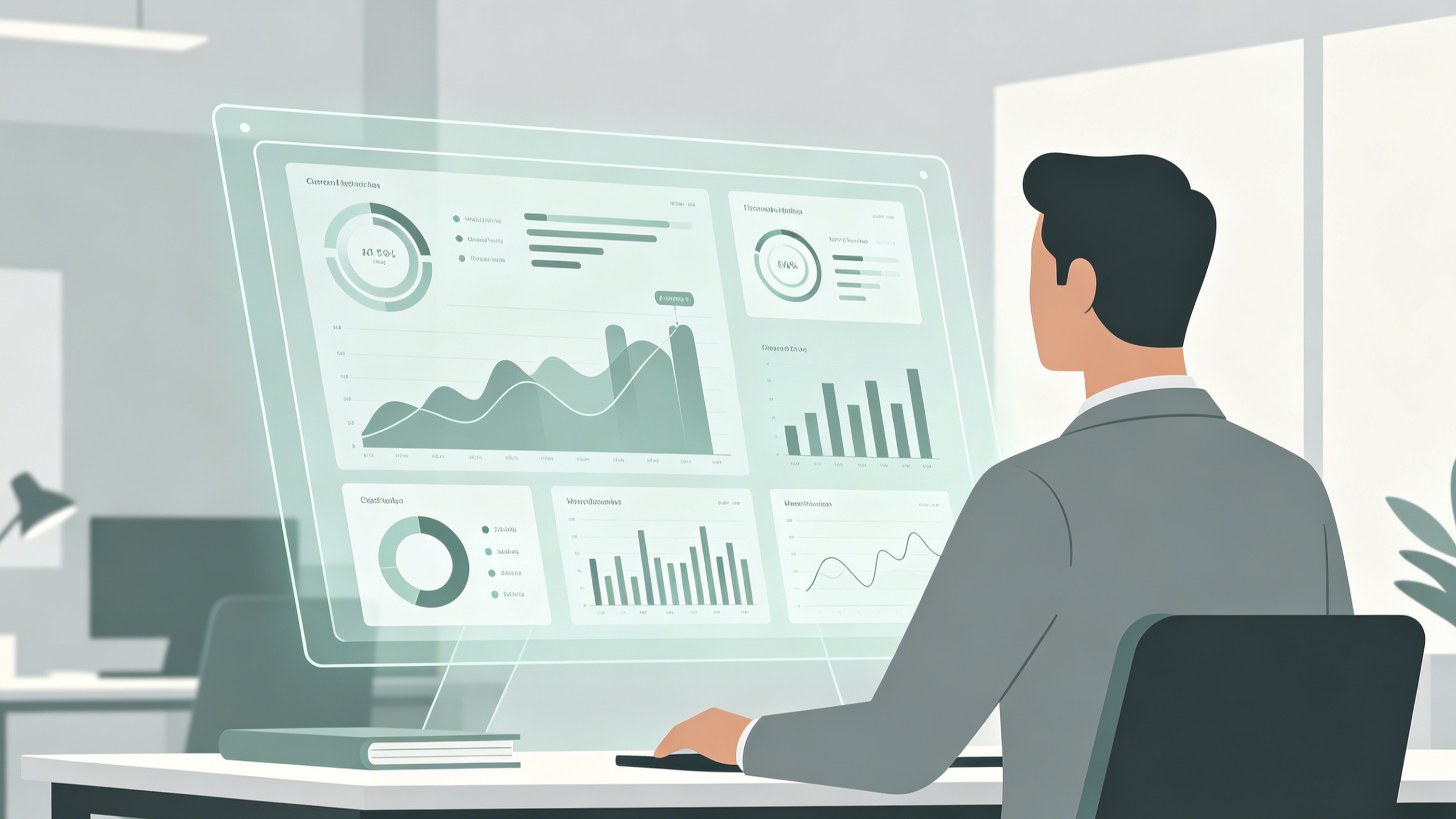
Successful execution of an infotracer login opens up the member dashboard, which is categorized into several functional sections designed for ease of navigation. The interface is built to allow users to pivot between different search types without re-entering basic biographical data constantly.
The "My Account" section
This area is the administrative heart of the user experience. Within this section, one can find current subscription details, recent transaction receipts, and personal profile settings. It is the designated space for updating contact information or changing the current password for enhanced security. Accessing "My Account" also allows users to view their order history, providing a clear audit trail of every report purchased and every search performed during the membership period.
Navigating "My Orders"
Every time a search is completed, the resulting report is archived in the "My Orders" or "My Reports" tab. This is particularly useful for users who need to revisit data without conducting a new search. These reports are usually available for immediate viewing in a web-optimized format. Since public records can be voluminous, having a centralized location to store and organize these files ensures that critical information like criminal histories or property records is always accessible after a quick infotracer login.
Monitoring through "My Alerts"
One of the more advanced features available after logging in is the alert system. Public records are not static; court cases are updated, addresses change, and new professional licenses are issued daily. By setting up alerts, the system monitors specific records for changes. When an update is detected, a notification is sent to the user. This proactive tool is accessible via the member area, allowing for a longitudinal view of a subject's history rather than a mere snapshot in time.
Understanding the search categories available
Once logged in, the variety of data points accessible is extensive. The platform aggregates information into distinct modules, allowing users to focus on specific needs such as contact discovery or criminal history.
Personal and contact information
Standard searches often begin with basic identifiers. After an infotracer login, users can conduct name-based searches to uncover current and past addresses, known phone numbers (including landlines and cell phones), and email addresses. This data is often used for reuniting with estranged family members or verifying the identity of an online acquaintance. The information is cross-referenced against social media profiles and deep-web footprints to provide a comprehensive digital shadow of the individual.
Criminal and court records
The criminal records module is perhaps the most utilized aspect of the service. It provides access to arrest records, warrants, felony and misdemeanor convictions, and sex offender registry status. Beyond criminal data, the court records section includes civil judgments, bankruptcy filings, tax liens, and probate cases. This level of detail is essential for those seeking to understand the legal background of a subject, providing insights that go beyond what a simple search engine could offer.
Asset and property details
For financial due diligence, the asset search functions are vital. Logged-in members can investigate real estate ownership, including deed transfers, property tax assessments, and structural details of owned buildings. Additionally, vehicle-related data such as VIN checks and license plate lookups are available in certain jurisdictions, providing a clearer picture of an individual's financial standing and tangible assets.
Premium reports versus unlimited access
A common point of confusion during the infotracer login experience involves the distinction between standard unlimited searches and premium reports. A standard subscription typically covers general public records that are widely available but aggregated for convenience. This includes most name, phone, and address lookups.
Premium reports, however, involve data that requires the service to pay a direct fee to specialized third-party providers or government agencies. These reports often contain highly sensitive or deep-layered information such as professional licenses, weapon permits, pilot licenses, or complex corporate affiliations. When a user encounters a record labeled as "Premium," there is generally an additional one-time cost associated with unlocking that specific data. The dashboard provides clear prompts regarding these costs before the user commits to the purchase, ensuring transparency in billing.
Managing subscriptions and cancellations
Transparency in billing is a cornerstone of maintaining a positive user experience. Upon completing an infotracer login, users have the autonomy to manage their subscription status directly. The service operates on a recurring monthly billing cycle, which is clearly outlined during the checkout process and in the initial confirmation email.
If a user decides that the service no longer meets their needs, the cancellation process is designed to be accessible. There are three primary methods for ending a subscription:
- Online via the Dashboard: Within the "My Account" section, there is typically a button or link specifically for membership management. Following the prompts to cancel provides an immediate electronic confirmation.
- Contact Form: Users can submit a formal request through the internal help system once logged in.
- Telephone Support: Calling (800) 791 - 1427 allows users to speak with a representative who can process the cancellation and answer questions regarding the final billing cycle.
It is important to understand that because fees are billed in advance for the month, refunds for unused portions of a monthly subscription are generally not provided. However, the infotracer login remains active for the remainder of the paid period, allowing the user to continue running searches until the current cycle expires.
Data accuracy and reliability
While the platform utilizes billions of records, it is essential for users to manage expectations regarding data accuracy. The service acts as an aggregator of public information. It does not create the records; rather, it collects them from various government and public sources.
Discrepancies can occur if a local courthouse has not yet digitized a recent filing or if there is a clerical error at the source. The member area provides tools to help refine searches. For instance, if a search for a common name like "John Smith" yields too many results, the dashboard allows for filtering by city, state, or age. This refining process is a critical skill for users who want to ensure the data they are viewing pertains to the correct individual.
Privacy, security, and compliance
Security is a paramount concern for anyone using an infotracer login. The platform employs encryption protocols to protect sensitive user data, including payment information and search history. Furthermore, the service operates in compliance with relevant data privacy laws.
The Fair Credit Reporting Act (FCRA)
A significant aspect of using public records data is understanding the legal limitations. Infotracer is not a consumer reporting agency as defined by the Fair Credit Reporting Act. This means that the information obtained after an infotracer login cannot be used for determining eligibility for credit, insurance, employment, or tenant screening. The dashboard and terms of service frequently remind users of these restrictions to ensure that the data is used ethically and legally for personal research and verification purposes only.
Personal data opt-out
Individuals who find their own information on the platform and wish to have it removed can utilize the opt-out features. While logging in is not required to submit an opt-out request, knowing that these privacy rights exist is important for all users. The platform provides a dedicated form for exercising these rights, which is managed by a compliance department focused on ethical data standards.
Mobile access and the user experience
In the current digital landscape, many users prefer to access information on the go. The infotracer login is optimized for mobile browsers, providing a responsive design that mimics the functionality of the desktop version. For those using mobile devices, the process remains the same: navigate to the login page, enter credentials, and access the dashboard.
When using a mobile device, it is recommended to ensure that the browser is updated to the latest version to prevent rendering issues with complex reports. Some users may find that downloading reports as PDFs is more convenient for offline viewing on tablets or smartphones. The member portal supports these downloads, ensuring that the transition between desktop and mobile is seamless.
Getting support when the system fails
Even with a robust system, users may occasionally encounter technical glitches. The support structure for the platform is comprehensive. Beyond the automated password reset tools, there are live resources available 24/7.
If a user encounters a specific error code after an infotracer login attempt, contacting support at support@infotracer.com or calling the help line is the best course of action. The customer care team has the authority to assist with payment updates, account recovery, and search assistance. If a search yields no results, the team can often provide tips on how to broaden or narrow the parameters to find the desired information.
Data update frequency
One of the reasons users maintain an active infotracer login is to benefit from regular data refreshes. Unlike static databases, the information here is updated frequently. Criminal data in particular is often refreshed on a daily basis in many jurisdictions. Other records, such as property taxes or professional licenses, may update on a monthly or quarterly schedule depending on when the source agencies release their data. This frequency makes the membership area a dynamic resource rather than a one-time lookup tool.
Final considerations for account holders
Managing an infotracer login is the first step in unlocking a vast repository of public information. By understanding the nuances of the dashboard—from the differences in report types to the specifics of subscription management—users can navigate the complexities of public records with greater confidence.
To ensure the best experience, users should regularly check their "My Alerts" section and keep their contact information updated in the "My Account" tab. This proactive approach ensures that they stay informed of changes in the records they care about while maintaining full control over their account's security and billing. The platform's commitment to accessibility, combined with a robust support system, makes it a powerful tool for those needing to verify identities, investigate backgrounds, or perform financial due diligence in a secure digital environment.