Home
Home
Stop the Clutter: Smart Organization Hacks for Small Spaces
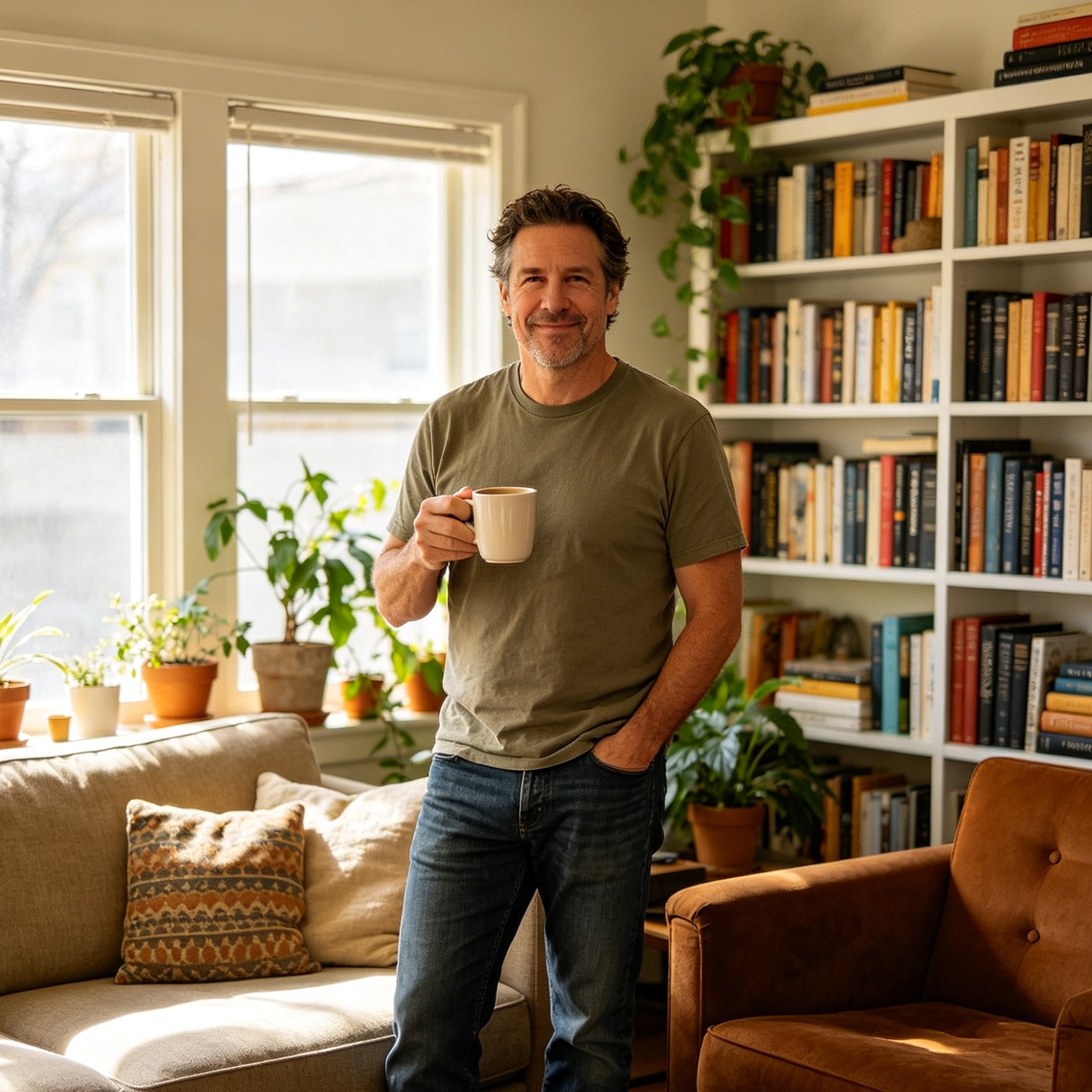
Living in a compact environment often feels like a constant battle against physical objects. As urban living trends in 2026 continue to favor efficiency over sprawling square footage, the ability to manage a small home has transitioned from a basic chore to a sophisticated lifestyle skill. The goal isn't just to hide items away; it's to create a system where every square inch serves a purpose without making the room feel like a storage unit. Effective organization hacks for small spaces require a shift in perspective—from looking at floor plans to looking at cubic volume.
The vertical frontier: looking up instead of out
When floor space is at a premium, the most common mistake is trying to fit everything within the bottom five feet of a room. Walls represent the largest unused asset in most small homes. Utilizing vertical space isn't just about putting up a shelf; it’s about strategic placement that keeps the floor clear and the line of sight open.
Sky-high shelving
Consider the space in the last twelve inches before the ceiling. This area is rarely utilized because it’s out of reach for daily use, but it is the perfect zone for seasonal items, rarely used kitchen gadgets, or book archives. Installing a perimeter shelf that wraps around a room can provide massive storage capacity while drawing the eye upward, which paradoxically makes the ceiling feel higher.
Over-the-door potential
The back of every door is an opportunity. From pantry doors to bathroom entries, hanging organizers can house anything from cleaning supplies to electronics chargers. In 2026, modular over-the-door systems allow for customizable bins and hooks, ensuring that these areas don't just become junk collectors but remain highly organized hubs.
Pegboards and magnetic strips
Kitchens and home offices benefit immensely from wall-mounted organization. A large pegboard allows for a flexible layout of tools, scissors, and supplies. Magnetic strips, traditionally used for knives, are now commonly used in craft rooms for metal tools or in bathrooms for hairpins and tweezers. These hacks keep the surfaces—like countertops and desks—entirely clear for actual work.
Rethink the furniture: tools rather than objects
In a small space, every piece of furniture must justify its existence by performing at least two functions. If a piece only does one thing, it might be an expensive waste of space.
The power of the storage ottoman
Traditional coffee tables are often bulky and offer zero internal storage. Replacing a heavy table with a large, firm-topped storage ottoman provides a place to rest feet, extra seating for guests, and a hidden compartment for blankets or board games. This is a classic example of furniture that works harder for the occupant.
Bed frames as dresser replacements
The area under a bed is approximately thirty square feet of prime real estate. Instead of using thin, plastic bins that collect dust, a hydraulic lift bed or a frame with built-in deep drawers can replace an entire dresser. This frees up wall space for a desk or a more open walkway. When selecting under-bed storage, priority should be given to sealed units to maintain hygiene and prevent the "out of sight, out of mind" clutter accumulation.
Nesting and folding mechanisms
Dining tables that fold down into slim consoles or nesting side tables that can be pulled out only when guests arrive are essential. The flexibility to expand and contract the furniture layout based on the current activity is a hallmark of smart organization. It allows a room to breathe during the day while remaining functional for entertaining at night.
Exploiting the "hidden" real estate
Every home has dead zones—awkward corners, narrow gaps between appliances, or spaces under the stairs. Identifying these requires a critical eye.
The narrow pull-out
A four-inch gap between a refrigerator and a wall might seem useless, but it is exactly the right size for a rolling spice rack or a canned goods pantry. These slim, vertical units utilize the full depth of the kitchen without requiring any additional width.
Window sills as functional surfaces
In many older apartments, deep window sills are overlooked. They can serve as a natural extension of a desk or a small herb garden. By adding a custom-fit wooden board over a narrow sill, you can create a breakfast bar or a dedicated charging station for mobile devices, taking the pressure off the main living surfaces.
Staircase drawers
For those living in micro-lofts or tiny homes with a second level, the stairs are often the most wasted space in the house. Retrofitting drawers into the risers of the staircase is one of the most effective organization hacks for small spaces. It provides a perfect location for shoes, umbrellas, and outdoor gear right near the entryway.
Visual organization: the psychology of space
Organization isn't just about where things are; it's about how they look. Visual clutter—a riot of colors, textures, and labels—can make a perfectly organized room feel chaotic and small.
The transparency rule
Using clear bins for storage allows you to see exactly what is inside without opening five different boxes. This reduces the time spent searching and prevents "duplicate buying" because you forgot you already had a specific item. However, there is a catch: clear bins should be used inside cabinets or closets. For open shelving, matching opaque bins in a neutral color are often better because they hide the visual noise of the items inside.
Uniformity in labeling
A simple label maker can change the entire aesthetic of a pantry or a closet. When everything is labeled in the same font and style, it creates a sense of professional order that reduces mental stress. It also sets a clear expectation for other members of the household on where things belong, making the system easier to maintain.
Mirror magic and light flow
While not a storage hack in the traditional sense, using mirrors to reflect light and views can make an organized small space feel twice its actual size. Placing a mirror opposite a window or behind a lamp helps eliminate dark corners where clutter tends to accumulate. Light is the enemy of mess; when every corner is illuminated, there is a natural incentive to keep things tidy.
Establishing the "Zoning" system
Professional organizers often talk about "zoning," which means grouping items by the activity they support rather than just their category. In a small space, zones help prevent the entire home from becoming a singular mess.
The Entryway Drop Zone
Even if there isn't a formal foyer, a small area near the door should be designated as the "drop zone." A few hooks for coats, a small tray for keys, and a basket for mail prevent the common habit of dropping these items on the kitchen table or sofa. This keeps the primary living areas reserved for living, not transitioning.
The Work-From-Home boundary
As remote work remains a staple in 2026, keeping office supplies from bleeding into the bedroom is vital for mental health. If a dedicated office isn't possible, a "cloffice" (closet-office) or a fold-away desk ensures that work disappears when the day is done. Organizing by zone ensures that when you are in "relax mode," you aren't staring at a pile of tax returns or printer paper.
The maintenance mindset: keeping the space organized
The best organization hacks for small spaces will fail without a commitment to maintenance. Small homes have a very low "clutter threshold"—it only takes three or four misplaced items to make the room feel messy.
The "One-In, One-Out" rule
For every new item brought into the home, one item of equal size must leave. This is the only way to maintain a steady state of inventory in a small space. It forces a pause before every purchase: "Do I love this enough to get rid of something I already own?" This rule is particularly effective for wardrobes and kitchen gadgets.
The daily five-minute reset
Because small spaces get messy quickly, they also get clean quickly. A five-minute reset every evening—putting the remote back, clearing the mail, and hanging up the coat—prevents the small messes from snowballing into a weekend-long cleaning project.
Annual auditing
Once a year, it is helpful to go through every hidden storage area (under the bed, the top shelves, the back of the pantry) and evaluate the utility of the contents. If an item hasn't been touched in twelve months, its presence in a small space is likely a burden rather than a benefit. Donation or recycling should be the default for these items.
Designing for the life you have
Ultimately, organization is about making your daily life smoother. It’s not about achieving a Pinterest-perfect aesthetic that you’re afraid to touch. The most effective systems are those that are intuitive. If you always drop your keys on the counter, put a beautiful bowl there instead of trying to force yourself to hang them on a hook three rooms away.
Adapting organization hacks for small spaces is a process of trial and error. What works for a single professional in a studio apartment might not work for a couple in a small one-bedroom. The key is to be intentional with every purchase and every square inch of space. When you stop fighting the limitations of your home and start working with them, you'll find that a small space isn't a restriction—it's an opportunity for a more curated, peaceful way of living.
In 2026, luxury is no longer defined by how much space you have, but by how well you use it. A well-organized 400-square-foot apartment can feel more expansive and welcoming than a cluttered 2,000-square-foot house. By implementing vertical storage, investing in multi-functional furniture, and maintaining a disciplined approach to inventory, anyone can turn a cramped dwelling into a functional masterpiece.
-
Topic: 28 Space-Saving Solutions and Storage Ideas | HGTVhttps://www.hgtv.com/lifestyle/clean-and-organize/20-clever-space-saving-solutions-and-storage-ideas-pictures
-
Topic: 19 Seriously Clever Small Space Storage Ideas to Try | Apartment Therapyhttps://www.apartmenttherapy.com/10-secret-storage-ideas-for-sm-113238
-
Topic: Osoe Home | Blog | Organizing Small Spaces: Smart Hacks for Apartments and Studioshttps://www.osoehome.com/blogs/nieuws/organizing-small-spaces-smart-hacks-for-apartments-and-studios