Home
Strategies for Effective IT Infrastructure Management in a Hybrid World

IT infrastructure management is the operational backbone of any modern enterprise. It encompasses the comprehensive oversight of an organization's technological foundation, ensuring that every component—from physical servers in a local data center to virtualized resources in a public cloud—functions with optimal efficiency, security, and reliability. As businesses transition from static, on-premises environments to dynamic, hybrid models, the discipline of infrastructure management has evolved from simple maintenance to a complex strategic function that directly impacts a company's bottom line.
Effective management ensures that the "digital plumbing" of a business remains clear. When communication tools, core databases, and customer-facing applications run without interruption, employees remain productive and customers stay satisfied. Conversely, a failure in IT infrastructure management often leads to catastrophic downtime, security breaches, and ballooning operational costs.
The Essential Components of Modern IT Infrastructure
To manage IT infrastructure effectively, one must first understand its multi-layered composition. Modern infrastructure is no longer just a collection of hardware in a locked room; it is a distributed ecosystem.
Physical Hardware and Edge Devices
The most visible layer includes servers, storage arrays, routers, switches, and load balancers. In the current landscape, this also extends to edge computing devices—hardware placed closer to the data source to reduce latency. Managing this layer requires a focus on physical health, power consumption, cooling requirements, and hardware lifecycle management.
Software and Virtualization Layers
Infrastructure includes the operating systems (Windows, Linux, Unix) and the virtualization software (VMware, KVM, Hyper-V) that allows multiple virtual machines to run on a single physical host. Modern management also involves overseeing containerization platforms like Kubernetes, which orchestrate microservices and provide the agility needed for rapid software deployment.
Network and Connectivity
Networking is the connective tissue of IT. It includes the physical cabling, Wi-Fi infrastructure, firewalls, and Software-Defined Networking (SDN). Management here focuses on ensuring high bandwidth, low latency, and secure data transit across both local area networks (LANs) and wide area networks (WANs).
Cloud Resources and Services
Whether it is Infrastructure as a Service (IaaS), Platform as a Service (PaaS), or Software as a Service (SaaS), cloud components represent a significant portion of modern infrastructure. Managing these requires a shift in mindset from physical maintenance to API-driven orchestration and financial oversight.
Key Pillars of a Robust Management Strategy
Successful IT infrastructure management is built upon several critical functional pillars. Neglecting any of these areas creates vulnerabilities that can lead to systemic failure.
Proactive Monitoring and Observability
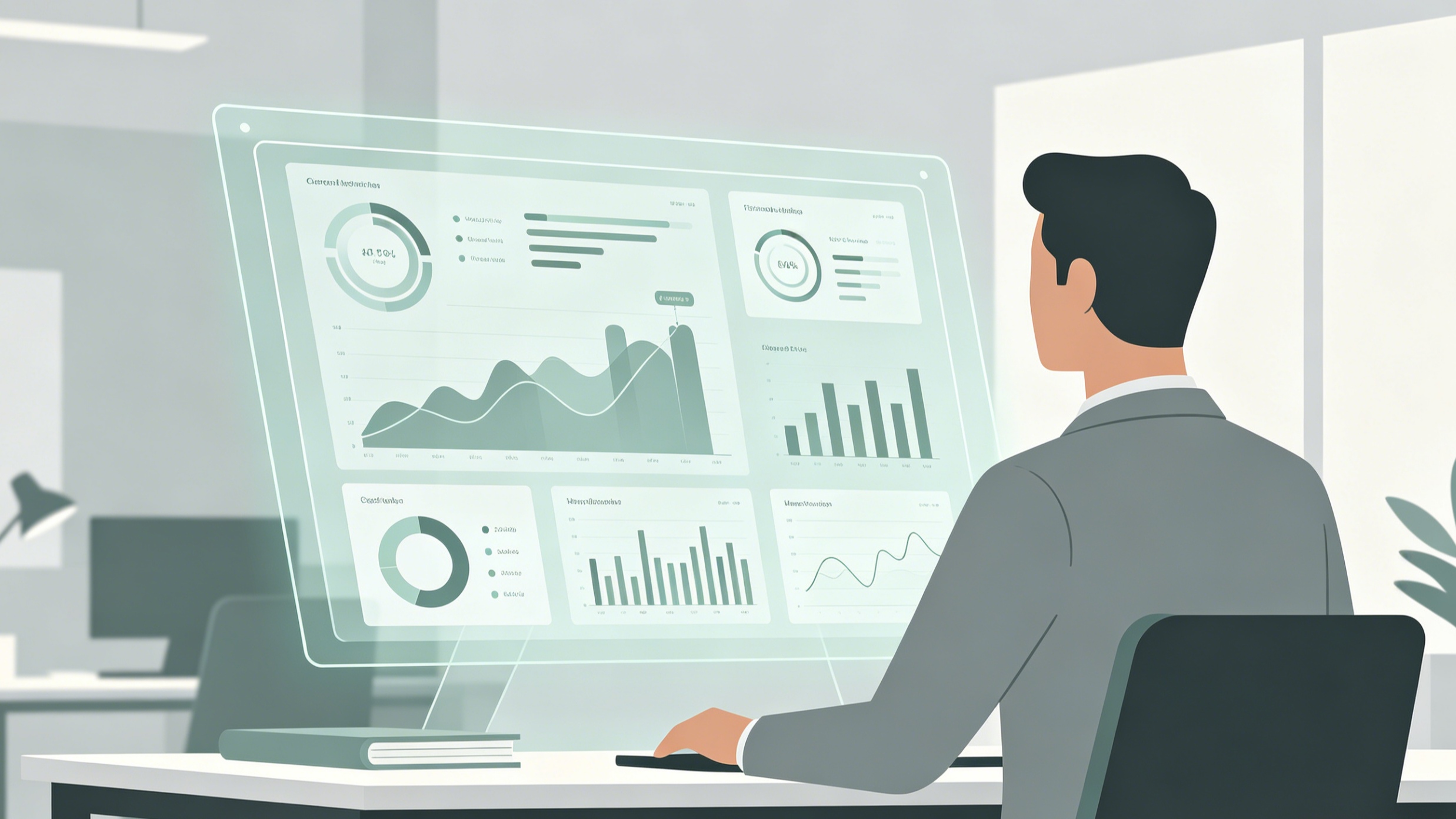
Traditional monitoring focuses on whether a system is "up or down." Modern management demands observability—the ability to understand the internal state of a system based on the data it produces. This involves tracking telemetry data, logs, and metrics in real-time. By implementing proactive monitoring, teams can identify performance bottlenecks or impending hardware failures before they impact the end-user experience.
Configuration Management and Standardization
One of the greatest enemies of stable infrastructure is "configuration drift," where systems slowly become inconsistent due to manual changes over time. Establishing standardized configurations for all hardware and software components simplifies troubleshooting and ensures that security patches are applied uniformly.
Capacity Planning and Resource Optimization
Managing infrastructure requires a forward-looking approach. Capacity planning involves analyzing current usage patterns to predict future needs. In the cloud, this translates to "right-sizing"—ensuring that instances are not over-provisioned, which wastes money, or under-provisioned, which leads to performance degradation.
Security and Compliance Integration
Infrastructure management and security are inseparable. This includes managing Identity and Access Management (IAM), ensuring data encryption at rest and in transit, and maintaining compliance with industry regulations such as GDPR, HIPAA, or PCI-DSS. A secure infrastructure is resilient against both external cyber-attacks and internal misconfigurations.
The Complexity of Hybrid and Multi-Cloud Management
The shift toward hybrid cloud environments—combining on-premises data centers with multiple public cloud providers like AWS, Azure, and Google Cloud—has introduced unprecedented complexity into infrastructure management.
The Challenge of the Single Pane of Glass
In a hybrid environment, IT teams often struggle with tool sprawl. Using different management consoles for each cloud provider creates silos of information. Effective management today requires a "single pane of glass"—a unified management platform that provides visibility across the entire hybrid ecosystem. Without this unified view, identifying the root cause of an issue that spans between a local database and a cloud-hosted application becomes a manual, time-consuming nightmare.
Data Sovereignty and Latency Issues
Managing hybrid infrastructure requires careful consideration of where data resides. Regulatory requirements may dictate that certain data stay within a specific geographic region (data sovereignty). Additionally, managing the latency between on-premises systems and the cloud is critical for performance-sensitive applications. Infrastructure managers must design architectures that minimize "hairpinning," where data travels unnecessary distances between environments.
Financial Management and FinOps
Cloud infrastructure brings a shift from Capital Expenditure (CapEx) to Operational Expenditure (OpEx). Without strict management, cloud costs can spiral out of control. Modern infrastructure management now includes a financial component, often referred to as FinOps, where teams continuously monitor cloud spend, eliminate "zombie" resources, and leverage reserved instances to optimize the budget.
Best Practices for Efficiency and Scalability
To thrive in the modern technological landscape, IT infrastructure management must adopt automated, repeatable, and scalable processes.
Implementing Infrastructure as Code (IaC)
Infrastructure as Code (IaC) is a transformative practice where server, network, and storage configurations are defined in machine-readable files (such as YAML or JSON) rather than through manual clicks in a GUI. By using tools like Terraform or Ansible, infrastructure can be version-controlled, tested, and deployed with the same rigor as application code. This eliminates human error and allows for the rapid recreation of environments in the event of a disaster.
Leveraging Automation for Routine Tasks
Manual intervention is the primary cause of downtime and slow response times. Automation should be applied to repetitive tasks such as:
- Patch Management: Automatically deploying security updates across thousands of servers.
- Backups: Ensuring data is consistently backed up and verified without human oversight.
- Scaling: Automatically adding or removing resources based on real-time demand.
Disaster Recovery and Business Continuity Planning
Infrastructure management is not complete without a robust Disaster Recovery (DR) plan. This involves defining Recovery Time Objectives (RTO) and Recovery Point Objectives (RPO). A well-managed infrastructure uses automated failover mechanisms and regular DR drills to ensure that the business can resume operations within minutes of a major outage.
Continuous Documentation
In many organizations, the infrastructure is a "black box" known only to a few senior engineers. Professional management requires continuous documentation of network topologies, IP schemas, hardware assets, and operational procedures. Modern tools can now auto-discover assets and generate dynamic documentation, ensuring that the records are always up to date.
IT Infrastructure Management vs. IT Operations (ITOps)
While often used interchangeably, IT Infrastructure Management (ITIM) and IT Operations Management (ITOM) have distinct focuses. Understanding this distinction is vital for organizational structure.
- IT Infrastructure Management (ITIM): Focuses on the "things"—the underlying physical and virtual components. It is concerned with the health, configuration, and lifecycle of the hardware, software, and networks that support services.
- IT Operations Management (ITOM): Focuses on the "processes" and "services." It is concerned with how the infrastructure is used to deliver value to the business, including service desk operations, application performance, and end-to-end service delivery.
In short, ITIM builds and maintains the road, while ITOM manages the traffic and ensures the vehicles (applications) reach their destination safely and on time.
Overcoming Common Implementation Challenges
Transitioning to a modern infrastructure management model is rarely a linear process. Organizations typically face several recurring hurdles.
Technical Debt and Legacy Systems
Many businesses are tethered to aging legacy systems that are difficult to manage and impossible to automate. These "technical debts" consume a disproportionate amount of the IT budget. Management strategies must include a phased decommissioning of legacy assets or their encapsulation within modern containers to reduce operational friction.
The Skills Gap
The move toward IaC, cloud-native architectures, and AIOps requires a different skill set than traditional hardware maintenance. There is a significant global shortage of IT professionals who understand both systems administration and software development (DevOps). Organizations must invest in continuous training and upskilling for their existing staff to stay relevant.
Shadow IT
Shadow IT refers to the use of IT systems, software, or services without explicit organizational approval. In the era of the cloud, a department can easily spin up its own AWS instance or sign up for a SaaS tool using a corporate credit card. This creates massive blind spots for infrastructure managers, leading to security risks and redundant costs. Effective management involves implementing policies that make it easy for departments to acquire authorized resources, thereby reducing the incentive for Shadow IT.
The Future: AIOps and Intelligent Infrastructure
The volume of data generated by modern infrastructure has surpassed the capacity of human analysis. The future of IT infrastructure management lies in Artificial Intelligence for IT Operations (AIOps).
Predictive Analysis and Self-Healing
AIOps platforms use machine learning to analyze vast quantities of telemetry data to identify patterns that precede a failure. Instead of reacting to an outage, an AIOps-driven system can predict a hardware failure days in advance. Furthermore, "self-healing" infrastructure can automatically trigger remediation scripts to resolve common issues, such as restarting a hung service or clearing a full disk partition, without any human intervention.
Edge and Distributed Infrastructure
As IoT devices proliferate, infrastructure management will increasingly occur at the "edge"—in retail stores, on factory floors, and in autonomous vehicles. This requires decentralized management models where local intelligence handles immediate processing while central management provides global orchestration.
Sustainability and Green IT
As data centers account for an increasing share of global energy consumption, infrastructure managers are being tasked with improving energy efficiency. This includes optimizing cooling systems, decommissioning underutilized hardware, and selecting cloud regions powered by renewable energy. Sustainable infrastructure management is becoming a key component of corporate social responsibility.
Summary
IT infrastructure management is a foundational discipline that ensures the stability and scalability of modern business. By focusing on the core pillars of observability, automation, and security, organizations can transform their IT environment from a reactive cost center into a proactive strategic asset. As the landscape continues to shift toward hybrid cloud and AI-driven operations, the ability to manage complexity through standardization and intelligent orchestration will be the primary differentiator for successful enterprises.
Frequently Asked Questions
What is the primary goal of IT infrastructure management?
The primary goal is to ensure that all technological components—hardware, software, and networks—are available, secure, and performing optimally to support the organization's business objectives while minimizing operational costs.
How does IT infrastructure management differ from cloud management?
IT infrastructure management is a broader discipline that includes physical on-premises hardware, networking, and data centers, whereas cloud management specifically focuses on optimizing and orchestrating resources within public or private cloud environments.
Why is automation critical for modern infrastructure?
Automation reduces the risk of human error, which is the leading cause of system outages. It also allows IT teams to scale operations without a linear increase in headcount, enabling them to focus on strategic improvements rather than routine maintenance.
What are the 3 main categories of IT infrastructure management?
Commonly, it is divided into Systems Management (servers and software), Network Management (connectivity and security), and Storage Management (data integrity and capacity).
What is "right-sizing" in infrastructure management?
Right-sizing is the process of matching the performance and capacity of cloud or physical resources to the actual demands of the workload. This prevents over-spending on unused capacity and avoids performance issues caused by insufficient resources.
-
Topic: Five Essentials of Modern IT Infrastructure Managementhttps://btbilgi.com.tr/wp-content/uploads/2019/06/five-essentials-of-modern-it-infrastructure-management.pdf
-
Topic: What Is IT Infrastructure Management? Best Practices and Guide - IT Glossary | SolarWindshttps://solarwinds.net/resources/it-glossary/it-infrastructure-management
-
Topic: What is Infrastructure Management (IM)? | Sumo Logic | Sumo Logichttps://www.sumologic.jp/glossary/it-infrastructure-management/