Home
Home
The Mellisy Shift: Why This Honeyed Aesthetic Is Taking Over in 2026
The digital and cultural landscape of 2026 has witnessed a peculiar yet soothing emergence: the rise of the Mellisy aesthetic. It is a movement that occupies the intersection of ancient mythology, botanical healing, and the sprawling ambient-pop soundscapes that dominated the late 2025 creative cycle. While the term might appear to be a simple linguistic variant of a classic name, it has transformed into a comprehensive lifestyle marker that emphasizes restorative sweetness, communal industry, and a connection to the natural world. This shift reflects a broader societal desire to move away from the harsh edges of the high-tech era toward something more organic, golden, and deeply rooted in the concept of 'honeyed' living.
The etymological hive: From Meli to Mellisy
To understand the current resonance of Mellisy, one must look back nearly three thousand years. The root of the word lies in the ancient Greek mélissa, which translates directly to 'honey bee.' This, in turn, is derived from meli, the word for honey. Historical linguistic research even traces this back further to the Hittite melit, suggesting that the association between this specific phoneme and the concept of sweetness is one of the oldest continuous linguistic threads in human history.
In the ancient world, the bee was not merely an insect; it was a symbol of divine order and the sacred feminine. The 'Mellisae' were priestesses, often associated with Demeter and Artemis, representing an initiated class that understood the secrets of nature. By the time we reached the mid-2020s, the spelling 'Mellisy' began to trend as a more colloquial, ethereal version of this ancient title. It softened the classic 'Melissa' and added a rhythmic, almost lyrical quality that appealed to a generation seeking to reinvent old archetypes for a new age. This transition from a formal name to a conceptual identity marks the beginning of what sociologists now call the Mellisy movement.
The sound of sweetness: Analyzing the 2025 musical evolution
A significant catalyst for this movement was the late 2025 release of the massive, 30-track collection titled Feeling. This body of work, produced under the Mellisy moniker, acted as a sonic blueprint for the aesthetic. The tracks—ranging from the ethereal Shadow Halo to the shimmering Infinite Shine—moved away from traditional verse-chorus structures in favor of 'liquid' compositions that mimic the slow, viscous flow of honey.
Listeners in 2026 have increasingly turned to these soundscapes as a form of auditory sanctuary. The production style often features high-frequency textures that evoke sunlight hitting glass, combined with deep, grounding bass lines. Songs like Mystic Radiance and Celestial Rise utilize repetitive, hypnotic motifs that align with the rhythmic buzzing of a hive, creating a sense of focused calm. This music does not demand attention; it permeates the environment, much like the scent of the plants associated with the name. It is a 30-chapter journey into the internal world of emotion, validating the 'Feeling' that the movement is named after.
The Nymph legacy: Nurturing as a modern value
In Greek mythology, Mellisy (or Melissa) was the nymph who saved the infant Zeus from his father Cronus. She did not feed the future king of the gods with milk, but with honey, giving him an eternal taste for divine sweetness. This mythic role of the 'divine nurse' is being reinterpreted in 2026 as a celebration of the 'nurturing self.'
Modern Mellisy culture rejects the 'hustle' mentality in favor of 'industry with purpose.' Just as a bee is incredibly industrious but works toward the survival and sweetness of the entire hive, the Mellisy aesthetic encourages productivity that is balanced with self-care and community support. It is a rejection of individualistic competition. People identifying with this shift often focus on creating 'micro-hives'—small, tight-knit social circles where resources, emotional support, and creative ideas are shared freely. The nymph archetype serves as a reminder that strength can be found in the act of sustaining others and oneself through natural, gentle means.
Botanical tranquility: The role of Lemon Balm
No exploration of Mellisy is complete without mentioning Melissa officinalis, commonly known as lemon balm. This herb, which shares its name with the honey bee, has been used since the Middle Ages to reduce stress and anxiety. In 2026, the plant has seen a resurgence in urban gardening and holistic wellness circles.
The 'Mellisy lifestyle' involves a conscious integration of these botanical elements. It is not just about the plant itself, but what it represents: the ability to transform common soil into a fragrance that attracts pollinators and heals humans. The crushed leaves of lemon balm emit a scent that is both citrusy and sweet, a duality that defines the Mellisy persona—bright and refreshing, yet grounded and comforting. This connection to the earth provides a necessary tether for a population that spends a significant portion of its life in digital spaces.
The visual language of 2026: Honey and Haloes
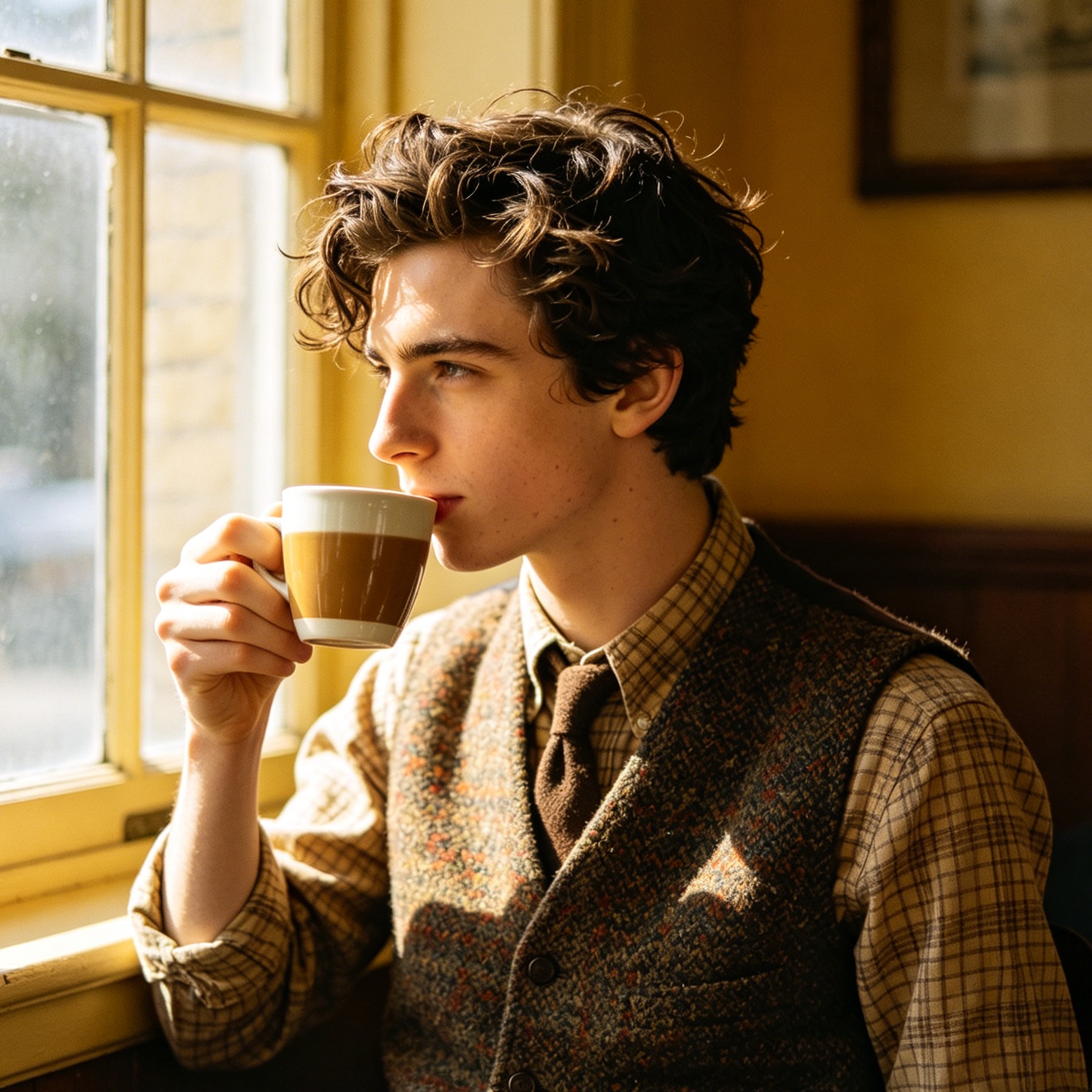
Visually, the Mellisy aesthetic is unmistakable. It is characterized by a specific palette of 'honeyed tones'—amber, ochre, warm gold, and soft cream. Unlike the neon-soaked aesthetics of previous years, Mellisy visuals rely on natural light and 'glowing edges.'
On social platforms, this manifests as a preference for soft-focus photography, often featuring the 'halo effect' mentioned in the music of the same name. There is a focus on textures that are tactile and inviting: raw silk, beeswax, weathered stone, and polished wood. The goal is to create a visual environment that feels 'pre-warmed,' as if every image is bathed in the light of a perpetual golden hour. This visual language is designed to trigger a parasympathetic nervous system response, inducing a state of relaxation and receptivity.
The Hive Mind reimagined: Community in the age of Mellisy
While 'hive mind' was once a derogatory term used to describe unthinking collective behavior, the Mellisy movement has reclaimed it to mean collective intelligence and shared joy. In 2026, we see this in the rise of decentralized creative collectives. These groups operate on the principle that many small contributions create a massive, sweet result—much like the 30 songs that comprise a single 'Feeling.'
This communal aspect is perhaps the most vital part of the Mellisy shift. It acknowledges that human beings, like bees, are social creatures who thrive in structured but flexible environments. The 'Mellisy' way of interacting is marked by a certain 'modesty' and 'silence,' reminiscent of the priestesses who refused to reveal the mysteries under pressure. It values the sanctity of the private world and the importance of meaningful, quiet work over loud, performative displays of success.
Why Mellisy matters now
The popularity of this term and aesthetic in 2026 is a reaction to the fragmentation of the early 2020s. After years of digital noise and social disconnection, the image of the honey bee—orderly, sweet, and essential to the ecosystem—offers a powerful metaphor for a better way to live.
Mellisy is not a trend that demands radical change; rather, it suggests a 'periodic regeneration.' It invites individuals to shed the suffering of the past and draw 'souls down to be born' into a new state of being, much like the ancient philosophers believed the bee nymph could do. It is a movement of recovery. Whether it is through the ambient textures of a 2025 synth track or the ritual of brewing a cup of lemon balm tea, the essence of Mellisy remains the same: the discovery of honey in the midst of a wild and often chaotic world.
As we move further into 2026, the influence of Mellisy is likely to expand beyond music and aesthetics into urban planning and social policy, where the 'hive model' of sustainable, interconnected living is being studied with renewed interest. The honey bee has always been the keeper of divine sweetness, and in the current era, we are finally learning to listen to its hum once again.