Home
Home
The Textured Crop Haircut: How to Master 2026’s Most Adaptable Men’s Style
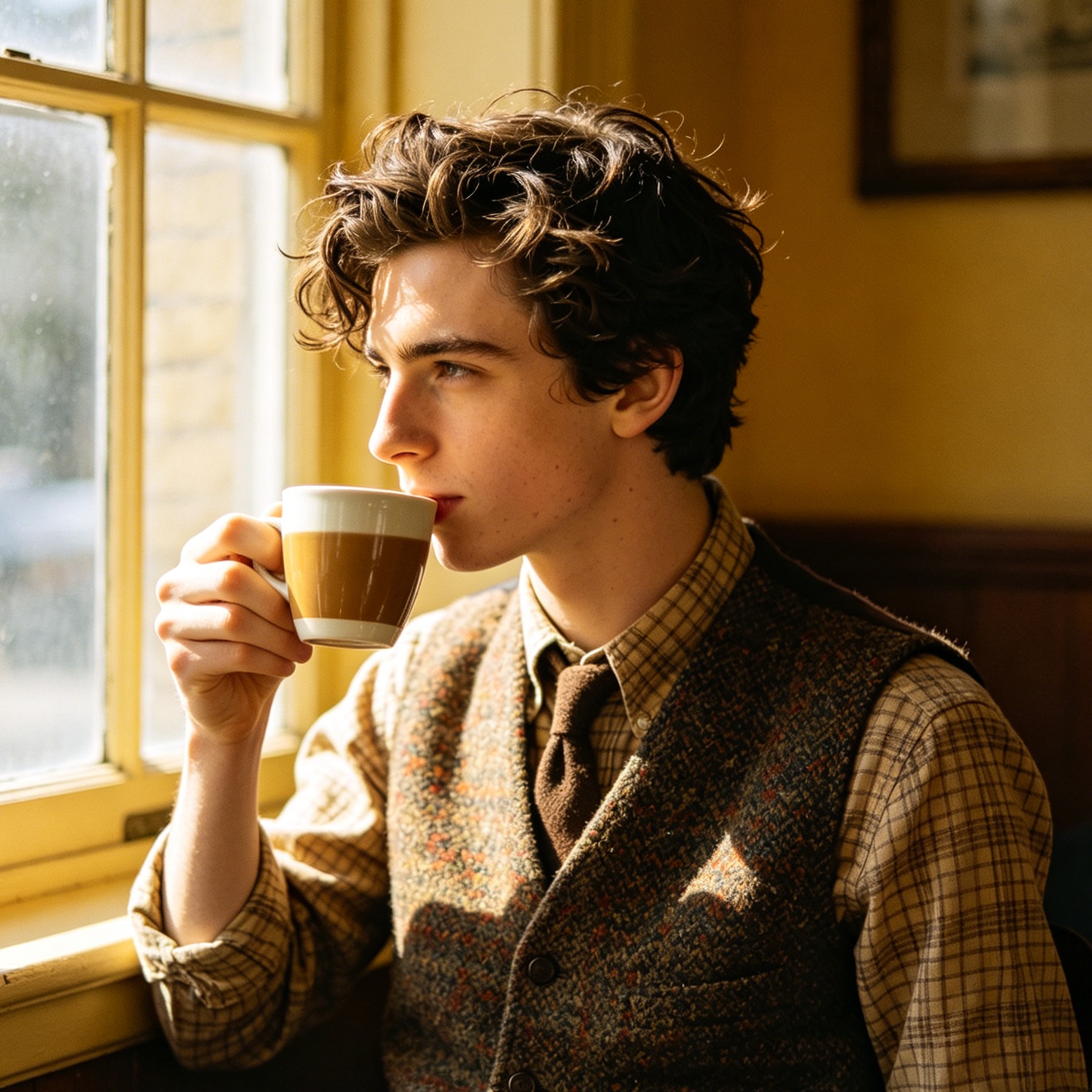
The textured crop haircut has solidified its position as the defining men's hairstyle of 2026. This look, characterized by its short back and sides paired with a choppy, layered top, balances the utility of classic military cuts with the effortless cool of modern street style. It remains popular because it solves a universal problem: the desire for a sharp, intentional appearance that requires minimal morning effort. Whether navigating a corporate boardroom or a casual weekend, the textured crop offers a versatile canvas that adapts to the wearer’s specific facial structure and hair density.
Understanding the Anatomy of a Modern Textured Crop
To appreciate why this haircut works, one must understand its basic architecture. The modern textured crop is not a single rigid style but a framework. At its core, the haircut features significant weight removal from the top sections to create "piecey" separation. Unlike the flat, uniform surface of a crew cut, the textured crop uses varying lengths to encourage natural movement.
The fringe is perhaps the most critical component. In 2026, the trend has shifted away from the extremely blunt, horizontal fringe of previous years toward a more jagged, irregular finish. This "broken" fringe softens the forehead line and allows for more flexible styling—it can be worn straight down, pushed slightly to the side, or tousled for a messy effect.
Technically, barbers achieve this through point-cutting, where the shears are angled into the hair rather than cutting straight across. This removes bulk while keeping length, creating the "hills and valleys" in the hair that catch the light and provide visual depth. For those with particularly thick or stubborn hair, thinning shears or even straight razors are employed to ensure the top doesn't become a monolithic block of hair.
Choosing the Right Fade for Your Textured Crop
The "sides and back" portion of the textured crop haircut is where the most customization happens. The choice of fade determines the overall vibe of the look, moving it from conservative to aggressive.
The Low Fade Crop
For a professional environment, the low fade is the preferred option. The taper begins just above the ears and follows the hairline around to the nape of the neck. This keeps the look grounded and sophisticated. It provides a clean finish without exposing too much scalp, making it an excellent entry point for men transitioning from longer styles.
The Mid Fade Crop
The mid fade is the gold standard for 2026. By starting the transition at the temple level, it creates a balanced silhouette that elongates the face slightly. This version offers enough contrast to make the textured top pop, yet it remains versatile enough for almost any social setting. It is the "all-rounder" that works with the highest variety of head shapes.
The High and Skin Fade Crop
For those seeking a high-contrast, edgy aesthetic, the high skin fade is the way to go. This version takes the sides down to the skin quickly, usually starting near the crown. This draws all visual attention to the texture on top. It requires more frequent maintenance—usually a touch-up every two weeks—to keep the transition sharp, but the impact is undeniable. It is particularly effective for men with darker hair, as the contrast between the skin and the hair creates a bold, graphic look.
The Drop Fade Variation
A contemporary twist in 2026 involves the drop fade. Instead of a straight line around the head, the fade "drops" behind the ear to follow the natural curve of the skull. This preserves some weight at the back, which is beneficial for men with flatter occipital bones, providing a more flattering profile view.
Adapting the Crop to Different Hair Types
One common misconception is that the textured crop haircut only works for men with thick, straight hair. In reality, the style's adaptability is its greatest strength.
Straight Hair: Creating Artificial Movement
Straight hair can often look limp or flat if not cut correctly. For this hair type, the barber must focus on heavy texturizing. By creating significant differences in length between adjacent strands, the hair is forced to lean against itself, creating volume. A matte clay is essential here to prevent the hair from falling back into its natural, flat state.
Wavy Hair: Embracing Natural Flow
Wavy hair is arguably the best texture for this haircut. The natural bend in the hair already provides the movement that straight-haired men try to replicate with product. For wavy hair, the crop should be kept slightly longer on top—around 2 to 3 inches—to allow the wave pattern to show without becoming unmanageable. This results in a "messy but controlled" look that is highly sought after.
Curly Hair: The Structured Coil
In 2026, we see more men embracing their natural curls within the crop framework. The curly textured crop keeps the sides tight to prevent a "mushroom" shape, while the top is layered to allow curls to stack neatly. This reduces the morning struggle with frizz and provides a clear, defined shape that looks intentional rather than overgrown.
Thin or Fine Hair: Building the Illusion of Density
The textured crop is a lifesaver for men with thinning hair. By fading the sides very short, the hair on top appears thicker by comparison. Furthermore, the choppy layers prevent the hair from clumping together and exposing the scalp. Instead, the hair is spread out in a way that maximizes coverage and creates the illusion of a fuller head of hair.
Face Shape Compatibility and Visual Correction
A great haircut is as much about geometry as it is about fashion. The textured crop can be tweaked to balance out various facial features.
- Round Faces: To avoid making a round face look more circular, the sides should be kept extremely tight (a high fade), and the top should be styled with some height. This adds verticality and slims the face.
- Square Faces: The textured crop is naturally suited to square faces. The messy, irregular texture on top softens the harsh angles of a strong jawline. A mid-fade typically works best here.
- Oval Faces: Most variations work here, but one should be careful not to add too much height, which could make the face appear unnecessarily long. A blunt-ish fringe can help "shorten" the face if needed.
- Long/Oblong Faces: Avoid high fades that add height. Instead, opt for a low taper and a longer, forward-swept fringe to cover some of the forehead, effectively balancing the facial proportions.
2026 Styling Trends: The Return of the Matte Finish
The era of high-shine pomades and slicked-back looks has largely taken a backseat to the matte, natural finish in 2026. The goal for a textured crop is to look as if there is no product in the hair at all, even though several steps might have been taken to achieve the look.
The Essential Toolkit
- Sea Salt Spray: Applied to damp hair, this provides a "gritty" base that helps the hair clump into sections.
- Matte Clay or Paste: These products provide a strong hold without the grease. They are perfect for defining individual sections of the crop.
- Texture Powder: A 2026 favorite. A small amount of silica-based powder at the roots provides instant volume and a dry, lived-in feel.
The Daily Routine
Start with towel-dried hair. Spritz a small amount of sea salt spray and use a blow dryer on a medium setting. Use your fingers to ruffle the hair while drying—do not use a brush, as this will make the hair too neat and flat. Once dry, take a pea-sized amount of matte clay, rub it vigorously between your palms until it disappears, and then work it through your hair from back to front. Finish by using your fingertips to "pinch" the ends of the fringe and top layers to create that signature textured separation.
How to Communicate with Your Barber
Walking into a shop and simply asking for a "textured crop" might lead to inconsistent results. To get exactly what you want, you should be specific about the technical details.
The Sides: Specify the grade or the type of fade. For example: "I want a mid-skin fade that drops at the back." The Top: Talk about the texture. Instead of saying "make it messy," say "I’d like a lot of point-cutting on top to remove bulk and create texture." The Fringe: This is the most visible part. Be clear if you want it blunt, choppy, or swept to the side. Most 2026 crops benefit from a "jagged fringe cut roughly at mid-forehead." The Weight: If your hair feels heavy a week after a cut, ask your barber to use thinning shears or a razor on the interior layers to lighten the load.
Maintenance and Long-Term Care
The textured crop is low-maintenance on a daily basis, but it requires regular professional upkeep to stay looking sharp. Because the sides are usually faded, the growth becomes noticeable quickly. To maintain the crispness of a skin fade, a visit every 2 to 3 weeks is ideal. If you opt for a taper or a longer fade, you can push this to 4 or 5 weeks.
Between cuts, keep your scalp healthy. Because the textured crop relies on products like clays and powders, product buildup can occur. Using a clarifying shampoo once a week ensures your hair remains light and responsive to styling. Additionally, avoid over-washing; washing your hair 2-3 times a week is usually sufficient to maintain natural oils, which actually help the hair hold its texture better.
The Professional and Lifestyle Verdict
Why does the textured crop haircut persist as a top choice? It bridges the gap between different facets of a man's life. In a professional setting, the clean-cut sides project a sense of discipline and grooming. In a creative or casual setting, the textured top allows for a degree of self-expression and relaxed energy.
It is a "democratized" hairstyle—it doesn't require a specific designer wardrobe or a certain personality type to pull off. It is grounded, masculine, and inherently modern. As we move through 2026, the variations will continue to evolve, perhaps incorporating more "mullet" elements at the nape or even more aggressive disconnected sections, but the core principle remains the same: short, sharp, and textured.
For the man who values his time but refuses to compromise on his aesthetic, the textured crop is more than just a trend—it is a functional grooming solution. It respects the natural behavior of hair while providing a structured frame that enhances the face. If you are looking for a change that feels fresh without being high-risk, this is the style to explore. Bring a photo to your next appointment, but remember that the best version of this cut is the one tailored specifically to your unique features and hair growth patterns. Consistency with a skilled barber is the final piece of the puzzle, ensuring that your crop remains a signature part of your personal brand.
-
Topic: The Best Textured Crop Haircuts for Men in 2025https://www.evolutionvasso.com/blogs/news/best-textured-crop-haircuts-for-men?srsltid=AfmBOor5w-fXd45Qtx0lNwPPEfonIvceNIn72pH_JZPRBQ0O19u_2IEY
-
Topic: 15 Textured Crop Haircuts for a Modern Vibe - Das’it Barbershophttps://www.dasitbarbershop.com/15-textured-crop-haircuts-for-a-modern-vibe/
-
Topic: Textured Crop Haircuts for Men (2026): Fades, French Crop & Stylehttps://haircutsformens.com/textured-crop-haircuts-for-men/