Home
Home
The Truth About Seeing Who Viewed Your Facebook Profile

Facebook remains the dominant force in global social media, serving billions of users who share their lives, thoughts, and photos daily. With such a massive digital footprint, a question naturally arises for almost every user at some point: Can I see who has viewed my Facebook profile? Whether driven by curiosity about a secret admirer or concern over potential "stalking," users are desperate for a way to peel back the curtain of anonymity.
The definitive answer is no. Facebook does not provide a feature that allows you to see who has viewed your profile, how often they visit, or even if they have glanced at your page in passing. This lack of transparency is not a technical oversight; it is a fundamental pillar of Facebook's privacy architecture. Despite this, the internet is flooded with "hacks," third-party apps, and browser extensions claiming to offer this forbidden data.
Why Facebook Keeps Profile Views Private
The decision to keep profile visitors anonymous is deeply rooted in user behavior and platform longevity. Unlike professional networking sites like LinkedIn, which offer a "Who Viewed Your Profile" feature to encourage professional connections, Facebook is built on social consumption.
Privacy as a Product Feature
Facebook’s primary goal is to keep users browsing the News Feed for as long as possible. If users knew that every time they clicked on a friend's profile or searched for an old high school acquaintance, the other person would be notified, it would create "browsing anxiety." People would become hesitant to explore the platform freely. By ensuring that viewing a profile is a silent act, Facebook maintains a high level of user engagement.
Data Security and API Restrictions
From a technical standpoint, Facebook’s Application Programming Interface (API)—the gateway that allows different software to communicate—does not expose profile visitor data. Since the Cambridge Analytica scandal, Facebook has significantly tightened its data sharing policies. There is no legitimate pathway for an external developer to access logs that show who visited a specific URL on the platform. Any app claiming otherwise is either guessing or engaging in data theft.
The Dangers of Third-Party Profile Viewer Tools
Searching for "who viewed my FB profile" on any app store or search engine will yield hundreds of results. These tools often promise "100% accuracy" and "real-time alerts." However, these applications are not just ineffective; they are actively dangerous to your digital security.
How These Scams Work
Most of these apps follow a predictable pattern. They ask you to log in with your Facebook credentials to "sync" your data. Once you provide your username and password, you are giving the app developers full access to your account.
Instead of showing you your profile viewers, these apps often:
- Steal Personal Information: They scrape your messages, friend lists, and private photos to sell on the dark web or to unscrupulous marketing firms.
- Install Malware: Many browser extensions designed for this purpose contain malicious code that can track your keystrokes (keyloggers) or redirect your browser to phishing sites.
- Spam Your Friends: Once they have control of your account, they may send links to these same fake apps to your entire contact list, appearing as if the recommendation came from you.
- Financial Fraud: If your Facebook account is linked to an ad account or has saved payment methods, these scammers can drain your funds by running unauthorized ads.
Identifying Fake Claims
If an app claims it can bypass Facebook’s security protocols, it is lying. No browser extension can "unlock" a feature that doesn't exist on the server side. If you have already installed one of these tools, it is highly recommended that you remove it immediately, change your Facebook password, and enable Two-Factor Authentication (2FA).
Debunking Common "Profile Tracking" Myths
Over the years, several "urban legends" have circulated within the Facebook community, suggesting secret ways to find out who is looking at your page. Let’s break down the most persistent ones and explain why they are inaccurate.
The "InitialChatFriendsList" Source Code Trick
One of the most famous myths involves right-clicking on your Facebook profile, selecting "View Page Source," and searching for the term initialchatfriendslist. The long strings of numbers following this term are indeed User IDs. Many bloggers claim that the first ID in this list is the person who viewed your profile most recently.
The Reality: This list is actually the algorithmically generated order of your friends in the chat sidebar. It is based on who you interact with most frequently—those you message, those whose posts you like, and those who like your content. It reflects active engagement, not passive viewing. Someone who never visits your profile but chats with you daily will likely be at the top of this list.
The "People You May Know" Algorithm
Users often notice that after meeting someone in real life or visiting their profile, that person suddenly appears in the "People You May Know" (PYMK) section. This leads many to believe that if someone appears in your PYMK, it’s because they were looking at your profile.
The Reality: The PYMK algorithm is incredibly complex, but it does not rely on profile views. It uses:
- Mutual Friends: This is the strongest indicator.
- Shared Networks: Same school, workplace, or hometown.
- Contact Syncing: If you or the other person uploaded your phone’s contact list to Facebook.
- Shared Groups or Events: Being in the same niche community.
- Location Data: If both users have location services enabled and were in the same physical vicinity.
The Order of the Friends List
If you go to your profile and look at your friends list, the order is not random. Some believe the people at the top are those who stalk your page the most.
The Reality: Similar to the chat list, this order is determined by engagement. Facebook prioritizes the friends you interact with most to make it easier for you to find them. If you haven't spoken to someone in years, they will sink to the bottom of the list, regardless of whether they occasionally look at your photos.
Legitimate Ways to Monitor Engagement and Activity
While you cannot see who is "lurking" silently, Facebook does offer several features that show you who is actively engaging with your content. These are the only official ways to see who has been on your profile or interacting with your digital life.
Facebook Stories Viewers
Unlike a standard profile visit, Facebook Stories (the photos or videos that disappear after 24 hours) provide a complete list of viewers. When you post a Story, you can swipe up to see exactly who watched it. This is the only part of the platform where Facebook provides a specific "who saw what" list. If a specific person consistently appears in your Story views but never likes your posts, it’s a strong indication that they are keeping tabs on your profile.
Professional Mode Insights
If you have "Professional Mode" turned on (a feature designed for creators and public figures), you gain access to "Professional Dashboard" insights.
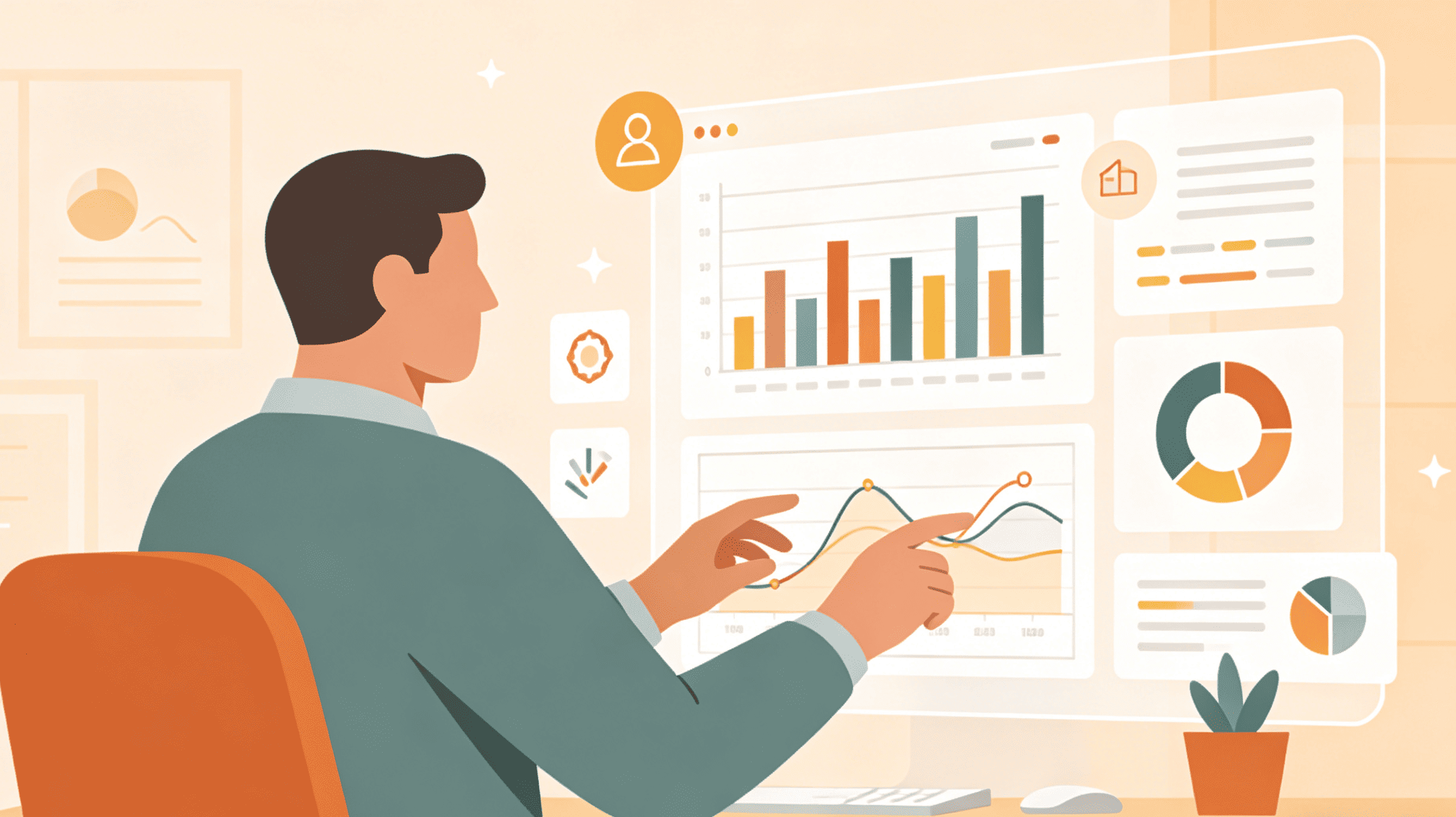
- What it shows: It will show you the number of profile visits you received over a specific period (e.g., the last 28 days). It also shows reach, engagement, and follower growth.
- What it doesn't show: It will not give you the names or specific profiles of the visitors. You will see "500 profile visits," but you will not know who those 500 people were. This is consistent with Facebook's privacy policy of aggregating data rather than identifying individuals.
Interactions (Likes, Comments, Shares)
This is the most obvious but often overlooked metric. Your notifications tab is a direct record of profile interaction. While someone can view your profile without leaving a trace, those who like a post from three years ago or "love" a photo are leaving a digital breadcrumb.
Followers List
If you allow people who aren't your friends to follow you, you can see your list of followers. Many people will "Follow" a profile to see their public updates without sending a friend request. Checking your followers list under the "Friends" tab can reveal people who are interested in your content but haven't formally connected with you.
How to Protect Your Profile from Unwanted Viewers
If your concern about who is viewing your profile stems from a need for privacy or safety, you don't need to see "who" they are; you simply need to control "who" can see you. Facebook provides robust tools to lock down your information.
Using the Profile Lock Feature
In certain regions, Facebook offers a "Profile Lock" feature. When enabled:
- Only friends can see the photos and posts on your timeline.
- Only friends can see your full-size profile picture or cover photo.
- Any posts you’ve shared in the past to "Public" will change to "Friends."
- Only a limited portion of your "About" info will be visible to everyone.
To enable this, go to your profile, tap the three dots (...) below your name, and select Lock Profile.
Auditing Your Privacy Settings
If Profile Lock is not available in your area, you can manually achieve the same results through the Settings & Privacy menu.
- Who can see your future posts?: Set this to "Friends."
- Limit the audience for posts you’ve shared?: Use the "Limit Past Posts" tool to instantly hide old public content from strangers.
- Who can see your friends list?: Setting this to "Only Me" prevents people from mapping your social circle.
- Who can look you up using the email/phone number you provided?: Set these to "Only Me" or "Friends of Friends" to prevent strangers from finding you via search engines or contact lists.
Managing Active Sessions and Security
Sometimes, the fear that someone is "viewing" your profile is actually a fear that someone has gained access to your account.
- Go to Settings & Privacy > Settings > Accounts Center > Password and Security.
- Tap Where you're logged in.
- Review the list of devices. If you see a device or location you don't recognize, tap on it and select Logout.
- Immediately change your password and ensure Two-Factor Authentication is active.
The Psychological Aspect: Why We Want to See Our Visitors
The obsession with profile visitors speaks to a fundamental human desire for social validation and safety. On platforms like LinkedIn, knowing who viewed your profile is a professional advantage—it tells you which recruiters or companies are interested. On social platforms like Facebook, however, the desire is more personal.
Knowing someone is looking at your profile provides a sense of being "seen" or "important." Conversely, for those dealing with harassment, the inability to see who is watching creates a sense of vulnerability. It is important to remember that social media is designed to be an asymmetrical experience; you can see what people want you to see, and they can do the same.
Conclusion
The quest to see who viewed your Facebook profile is a journey toward a dead end. Facebook’s architecture is designed to protect the anonymity of the viewer to ensure a frictionless browsing experience. While this can be frustrating for the curious or the cautious, it is a necessary compromise for maintaining a platform of this scale.
Avoid any app, website, or extension that promises to reveal your secret visitors. These tools are the digital equivalent of a "Trojan Horse," designed to exploit your curiosity to steal your data. Instead, focus on what you can control: your privacy settings, your story viewers, and your active security measures. By locking your profile and being mindful of what you share publicly, you can enjoy the benefits of social connection without the anxiety of unknown observers.
Summary Checklist for Privacy
- Accept the Reality: Facebook does not show profile viewers. Period.
- Delete Dangerous Apps: Remove any "Profile Tracker" software immediately.
- Check Stories: Use Facebook Stories if you want to see exactly who is looking at your content.
- Go Professional: Use Professional Mode for aggregate visit counts, but don't expect names.
- Lock Down: Use the "Lock Profile" or manual privacy settings to restrict your content to friends only.
- Secure the Entry: Regularly check your "Logged In" devices to ensure no one else has access to your account.
FAQ
Q: Is there any hidden setting in Facebook that I can turn on to see visitors? A: No. There is no hidden setting, even for Facebook employees or premium accounts. The data is simply not provided to users in any form.
Q: I saw a YouTube video showing how to use an extension to see my visitors. Is it real? A: No. These videos are often used to promote malware or to gain views through clickbait. The extensions they show often display a random list of your existing friends to make the tool look legitimate, but the data is completely fabricated.
Q: Can I see who views my Facebook videos? A: You can see the total number of views and certain metrics (like how long people watched), but for regular video posts, you cannot see the names of the individual viewers. Only Facebook Stories show names.
Q: Does Facebook notify someone if I search for their name? A: No. Facebook does not notify users when you search for them or view their profile. Your searches are private and are only used by Facebook to improve your own search suggestions.
Q: If I use "View As" on my own profile, does it count as a view? A: The "View As" tool is meant for you to see what your profile looks like to the public or specific friends. It does not count as a visitor view in any metrics.
Q: Can a Facebook Group admin see who viewed the group posts? A: In smaller groups (under 250 members), there was previously a feature to see "Seen by," but Facebook has largely phased this out or restricted it to ensure privacy. Admins generally cannot see a list of names for who viewed a specific post in a standard group.
-
Topic: How to See Who Viewed Your Facebook Profile? GlobalTechWorldhttps://globaltechworld.com/how-to-see-who-viewed-your-facebook-profile-real-guide-for-beginners/
-
Topic: 5 Ways to Check Who Viewed Your Facebook Profile » www.outreachplus.comhttps://www.outreachplus.com/how-to-check-who-checked-my-fb-profile/
-
Topic: How to Check Who Views Your Facebook Profilehttps://trucoteca.com/en/como-checar-quien-ve-tu-perfil-de-facebook/