Home
Home
What Cocktail Attire for Men Looks Like in 2026
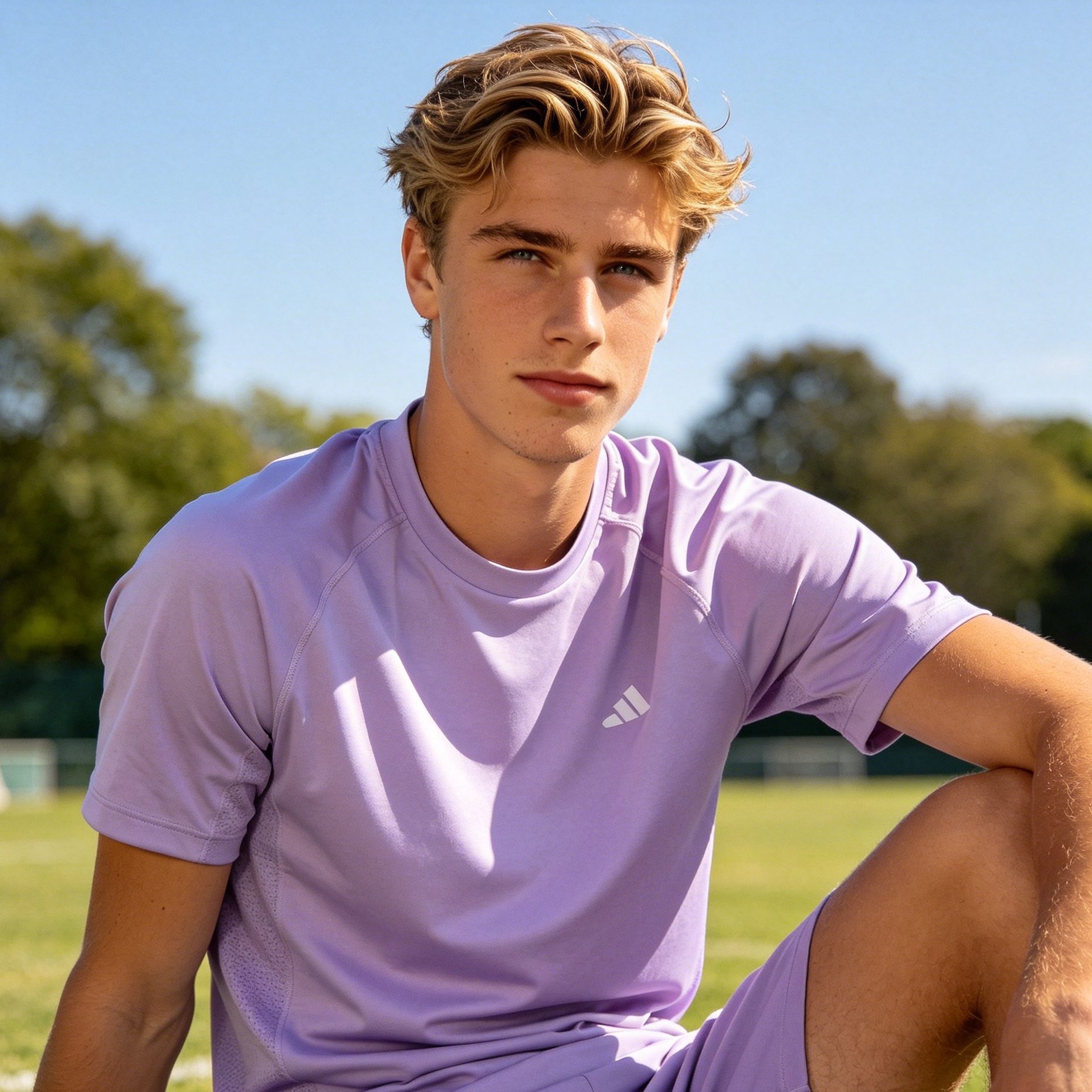
Navigating the social calendar in 2026 requires more than just owning a clean suit. As dress codes continue to evolve toward a blend of personal expression and traditional refinement, "cocktail attire" remains one of the most frequent yet misunderstood requests on an invitation. It occupies the crucial middle ground between the rigid formality of a tuxedo and the everyday utility of business casual. Getting it right is about mastering the art of the "polished pivot"—looking sharp enough for a toast but relaxed enough for a late-night conversation.
The modern definition of cocktail attire
At its core, cocktail attire for men is a semi-formal dress code designed for late afternoon and evening social events. In 2026, the interpretation has shifted slightly away from the uniform-like precision of the mid-20th century toward a more architectural and textured approach. While the navy suit remains a reliable anchor, the current standard encourages subtle variations in fabric and silhouette that reflect the wearer’s attention to detail.
The goal is to project an image that is elevated and intentional. It is not the place for denim, even high-end designer pairs, nor is it the place for a three-piece black suit, which often feels too corporate or somber for a celebratory atmosphere. Instead, think of cocktail attire as a celebration of smart tailoring.
The foundation: Suiting and separates
The dark suit remains king
For most evening events, a well-fitted suit in a dark, solid color is the safest and most effective choice. Charcoal grey and navy blue are the traditional heavyweights, but in 2026, we are seeing a significant rise in "midnight tones." These include deep forest green, rich burgundy, and a blue so dark it is nearly indistinguishable from black until it catches the light. These colors offer a level of sophistication that feels fresh and less aligned with office wear.
The fit in 2026 has moved away from the ultra-slim silhouettes of the past decade. The contemporary cocktail suit features a slightly more relaxed chest and a natural shoulder line, allowing for better movement. Trousers often feature a higher rise and perhaps a single pleat, providing a classic drape that looks impeccable when standing or seated.
The rise of elegant separates
In less formal or more creative environments, wearing a suit jacket and trousers that don't match—known as separates—is increasingly acceptable for cocktail attire. However, this requires a keener eye for coordination. A common approach involves pairing a textured blazer, such as one made from a wool-silk blend or a subtle hopsack, with contrasting tailored trousers. For instance, a navy blazer with mid-grey wool trousers is a timeless combination that satisfies the cocktail requirement without the formality of a full suit.
The shirt: Beyond the basic white
A crisp dress shirt is non-negotiable. While a white semi-spread collar shirt is the gold standard for its versatility and ability to make any complexion pop, 2026 trends suggest exploring tonal variations. Pale lavender, soft sage, or even a very light grey can add depth to your ensemble.
Fabric choice is equally important. High-twist cotton or cotton-Tencel blends are favored for their breathability and resistance to wrinkling—essential for events that involve hours of mingling. Avoid shirts with overly casual details like button-down collars or chest pockets, which lean too close to business casual. The focus should be on a clean, sleek placket and high-quality cuffs.
To tie or not to tie?
One of the most debated aspects of cocktail attire for men is the necessity of a necktie. In 2026, the answer is situational.
If the event is a wedding or a high-stakes corporate gala, a tie is often expected. A silk knit tie or a textured grenadine tie adds a layer of sophistication without the stiffness of a shiny satin office tie. Patterns should remain subtle—think small geometric prints or muted stripes rather than bold, distracting graphics.
For more relaxed cocktail settings, going "air-tie" (a buttoned-up shirt without a tie) or leaving the top one or two buttons undone is perfectly acceptable. If you choose the open-collar look, ensure your shirt has a strong enough collar structure to stand up under your jacket lapels. A sagging collar can instantly deflate an otherwise sharp look.
Footwear: The closing statement
Shoes are often the first thing people notice, and they can either anchor or undermine your cocktail attire. Leather dress shoes are the primary choice here.
- Oxfords and Derbies: Classic, polished, and undeniably appropriate. Black leather is the most formal, while dark brown or oxblood adds a touch of personality.
- Loafers: In 2026, the loafer has become a powerhouse in cocktail fashion. From horsebit loafers to sleek Belgian styles, they offer a refined yet comfortable alternative. Suede loafers are particularly effective for adding texture to a suit.
- Monk Straps: The double monk strap provides a stylistic bridge between the lace-up and the loafer, offering a modern edge that fits the cocktail vibe perfectly.
Regardless of the style, the shoes must be impeccably clean and polished. Socks should generally match the trousers to create a seamless visual line, though subtle patterns can be used if they don't clash with the rest of the outfit.
Essential accessories for 2026
Accessories in a cocktail setting should be used sparingly but effectively.
- The Pocket Square: This is perhaps the easiest way to elevate a suit. A simple white linen square in a TV fold is classic, while a puffed silk square with a subtle pattern can tie together the colors of your shirt and tie. Avoid matching your pocket square exactly to your tie; instead, look for complementary colors.
- The Timepiece: A dress watch with a leather strap or a clean metal bracelet is ideal. While smartwatches are ubiquitous, many find that a mechanical or high-end quartz dress watch aligns better with the elevated nature of cocktail attire.
- Cufflinks: If your shirt features French cuffs, choose simple, understated cufflinks. Silver or gold nodes are timeless and won't distract from the overall silhouette.
Seasonal adjustments and fabric choices
Cocktail attire for men must account for the environment. The 2026 fashion landscape emphasizes "technical naturalism"—using natural fibers treated for modern performance.
Spring and Summer
Lightweight fabrics are essential. A linen-wool-silk blend provides the breathability of linen with the structure of wool, preventing the excessive wrinkling that can make a pure linen suit look too casual for a cocktail event. Light greys, tans, and soft blues are appropriate colors for outdoor or daytime-to-evening transitions.
Fall and Winter
When the temperature drops, heavier fabrics like flannel or low-pile corduroy come into play. These textures add a rich, tactile dimension to your look. Deeper tones like burgundy, espresso, and charcoal are preferred. Layering with a fine-gauge merino wool turtleneck under a suit jacket is a highly stylish and warm alternative to the traditional shirt and tie for winter cocktail parties.
Occasion-specific guidance
Weddings
Cocktail attire is the most common dress code for weddings. For an evening reception, stick to a darker suit. For a daytime or coastal wedding, lighter colors and perhaps a more relaxed loafer are appropriate. The key here is to look sharp without overshadowing the wedding party.
Business Functions
Networking mixers and holiday parties require a balance of professionalism and social ease. A navy suit with a light blue shirt and no tie is often the perfect "power casual" look. It signals that you are off the clock but still a professional of high standards.
Creative and Festive Events
Gallery openings or holiday parties allow for more experimentation. This is the time to try a velvet blazer or a shirt with a subtle floral print. The rules are looser here, but the fit remains paramount.
Common pitfalls to avoid
Even with the right pieces, a few common mistakes can ruin the effect of cocktail attire for men:
- The "Business" Look: Wearing your daily office suit with a heavy laptop bag and scuffed shoes doesn't count as cocktail attire. The difference lies in the details—fresher colors, cleaner accessories, and an evening-ready attitude.
- Poor Fit: No matter how expensive the fabric, a suit that is too big in the shoulders or too long in the trousers will look sloppy. In 2026, tailoring is the ultimate luxury.
- Over-accessorizing: A tie bar, cufflinks, pocket square, lapel pin, and a bold watch all at once can be overwhelming. Choose two or three key accessories to focus on.
- Casual Footwear: While the world has become more casual, sneakers generally do not belong in a cocktail setting unless it is explicitly billed as "creative" or "casual cocktail."
The importance of grooming
In 2026, grooming is considered an extension of the outfit. A sharp haircut and well-maintained facial hair are essential components of the cocktail look. Whether you prefer a clean shave or a groomed beard, the key is intentionality. The same applies to scent—a light, sophisticated fragrance can enhance your presence, but it should never precede you into a room.
Conclusion: Confidence as the final layer
Ultimately, cocktail attire for men is about feeling confident in a heightened version of yourself. When your suit fits correctly, your shoes are polished, and your shirt is crisp, you no longer have to worry about your appearance. You are free to engage with the people around you and enjoy the event.
The guidelines for 2026 suggest a move toward quality over quantity and personality over rigid adherence to old rules. By choosing the right fabrics for the season, focusing on a modern fit, and paying attention to the small details, you can master any cocktail invitation that comes your way. The best-dressed man in the room is rarely the one wearing the most expensive outfit; he is the one who looks the most at ease in what he is wearing.
-
Topic: What Is Men’s Cocktail Attire? A Modern Style Guidehttps://www.menswearhouse.com/blog/weddings/what-is-cocktail-attire-for-men/?srsltid=AfmBOopx3E2StddWPyHog2jzB3ub9VsB3OJ_U5bm2Uo3ywGhGKxXtWBE
-
Topic: Cocktail Attire for Men | SUITSUPPLYhttps://suitsupply.com/en-je/journal/cocktail-attire-for-men.html
-
Topic: Cocktail Attire for Men: Navigating Social Dress Codeshttps://www.thefashionisto.com/dress-code/cocktail-attire-men-dress-code-guide/