Home
Home
What to Know About Malibu California Weather Right Now
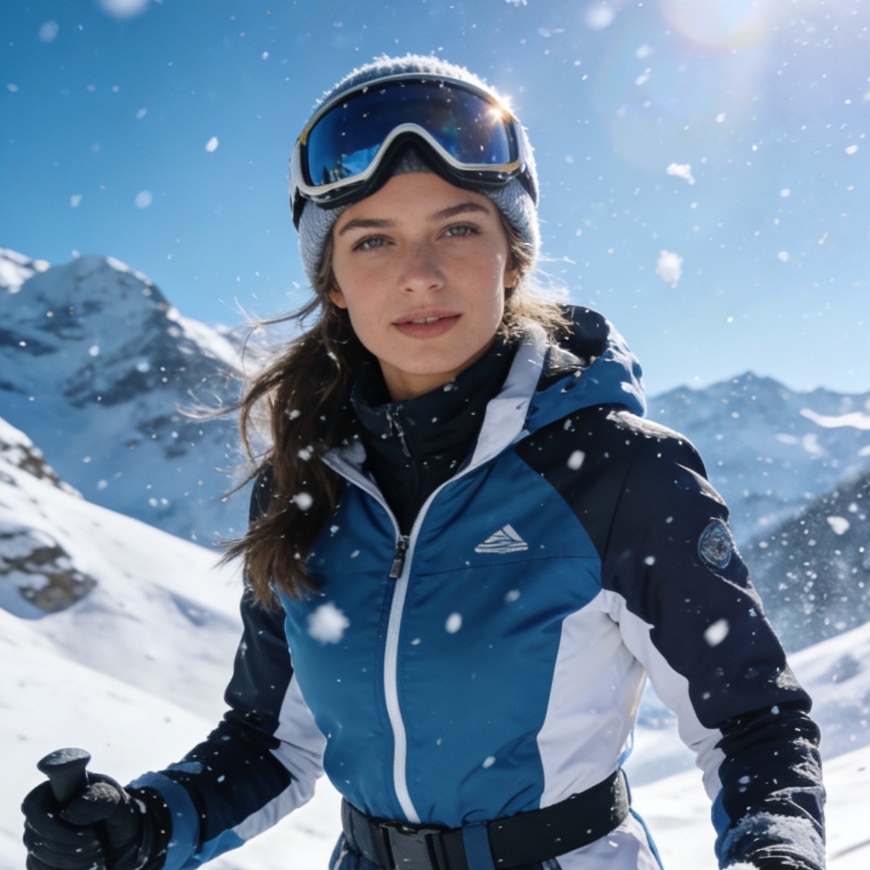
Malibu’s 21-mile coastline offers some of the most specialized weather patterns in Southern California. As of mid-April, the region is moving through a critical transition period where the cool Pacific influence battles the increasing inland heat. Understanding Malibu California weather requires looking past a simple daily forecast and acknowledging the dramatic shifts between the immediate shoreline and the rugged canyons just a few miles inland.
The Current Mid-April Climate Dynamics
Right now, Malibu is experiencing the early stages of the "Marine Layer" season. In mid-April, the temperature typically hovers between a low of 54°F at night and a comfortable high of 68°F during the day. However, these numbers are deceptive. Because the Pacific Ocean remains relatively cold this time of year—averaging around 58°F to 60°F—it acts as a massive natural air conditioner for the coast.
When inland valleys like the San Fernando Valley start hitting 80°F or 90°F, the hot air rises, pulling the cool, moist ocean air landward. This creates the famous coastal fog or "May Gray" (which often arrives in mid-April). If you are standing on Zuma Beach at noon, you might find yourself under a thick grey blanket with a temperature of 62°F, while a ten-minute drive up into the Santa Monica Mountains reveals bright sunshine and 75°F heat.
The Microclimate Breakdown: Coast vs. Canyons
One of the most defining characteristics of Malibu California weather is its radical microclimates. The city is essentially a thin ribbon of land sandwiched between the ocean and the mountains. This geography creates three distinct weather zones:
1. The Immediate Shoreline (PCH Corridor)
This zone includes areas like Carbon Beach, Malibu Pier, and Broad Beach. The weather here is dominated by the Pacific. Humidity is generally higher, and temperature swings are moderated. You will rarely see extreme heat here, but you will also experience the most persistent fog. Wind speeds at Zuma Beach in mid-April can often gust up to 15-20 mph in the afternoons as the sea breeze kicks in.
2. The Mid-Canyons and Mesa Lands
Areas like Point Dume or the lower parts of Latigo Canyon sit slightly higher or further back from the spray. Here, the marine layer often burns off two to three hours earlier than it does at the water's edge. Temperatures in these areas are typically 4°F to 7°F warmer than the beach during the day.
3. The Mountain Crests and Deep Canyons
Further up into the Santa Monica Mountains, the climate shifts toward a Mediterranean-interior hybrid. In the peak of spring and summer, these areas lose the ocean’s cooling effect entirely by mid-morning. During the night, however, cold air sinks into the canyon floors, meaning a morning hike in Solstice Canyon might start at a chilly 48°F before skyrocketing to 80°F by lunchtime.
Seasonal Transitions Throughout the Year
To plan effectively for Malibu, it is necessary to look at how the weather evolves beyond the current spring window. While many associate California with perpetual summer, Malibu’s seasons are distinct in their subtle ways.
Summer: The Battle with the Gloom (June - August)
Counter-intuitively, the early summer months can be some of the "gloomiest" on the beach. "June Gloom" is a real phenomenon where the marine layer can stay locked on the coast for days at a time. While the rest of Los Angeles is sweltering, Malibu residents might be wearing light sweaters until 2:00 PM. Highs average around 71°F to 74°F, though a heatwave can occasionally push the coast into the 80s.
Fall: The Clear and Warm Window (September - October)
Many locals consider this the best weather period. The marine layer weakens, and the ocean has had all summer to warm up (peaking around 66°F to 68°F). This is also the season of the Santa Ana winds. These are hot, dry winds that blow from the desert toward the ocean. During a Santa Ana event, Malibu California weather can become dangerously dry with temperatures spike into the 90s, bringing a significant increase in fire risk.
Winter: The Rainy Cycle (November - March)
Malibu receives the majority of its 12 to 15 inches of annual rain during these months. February is historically the wettest month. Winter storms coming off the Pacific can bring heavy downpours, which often impact the stability of the canyons and Pacific Coast Highway. However, between storms, winter days in Malibu are frequently crystal clear and sharp, with daytime highs near 66°F and some of the best sunset visibility of the year.
Spring: The Windy Rebirth (April - May)
As seen currently, spring is characterized by fluctuating pressure systems. It is the windiest time of year. For those interested in wind-dependent sports like kitesurfing or sailing, the northwesterly winds are most consistent now. The hills are also at their greenest, though this dries out rapidly as June approaches.
Ocean Conditions and Water Temperature
The Pacific Ocean is the primary engine behind Malibu’s weather, but the water itself requires respect. Even in the height of summer, the water temperature rarely exceeds 68°F.
- Winter/Spring (Now): Water temps range from 56°F to 59°F. A 4/3mm wetsuit is standard for surfers.
- Summer/Fall: Water temps climb to 63°F–68°F. A 3/2mm wetsuit or even a spring suit becomes viable.
The "upwelling" effect is common in Malibu. This occurs when strong winds push the warm surface water away from the coast, allowing deep, icy water to rise to the surface. It is possible for the air temperature to be 80°F while the water temperature drops to a bone-chilling 55°F in a matter of hours.
Weather Planning for Outdoor Activities
Hiking the Santa Monica Mountains
If you are planning to hit trails like Mishe Mokwa or Sandstone Peak, weather monitoring is vital. In the current April climate, sun exposure is high despite the cool breeze. The UV index often reaches 8 or 9 (Very High) by noon. Because the air is dry, dehydration happens faster than visitors expect. Always check the canyon-specific forecast, as it will differ from the beach report.
Surfing and Beach-Going
For those heading to First Point or El Matador, the wind is the biggest factor. Malibu California weather often features "onshore" winds starting around 11:00 AM, which can make the surf choppy and messy. Serious surfers usually look for the early morning window (6:00 AM to 9:00 AM) when the air is still cool and the wind is either "offshore" or calm.
Photography and Sightseeing
For the best photographic light, the post-storm winter days or the clear October afternoons provide the most dramatic results. The marine layer in the spring and summer tends to create a flat, grey light that can be disappointing for landscape photography, though it provides excellent soft light for portraits.
Understanding the Santa Ana Wind Risks
While not a daily occurrence, the Santa Ana winds are a critical part of the Malibu weather narrative. These offshore winds occur when high pressure builds over the Great Basin. As the air drops in elevation toward the coast, it compresses and heats up, while the humidity levels often drop into the single digits.
During these events, the usual coastal cooling is pushed miles out to sea. This is when Malibu experiences its highest temperatures and most extreme fire weather. For anyone living in or visiting the canyons, monitoring the National Weather Service "Red Flag Warnings" is a necessary safety habit during the fall months.
Logistics: Dressing for the "Malibu Layers"
Because of the 20-degree swings between morning fog and afternoon sun, the local "uniform" is built on layers. A typical day in mid-April requires:
- Morning: A windbreaker or light fleece to combat the damp marine layer fog.
- Midday: Standard summer attire (T-shirts/shorts) once the sun breaks through.
- Evening: A heavier sweatshirt or jacket, as the temperature drops immediately once the sun dips below the horizon. The lack of concrete and urban heat islands means Malibu cools down much faster than Santa Monica or Downtown Los Angeles.
Summary of Seasonal Averages
| Month | Avg High (°F) | Avg Low (°F) | Precipitation (in) |
|---|---|---|---|
| January | 66 | 50 | 3.2 |
| February | 66 | 51 | 3.6 |
| March | 67 | 52 | 2.5 |
| April (Current) | 68 | 54 | 0.8 |
| May | 69 | 57 | 0.3 |
| June | 71 | 59 | 0.1 |
| July | 74 | 62 | 0.0 |
| August | 76 | 63 | 0.0 |
| September | 76 | 62 | 0.2 |
| October | 74 | 59 | 0.6 |
| November | 70 | 53 | 1.2 |
| December | 66 | 50 | 2.3 |
Note: These are averages; individual years may vary based on broader climate patterns like El Niño or La Niña cycles.
In conclusion, Malibu California weather is a sophisticated system of maritime influence and mountain geography. Whether you are navigating the spring winds or waiting for the summer fog to lift, the key is to respect the microclimates. The weather at the pier is rarely the weather at the peak, and being prepared for both is the mark of a seasoned Malibu visitor.
-
Topic: Weather forecast Zuma Beach, California, Los Angeles County, Malibu: today, tomorrow, 10 dayshttps://windy.app/weather-forecast/Zuma+Beach-81572?alerts=lite
-
Topic: Malibu Beach Climate, Weather By Month, Average Temperature (California, United States) - Weather Sparkhttps://weatherspark.com/y/1707/Average-Weather-in-Malibu-Beach-California-United-States-Year-Round#Sections-Moon
-
Topic: Malibu Weather - California, UShttps://www.worldweatheronline.com/malibu-weather/california/us.aspx?day=20&tp=1