Home
Home
Why Broad Shoulders in Women Are the Ultimate Style Asset Right Now
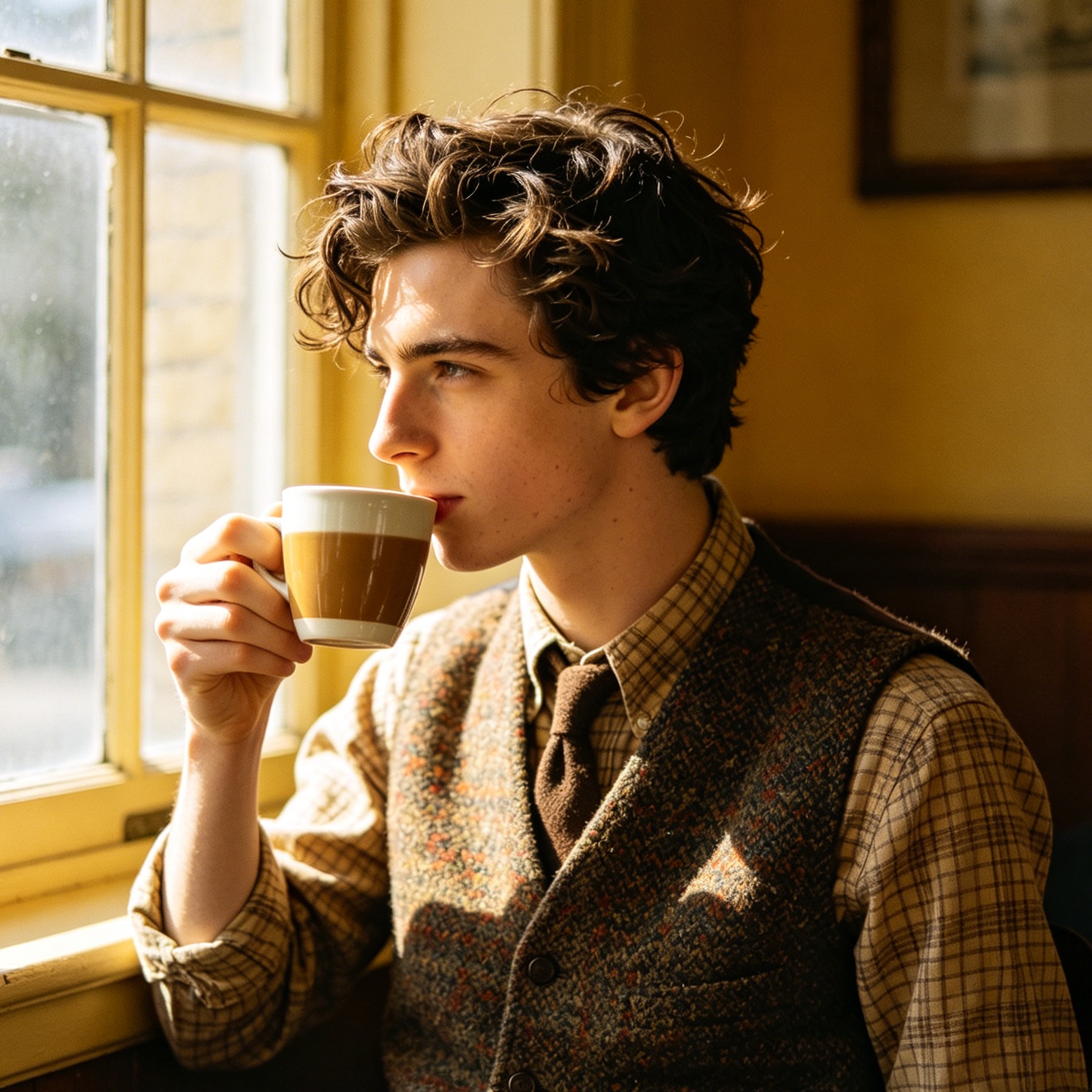
The aesthetic landscape of 2026 marks a definitive shift toward the "Statuesque Era," where the inverted triangle silhouette—characterized by strong, defined shoulders—is no longer a trait to be minimized, but a foundational asset of high-fashion styling. For many women, broad shoulders have historically been a source of sartorial frustration, often mislabeled as "masculine" or "difficult to dress." However, contemporary fashion intelligence recognizes that a wider shoulder line provides a natural hanger for clothing, allowing for a level of architectural draping that narrower frames cannot support. This structural advantage is the secret behind the most commanding runway looks and professional power-dressing strategies of the current decade.
The Shift Toward Strength-Based Aesthetics
Beauty standards are cyclical, but they are also reflective of societal values. In the current era, the focus has moved away from fragility toward vitality and presence. Broad shoulders in women are biological markers of skeletal strength and, often, athletic capability. From an evolutionary perspective, a wider upper frame can signal robustness and health. In the professional world of 2026, this physical presence translates into an aura of authority and confidence. The psychological impact of "taking up space" with one’s natural frame is a powerful tool in non-verbal communication.
Instead of searching for ways to hide the shoulders, the modern approach involves optimizing their proportions. This means understanding the difference between skeletal width (the distance between the acromion processes) and muscular width (developed deltoids). Both contribute to a frame that can carry bold fabrics, complex tailoring, and avant-garde silhouettes with an effortless grace that defines the current "quiet power" aesthetic.
Architectural Styling: The Science of Balance
Successful dressing for broad shoulders is not about concealment; it is about creating a harmonious visual flow. Because the shoulders are the widest part of the upper body, the goal is to manage horizontal lines and introduce vertical elements that elongate the torso.
The Power of Neckline Geometry
The neckline is the most critical element in framing the shoulders. In 2026, the trend has moved toward deep, precision-cut geometries.
- Deep V-Necks: This is the gold standard for broad frames. A deep V-cut creates a strong vertical axis that draws the eye inward and downward, effectively breaking up the horizontal expanse of the shoulders. It creates a secondary focal point toward the center of the chest rather than the outer points of the frame.
- Scoop and U-Necks: These rounded necklines soften the sharp angles of the shoulders. By exposing more of the decolletage, they create a sense of lightness that counteracts a heavy upper frame.
- Asymmetric and One-Shoulder Cuts: These are particularly effective in 2026. An asymmetrical line cuts across the shoulder width diagonally, disrupting the viewer's ability to measure the distance from point to point. It turns the shoulder into an artistic element rather than a geometric boundary.
- The Halter Neck: Contrary to older fashion myths, a well-cut halter can be incredibly flattering. By pulling the visual lines toward the neck, it highlights the strength of the shoulders while narrowing their perceived width.
Sleeve Construction and Shoulder Seams
The construction of a garment's sleeve determines whether the shoulder looks supported or exaggerated.
- Raglan Sleeves: This style, where the sleeve extends in one piece fully to the collar, eliminates the harsh vertical seam at the edge of the shoulder. This creates a sloped, softer transition that is ideal for daily wear.
- Dolman and Kimono Sleeves: These wide-cut sleeves integrate the shoulder into the body of the garment, removing any definition of where the shoulder ends and the arm begins. This is perfect for the relaxed, fluid silhouettes currently dominating luxury loungewear.
- Drop Shoulders: In the current oversized trend, the shoulder seam sits several inches below the actual shoulder point. This adds volume but removes the "sharpness" of the frame, giving a modern, effortless vibe.
- Styles to Approach with Caution: Cap sleeves and puff sleeves should be selected with care. A cap sleeve that ends at the widest part of the arm acts like a highlighter for shoulder width. If choosing puff sleeves, look for those where the volume starts lower on the arm rather than directly on top of the shoulder bone.
Fabric Selection and Draping Dynamics
The weight and texture of a fabric significantly influence how broad shoulders are perceived. In 2026, we prioritize fabrics that offer "fluid structure."
- Silk Charmeuse and Crepe de Chine: These fabrics have a natural drape that follows the contours of the body without adding bulk. They allow the shoulders to act as a pivot point for the fabric to flow downward.
- Lightweight Wool and Gabardine: For tailoring, these materials provide enough structure to look professional but are thin enough to avoid the boxy, linebacker effect of heavier tweeds.
- The GSM Factor: When shopping, pay attention to the Grams per Square Meter (GSM). For tops, a mid-range GSM (150-200) often provides the best balance—heavy enough to drape well, light enough not to add width.
- Avoid Stiff Synthetics: Fabrics that stand away from the body can make a broad frame look unnecessarily imposing. Opt for natural fibers or high-quality blends that respond to gravity.
Creating a Counterweight: The Lower Body
To achieve the classic hourglass or balanced rectangular silhouette, the lower half of the outfit must provide a visual counterweight to the shoulders. This is where many styling attempts fail—by wearing skinny jeans with a structured top, the upper body appears disproportionately heavy.
- Wide-Leg Trousers and Palazzos: These are the ultimate companions for broad-shouldered women. The volume at the hem balances the volume at the top, creating a symmetrical X-shape that is highly pleasing to the eye.
- A-Line Skirts: By flaring out from the waist, an A-line skirt mimics the width of the shoulders, making the waist appear significantly smaller in comparison.
- Detailed Hems: Patterns, ruffles, or bold colors on the lower half of a garment draw the eye downward, balancing the visual weight distribution.
Outerwear in the Modern Era
Jackets and blazers are often the biggest challenge. The 2026 approach to outerwear for broad shoulders focuses on deconstruction.
- Unstructured Blazers: Look for jackets without heavy internal padding. A "soft" shoulder construction allows your natural frame to provide the shape, resulting in a more modern and less stiff appearance.
- Longline Vests: Sleeveless coats or long vests are excellent for layering. They provide the vertical lines of a coat without adding any extra fabric to the shoulder area.
- Trench Coats with Raglan Sleeves: The classic trench remains a staple, but the most flattering versions for wider frames are those that avoid epaulettes (shoulder tabs), which only serve to add unnecessary height and width.
The Role of Fitness and Posture
Broad shoulders are most attractive when they are supported by good posture and balanced muscle tone. In the fitness culture of 2026, the "Shoulder-to-Waist Ratio" is a key metric of functional health.
- Upper Back Strength: Strengthening the rhomboids and mid-trapezius ensures that the shoulders stay back and down. Slouching on a broad frame can make one look closed-off or "heavy," whereas an open, upright posture makes the frame look elegant and statuesque.
- Defining the Deltoids: While some fear that working out will make their shoulders "too big," muscle definition actually creates shape and prevents the shoulders from looking like a flat, wide block. Toned shoulders have "peaks" and "valleys" that catch the light and create a more sculpted, athletic look.
- Core Stability: A strong core allows the torso to remain elongated, providing more vertical space between the ribs and the hips, which helps in balancing the upper body's width.
Accessories: The Final Polish
Accessories are the "punctuation marks" of an outfit, and for those with a wider frame, they should be used to direct the eye.
- Long Necklaces and Pendants: Any accessory that creates a V or Y shape on the chest is beneficial. Long chains that hit mid-torso are perfect for breaking up a solid-colored top.
- Vertical Scarves: Wearing a scarf long and untied creates two strong vertical lines down the center of the body, which is a simple yet effective way to narrow the silhouette.
- Earrings vs. Statement Necklaces: If you feel your shoulders are particularly dominant on a given day, opt for statement earrings to pull the focus up toward your face. Conversely, a bold, short necklace can sometimes create a horizontal line that emphasizes width.
- Handbag Placement: Avoid carrying a small bag tucked right under the arm (the baguette style), as this adds bulk to the chest and shoulder area. Instead, opt for crossbody bags or totes that hang at the hip level to add volume to the lower half of the body.
The Psychology of the Power Silhouette
Beyond fashion, there is a profound psychological advantage to having broad shoulders. In social and professional settings, a wide-shouldered frame is often subconsciously associated with reliability and leadership. This is the essence of "Power Dressing." When you stop trying to shrink yourself and instead lean into the natural architecture of your body, your confidence levels naturally rise.
In 2026, the most stylish women are those who occupy their space with intention. Broad shoulders are a gift of presence. They allow you to wear the clothes, rather than the clothes wearing you. Whether you are in a high-stakes boardroom or a casual social setting, owning your silhouette is the most attractive quality you can possess.
Summary of Best Practices
To master the look, remember these three core principles:
- Lead with Verticals: Use V-necks, long scarves, and unbuttoned jackets to slice through horizontal width.
- Balance the Base: Always ensure your lower half has enough volume (via cut or color) to match your upper half.
- Fabric Over Foam: Rely on your natural bone structure and high-quality, draping fabrics rather than artificial shoulder pads or stiff tailoring.
Broad shoulders are not a flaw to be corrected by fashion; they are a premium foundation for it. By understanding the geometry of your frame and the physics of fabric, you can transform your shoulders into your most striking and confident feature.
-
Topic: Are Broad Shoulders Considered Attractive on a Woman?https://ladysanity.com/are-broad-shoulders-attractive-on-a-woman/
-
Topic: How to Dress Broad Shoulders Women, Fashion Tipshttps://www.fashionacy.com/how-to-dress-broad-shoulders-women/
-
Topic: Broad Shoulders Are Back: Embrace Your Natural Power – velvetimagelabhttps://velvetimagelab.com/blogs/main/broad-shoulders-are-back-embrace-your-natural-power?srsltid=AfmBOopRQbpCH61IuEapQSXA7BRTwuQ4AhJYJxfDY2XL-E6EDDWFIP9I