Home
Home
Why Brown Hair Color Is the Ultimate Choice for Your Next Look
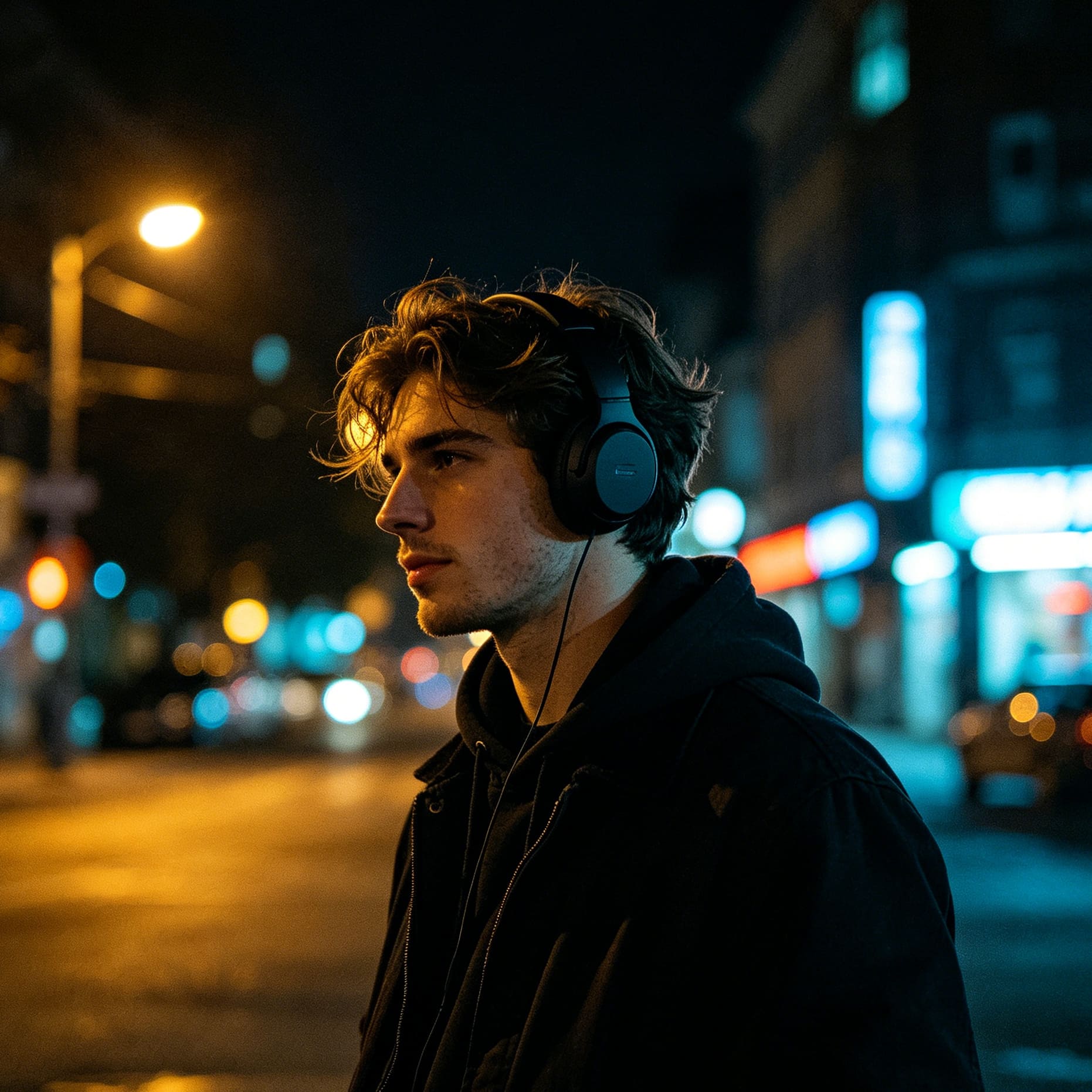
Brown hair color occupies a unique position in the world of beauty. Often dismissed as "basic," it is actually the most versatile, complex, and sophisticated spectrum in the hair industry. In 2026, the movement toward natural aesthetics and high-performance hair health has solidified brown hair color as the premier choice for those seeking both elegance and longevity. Whether it is the richness of a deep espresso or the sun-kissed glow of a light caramel, the brunette palette offers a customized solution for every skin tone and hair texture.
The Biology and Chemistry of Brown Hair
To understand brown hair color, one must look at the microscopic level. Human hair color is primarily determined by two types of melanin: eumelanin and pheomelanin. Brown hair is characterized by significantly higher levels of black and brown eumelanin and relatively lower levels of the reddish-yellow pheomelanin.
The concentration and distribution of these pigments define the specific shade. Light brown hair contains a moderate amount of brown eumelanin, whereas dark brown hair—often called brunette—is saturated with high concentrations of black eumelanin. This molecular density is why brown hair typically appears thicker and more reflective than lighter shades. It provides a natural filter against UV radiation, making the hair structure inherently more resilient compared to heavily bleached blonde hair.
Decoding Undertones: The Secret to the Perfect Match
Selecting a brown hair color is not about choosing a photo from a magazine; it is about harmonizing with the skin's underlying pigment. Professional colorists categorize skin tones into three primary groups: cool, warm, and neutral. Identifying which group a person falls into dictates the success of the brown shade.
Cool Undertones
People with cool undertones often have hints of pink, red, or blue in their skin. They tend to look best in silver jewelry and have veins that appear blue or purple. For these individuals, ash brown hair color is the gold standard. Ash tones utilize blue and green pigments to neutralize any unwanted redness in the skin. Shades like mushroom brown, smoky mocha, and iced latte are perfect examples of cool-toned brunettes that provide a modern, crisp finish.
Warm Undertones
Warm skin tones feature gold, yellow, or peach hues. Gold jewelry is typically more flattering for this group, and veins often appear greenish. To complement this warmth, brown hair color should lean into golden and reddish territories. Caramel, honey brown, chestnut, and mahogany are ideal. These shades add a healthy radiance to the complexion, mimicking the natural warmth found in a sunset.
Neutral Undertones
Neutral skin tones possess a balance of both cool and warm pigments, allowing for the greatest flexibility in brown hair color. Those with neutral skin can oscillate between cool ash and warm golden tones or settle into the "true brown" category, such as milk chocolate or neutral walnut. In 2026, the trend for neutral skin is "Greige Brown"—a sophisticated blend of gray and beige that offers a muted, high-fashion look.
The Spectrum of Brown Hair Color: From Light to Dark
The sheer variety of brunette shades allows for infinite customization. Understanding the nuances of the levels (the lightness or darkness) and tones (the hue) is essential for any successful color transformation.
Light Brown: The Gateway to Brightness
Light brown hair color is often only one or two levels away from dark blonde. It is the perfect choice for individuals who want to maintain lightness without the high maintenance of platinum blonde.
- Bronde: This hybrid of brown and blonde continues to be a top request. It utilizes a light brown base with fine, hand-painted blonde highlights (balayage) to create a multi-dimensional effect that looks natural and sun-bleached.
- Caramel Brown: This is a classic warm-leaning light brown. It works exceptionally well as a transition color and adds immense shine to the hair.
- Honey Brown: Slightly lighter and more golden than caramel, honey brown is ideal for brightening the face and softening facial features.
Medium Brown: The Heart of the Brunette Palette
Medium brown is the most common natural shade, but in the salon, it can be transformed into something extraordinary. This level provides enough depth to cover grays effectively while remaining light enough to showcase texture and movement.
- Chocolate Brown: Rich, indulgent, and vibrant. Chocolate brown can be customized into "Dark Chocolate" (cooler/deeper) or "Milk Chocolate" (warmer/softer). Its high pigment density makes it one of the longest-lasting shades.
- Mocha: A balanced medium brown that often incorporates a mix of cool ash and subtle warm tones. It provides a sophisticated, professional appearance that suits almost everyone.
- Walnut Brown: A slightly more rustic, earthy medium brown that emphasizes natural texture. It is often used in single-process coloring for a clean, uniform look.
Dark Brown: Depth and Intensity
Dark brown hair color, sometimes mistaken for black, offers a level of drama and intensity that lighter shades cannot match. It reflects light like a mirror when healthy.
- Espresso: A near-black brown with cool undertones. It is striking and elegant, providing a sharp contrast against fair skin or a seamless integration with darker complexions.
- Dark Chestnut: A deep brown with subtle red or reddish-brown undertones. This shade provides warmth and richness without being overtly "red."
- Black Coffee: The darkest possible brown, appearing almost black in low light but revealing deep brown dimensions under the sun.
Modern Techniques for Brown Hair Color
In 2026, the "flat" one-process color is a thing of the past. Dimensional techniques are used to ensure that brown hair color looks alive and dynamic.
Balayage and Foliage
Balayage is the art of hand-painting lightener onto the hair to create a graduated, natural-looking effect. For brunettes, this usually involves lifting certain sections to a light brown or golden blonde. Foliage is a similar technique but uses foils to accelerate the lifting process, resulting in higher contrast. These techniques are highly sought after because they allow for a seamless grow-out, with the natural roots blending into the colored mid-lengths.
Babylights and Lowlights
Babylights are extremely fine, delicate highlights that mimic the way hair naturally lightens in the sun. For brown hair, adding babylights in a shade only slightly lighter than the base creates a "glow from within" effect. Conversely, lowlights—shades darker than the base—are essential for adding shadow and depth, preventing the hair from looking like a solid block of color.
Glazing and Glossing
A hair gloss is a semi-permanent treatment that deposits color and seals the cuticle. For brown hair color, glosses are the secret weapon for shine. They can refresh a faded brown, neutralize brassiness in ash shades, or add a boost of warmth to golden brunettes. Glosses are acidic, meaning they help close the hair cuticle, resulting in a smooth surface that reflects maximum light.
The Technical Shift: From Blonde to Brunette
Transitioning from a light blonde or bleached state to a rich brown hair color is one of the most technical procedures in a salon. It is not as simple as applying brown dye over blonde hair. Because blonde hair lacks the underlying warm pigments (red and orange) that brown requires for stability, applying brown dye directly can result in a muddy, green, or translucent appearance.
The Filling Process
To achieve a successful dark transformation, a colorist must perform a "fill." This involves applying a demi-permanent color—usually in a copper or gold shade—to replace the missing pigment. Once this foundation is set, the target brown hair color is applied over the top. This ensures the brown is vibrant, even, and does not wash out after the first shampoo.
Managing Porosity
Bleached hair is highly porous, meaning the cuticle is open and cannot hold onto pigment easily. Using protein treatments and pH-balancing sealers during the transition to brown hair color is vital for ensuring the color stays locked within the hair shaft.
Maintenance: Keeping the Brown Vibrant
While brown hair color is generally lower maintenance than blonde, it is susceptible to two main issues: fading and brassiness. Proper aftercare is non-negotiable for maintaining the integrity of the shade.
Combatting Brassiness
All brown hair has underlying warm pigments. Over time, as the cool-toned dye molecules (which are smaller) wash out, the underlying orange and red tones begin to show. This is known as "turning brassy." To prevent this, individuals with cool brown shades should use a blue-toned shampoo once a week. Blue is the opposite of orange on the color wheel and will effectively neutralize those unwanted warm tones.
UV and Heat Protection
Sun exposure is the enemy of hair color. UV rays act as a natural bleach, breaking down the melanin and dye molecules in the hair. Wearing hats or using leave-in conditioners with UV filters is essential for brunettes, especially during the summer. Furthermore, heat styling should be kept to a minimum. High temperatures from flat irons and blow dryers can "cook" the color, leading to a dull, faded appearance. Always use a heat protectant spray that can withstand temperatures up to 230°C (450°F).
Sulfate-Free Care
Sulfates are harsh detergents that strip the hair of its natural oils and color. Using a sulfate-free, color-safe shampoo is the most basic yet effective way to prolong the life of brown hair color. These formulas are designed to gently cleanse without disrupting the hair cuticle.
The Psychology of Brown Hair
Beyond aesthetics, brown hair color often conveys a sense of stability, intelligence, and sophistication. Studies in color psychology suggest that brunettes are frequently perceived as more approachable and professional. In the professional world of 2026, many are choosing to return to their natural brown roots or opt for deep, rich brunette tones to project an image of authenticity and groundedness.
Customizing Brown Hair for Different Textures
Hair texture plays a significant role in how brown hair color is perceived.
- Curly and Coily Hair: Brown shades look beautiful on textured hair because they emphasize the shape of the curls. Using a multi-tonal approach with balayage can prevent the curls from looking like a single dark mass.
- Fine Hair: For those with fine hair, dark brown color can actually make the hair appear thicker. The pigment adds a layer of density to each strand, and a solid, rich color minimizes the appearance of the scalp through thin sections.
- Straight Hair: On straight hair, the focus is on the "mirror shine." Medium to dark brown shades with a high-gloss finish are particularly effective at showcasing the sleekness of the hair.
Troubleshooting Common Brown Hair Issues
Even with the best care, brown hair color can sometimes present challenges.
Issue 1: The Color Looks Too Dark
If a DIY or salon application results in a brown that is nearly black, it can be distressing. It is important not to use harsh dish soaps or clarifying shampoos in an attempt to strip the color, as this will damage the hair. Instead, a professional colorist can use a gentle sulfur-based color remover that breaks down the artificial pigment without affecting the natural melanin.
Issue 2: Lack of Dimension
If the hair looks "flat," adding a few well-placed highlights around the face—known as a "money piece"—can instantly lift the look. Even a shade only half a level lighter can provide the necessary contrast.
Issue 3: Rapid Fading on Gray Hair
Gray hair is often resistant to color because the cuticle is tightly packed and lacks natural moisture. For those using brown hair color to cover grays, a permanent dye with a high concentration of base tones (N or NN series) is usually required. Pre-softening the grays with a low-volume developer before coloring can also improve pigment penetration.
Conclusion: The Timeless Appeal of Brunette
Brown hair color is far from a default setting. It is a deliberate choice for those who value depth, health, and a customized aesthetic. As we move through 2026, the innovation in hair color technology has made it possible to achieve shades of brown that were previously impossible—from the coolest, smoke-infused mushroom browns to the most vibrant, light-reflective copper chestnuts.
Investing in a quality brown hair color is an investment in your overall image. By understanding your undertones, choosing the right level of depth, and committing to a professional maintenance routine, you can ensure that your brunette locks remain a striking feature. Brown is not just a color; it is an entire spectrum of possibility that offers something unique for everyone who chooses to embrace it.
-
Topic: Brown hair - Wikipediahttps://www.wikipedia.org/wiki/Chestnut_hair
-
Topic: 33 Brown Hair Colours, From Bronde to Dark Brunettehttps://blog.wella.com/gb/brown-hair-colors
-
Topic: Brown Hair: 1000+ Color Shades & Ideas | HairStyleMojohttps://hairstylemojo.com/hair-color-ideas/brown-hairstyles/