Home
Home
Why Dirty Blonde Hair Is the Ultimate Low-Maintenance Mood for 2026
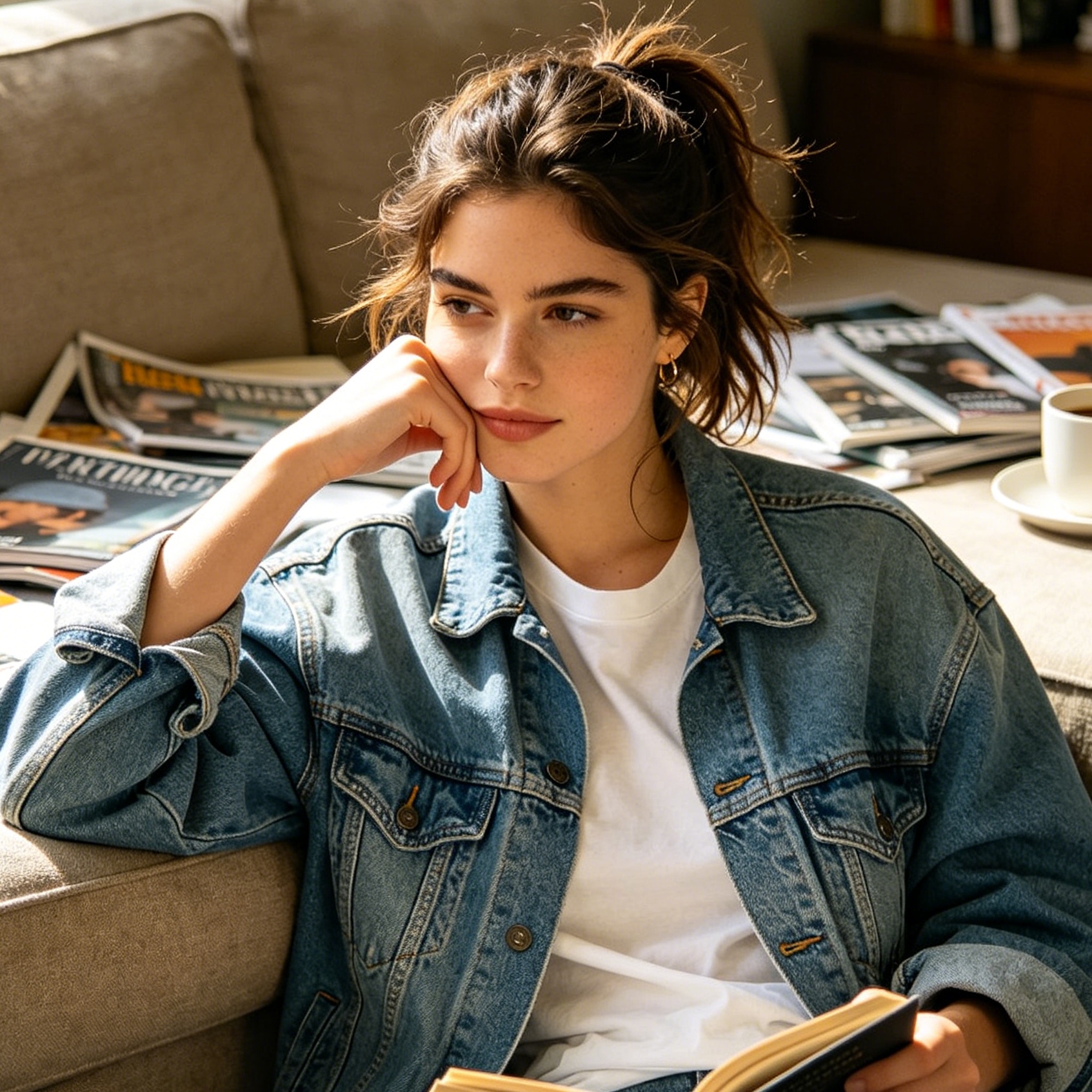
Dirty blonde hair has moved far beyond its origins as a transitional shade between brunette and platinum. In the current aesthetic landscape of 2026, where "quiet luxury" and "lived-in beauty" dominate the conversation, this specific spectrum of color has become a high-status choice. It represents a deliberate move away from the high-maintenance, fragile state of over-processed hair toward something that looks effortless, healthy, and deeply dimensional. Often dismissed in previous decades as "dishwater blonde," the modern iteration of this color is a sophisticated blend of wheat, ash, and honey tones that mimic the way natural hair reacts to sunlight and shadow over time.
The Anatomy of the Perfect Dirty Blonde
Technically speaking, dirty blonde hair typically sits between a Level 6 and a Level 8 on the professional hair color scale. It is defined not by a single pigment, but by the interplay of cool and warm reflections. A classic dirty blonde base is usually a medium-to-dark blonde that incorporates a significant amount of taupe or light brown undertones. What makes it "dirty" is the lack of a stark, clear primary tone; instead, it offers a muted, dusty quality that feels more organic and less synthetic than a bright gold or a crisp silver.
In 2026, the trend has shifted toward "dimensional neutrality." This means stylists are no longer reaching for a single box of color. Instead, the look is achieved by weaving together fine threads of color—lowlights to ground the look in the natural base and highlights to lift the face-framing sections. The result is a color that doesn't just sit on top of the hair but seems to glow from within the internal layers of the cut.
Matching Dirty Blonde to Your Skin's Undertones
One of the primary reasons dirty blonde hair remains a staple is its extreme versatility across diverse skin tones. Because it occupies the middle ground between cool and warm, it can be adjusted toward either end of the spectrum without losing its core identity.
Cool Undertones
For those with pink, red, or bluish undertones in their skin, an ashy dirty blonde is the most complementary choice. This version of the color leans heavily into mushroom tones and charcoal-blonde reflections. By keeping the warmth to a minimum, the hair color neutralizes redness in the complexion and creates a high-fashion, almost editorial look. In these cases, maintaining a cool-toned root smudge is essential to keep the overall aesthetic cohesive.
Warm Undertones
Individuals with golden, peach, or olive skin tones often benefit from a sun-kissed dirty blonde. This involves incorporating shades of amber, honey, and light caramel into the dark blonde base. The goal here isn't to make the hair look "yellow," but rather to give it a toasted, buttery finish. This warmth mimics the natural lightening that occurs after a summer spent outdoors and can bring a healthy, vibrant glow to the skin.
Neutral Undertones
Those with neutral undertones have the luxury of experimenting with the full range of the dirty blonde spectrum. A balanced "wheat blonde" is often the go-to here—a shade that feels neither too icy nor too fiery. It is the purest form of the dirty blonde trend, offering a soft, muted beige that works with almost any wardrobe or makeup palette.
Professional Techniques for 2026
Achieving a believable dirty blonde requires more than a standard highlight appointment. The modern techniques used in salons today focus on longevity and hair health.
Root Melting and Shadow Roots The foundation of any low-maintenance dirty blonde is the root melt. By applying a color that is one or two shades darker at the scalp and seamlessly blending it into the lighter mid-lengths, stylists create a built-in buffer for growth. This eliminates the harsh "line of demarcation" that plagues traditional blondes, allowing for four to six months between color refreshes. In 2026, the "deep root" has become a stylistic choice in itself, adding a sense of grit and realism to the look.
The Midlight Technique While highlights add brightness and lowlights add depth, "midlights" act as the bridge between the two. This involves using a tone that is exactly in the middle of the base color and the lightest highlight. This technique prevents the hair from looking "stripey" or dated. It creates a fluid, watercolor-like transition that is the hallmark of high-end hair color.
Babylights and Face Framing To keep the dirty blonde from feeling too heavy or mousy, ultra-fine babylights are often placed around the hairline. This ensures that even if the back and interior of the hair are quite dark, the reflection against the face remains bright and flattering. This is often referred to as a "money piece," though the 2026 version is much more diffused and subtle than the bold blocks of color seen in previous years.
The Transition: How to Get There
Moving to dirty blonde depends heavily on your starting point. It is rarely a one-step process if you are coming from a very dark or a very light base.
From Dark Brown or Black
If your hair is naturally Level 4 or darker, reaching a dirty blonde requires lifting the hair with lightener (bleach). However, unlike platinum, you don't need to lift the hair to a pale yellow. Lifting to an orange-yellow stage is often sufficient, as the subsequent toner will use those warm pigments to create the "dirty" beige depth. This is significantly less damaging than traditional blonde services, making it an excellent choice for those prioritizing hair integrity.
From Platinum or Light Blonde
For those who are currently very light, the process involves "filling" the hair with pigment. Light blonde hair is often hollow and lacks the underlying warm pigments (reds and yellows) necessary for color to hold. A stylist will first add these tones back in before applying a darker blonde gloss. This prevents the color from looking muddy or turning an unwanted shade of green.
Maintenance and the Science of Longevity
The beauty of dirty blonde hair lies in its durability, but "low maintenance" does not mean "no maintenance." The color is susceptible to environmental factors that can shift its delicate balance.
Combating Brassiness vs. Keeping Warmth A common mistake is treating all dirty blondes with purple shampoo. While purple shampoo neutralizes yellow, it can sometimes make a neutral dirty blonde look too cool or even dull. If your dirty blonde is leaning more toward a light brown, a blue-toning product may be more effective at neutralizing the orange undertones that appear as the color oxidizes. Many professionals now recommend clear glosses or "neutralizing drops" that can be added to standard conditioners to maintain the specific level of beige intended by the colorist.
pH Balancing and Porosity Chemically altered hair always has a higher pH and higher porosity than virgin hair. To keep the dirty blonde pigment locked inside the hair shaft, it is vital to use acidic bonding treatments and pH-balanced cleansers. When the cuticle is smoothed and closed, the light reflects more evenly off the hair, giving that expensive-looking shine that differentiates a salon-grade dirty blonde from a faded, neglected color.
Heat Protection Heat is the enemy of cool-toned pigments. Excessive use of flat irons or high-heat blow dryers can literally "cook" the toner out of the hair, leading to a premature shift toward brassy orange. Using a thermal protectant that contains UV filters is non-negotiable in 2026, especially as we see more extreme weather patterns that can cause rapid color fading through sun exposure.
Styling the Mood: Textures and Cuts
Dirty blonde hair reacts differently to various textures, and choosing the right styling can highlight the multi-tonal nature of the color.
Beachy Waves and Texture The most iconic way to wear dirty blonde is with a loose, lived-in wave. The bends in the hair allow the light to catch the different levels of highlights and lowlights simultaneously. This creates a sense of movement that can make fine hair look thicker and flat hair look more voluminous.
The Sleek Minimalist Look On the other end of the spectrum, a blunt-cut bob or long, straight layers can showcase the precision of a root melt. When hair is straight, the seamlessness of the blend is put to the test. A well-executed dirty blonde will show no harsh transitions, even under bright artificial light.
Braids and Updos Braiding is perhaps the best way to see the true complexity of this color. Because dirty blonde involves so many different strands of color, a braid creates a beautiful tapestry effect, where the light and dark sections intertwine. This is why many people who find their natural hair "boring" fall in love with it again once it has been given a dirty blonde dimensional treatment.
The Economic and Psychological Appeal
In the current economic climate of 2026, consumers are looking for value. A hair color that requires a salon visit every six months rather than every six weeks is an attractive proposition. But beyond the financial aspect, there is a psychological shift. There is a certain confidence that comes with wearing a color that looks like it could be yours. It suggests a lifestyle that isn't tethered to the salon chair—a woman who has more important things to do than worry about her roots.
Dirty blonde is also the "chameleon" of the hair world. It pairs as easily with a structured power suit as it does with a vintage silk slip dress. It doesn't demand center stage; instead, it provides a sophisticated backdrop that allows your natural features—your eyes, your skin, your personal style—to take the lead.
Final Recommendations for the Salon Chair
If you are considering this shift, the most important tool you have is your vocabulary. Avoid vague terms like "natural blonde." Instead, talk to your stylist about "depth," "diffusion," and "level." Ask for a color that has "secondary reflections" and specify whether you want to see more ash or more gold.
Remember that the best dirty blonde hair is a journey, not a destination. It often looks better after a few weeks of washing and living, as the edges of the color soften even further. It is a color designed for the long haul, evolving with you and becoming more unique as it settles into your natural growth patterns. In an era of fleeting trends and digital filters, the raw, earthy, and sophisticated reality of dirty blonde hair remains the gold standard for modern beauty.
-
Topic: 12 Dirty Blonde Hair Colors That Go With Any Skin Tonehttps://www.instyle.com/beauty/pam-and-tommy-hair-makeup-looks
-
Topic: Znaczenie DIRTY BLONDE, definicja w Cambridge English Dictionaryhttps://dictionary.cambridge.org/pl/dictionary/english/dirty-blonde
-
Topic: 22 Dirty Blonde Hair Color Ideas To Try | L’Oréal Parishttps://www.lorealparisusa.com/beauty-magazine/hair-color/hair-color-tutorials/dirty-blonde-hair-color