Home
Home
Why the Tran NY Tube Movement Is Redefining the New York City Experience
New York City has always been a place where language and infrastructure collide to create something entirely new. In 2026, the term "Tran NY Tube" has emerged as more than just a linguistic quirk; it represents the intersection of the world's most iconic transit system and a raw, digital-first way of documenting urban life. To the uninitiated, it might sound like a jumble of syllables. To those living the city’s daily rhythm, it is the shorthand for a specific vibe that balances the grit of the underground with the clarity of modern storytelling.
Understanding this phenomenon requires looking at the physical steel and concrete of the metropolitan transit lines while acknowledging the wave of creators who have turned their lenses toward the subterranean world. The "Tran NY Tube" isn't just about getting from point A to point B; it’s about the culture that happens in between.
The Anatomy of the Term: Why Tube?
The term itself is a fascinating hybrid. "Tran" serves as a truncated form of transit, while "NY" anchors it firmly in the five boroughs. The most interesting element is the addition of "Tube." Traditionally a London moniker, the use of "Tube" in a New York context marks a shift in how the city is perceived globally. It suggests a more streamlined, perhaps more European appreciation for a system that was once purely defined by its "Subway" grit.
In the digital space, this term has been co-opted by a specific niche of content creators—often led by voices from the Asian-American community—who use the phrase to brand their unfiltered tours of the city. When people search for this, they aren't just looking for a train schedule; they are looking for the "real" New York that exists beneath the tourist brochures. It’s a movement that prioritizes the mundane over the magnificent, finding beauty in a rainy morning at a Queensboro Plaza transfer or the neon flicker of a late-night Canal Street station.
The State of the System in 2026
To talk about the Tran NY Tube movement, one must talk about the actual tracks. As of April 2026, the New York transit landscape has undergone significant modernization. The long-anticipated full integration of the R211 train cars has finally replaced many of the aging R46 models, bringing open gangways and bright digital displays to the lettered lines. These trains have become the primary "sets" for the digital storytellers filming their daily commutes.
The physical experience of the "Tube" today is defined by the complete sunsetting of the MetroCard in favor of the OMNY system. The physical turnstiles have evolved, and with them, the way people move through the city has become more frictionless. Yet, the old-world charm (and frustration) remains. The system still operates 24/7, a feat few global cities can claim, and it remains the ultimate social equalizer. On any given 4 train, a tech executive from the Financial District sits across from a student from the Bronx, both of them scrolling through the very videos that define the digital side of this movement.
Authentic Storytelling vs. Influencer Polish
What sets the Tran NY Tube content apart from traditional travel vlogging is its commitment to authenticity. For years, social media was dominated by hyper-polished, color-graded videos of the High Line or DUMBO. The current trend has swung in the opposite direction.
Viewers are now gravitating toward "raw" feeds. They want to see the 2:00 AM wait for the G train. They want to see the specialized food stalls tucked away in the underground concourses of Columbus Circle. This style of content doesn't use ring lights or scripted lines. It uses the natural, buzzing hum of the city as its soundtrack. This shift reflects a broader cultural desire for transparency. In an era of AI-generated perfection, the shaky camera footage of a crowded A train feels more trustworthy and, ironically, more beautiful.
The Cultural Hubs: Where the Movement Lives
The heart of the Tran NY Tube movement is often found in the outer boroughs. While Manhattan gets the most screen time in movies, the digital movement focuses heavily on neighborhoods like Flushing, Jackson Heights, and Sunset Park.
In these hubs, the subway is more than a commute; it is the lifeline for immigrant communities. Creators documenting these areas often highlight the "subway-to-table" pipeline—how a specific exit at a 7 train station leads directly to the best hand-pulled noodles or a hidden bakery. By focusing on these hyper-local experiences, the movement provides a service that traditional media often overlooks. It offers a map of the city’s soul, one station at a time.
Infrastructure and the 2026 Tech Landscape
Technically speaking, the system has seen massive upgrades in its signal technology. The rollout of Communications-Based Train Control (CBTC) on major trunk lines has allowed for more frequent service, though the "Tube" still faces the perennial challenges of a century-old infrastructure.
For those navigating the system today, the reliance on real-time data is absolute. The movement has spurred the development of independent apps and social media bots that track service disruptions with more personality than official channels. This community-led approach to data is a core pillar of the Tran NY Tube philosophy: if the system is broken, the community will be the first to document it, discuss it, and find a workaround.
The Social Etiquette of the Underground
As the city’s population continues to grow and the subway becomes more crowded, a new set of unwritten rules has solidified. These are often the subject of the most viral "Tube" content. In 2026, the etiquette is clear, though not always followed:
- The Backpack Rule: In a crowded car, the backpack belongs between your feet, not on your back. This is a frequent point of contention in digital debates.
- The Doorway Lean: Leaning against the doors is no longer just a safety hazard; it’s considered the ultimate social faux pas in a high-efficiency city.
- The "Showtime" Protocol: Performers remain a staple of the New York experience. The 2026 consensus among locals is a quiet appreciation or a polite look away—rarely do you see the hostility that once defined the interaction.
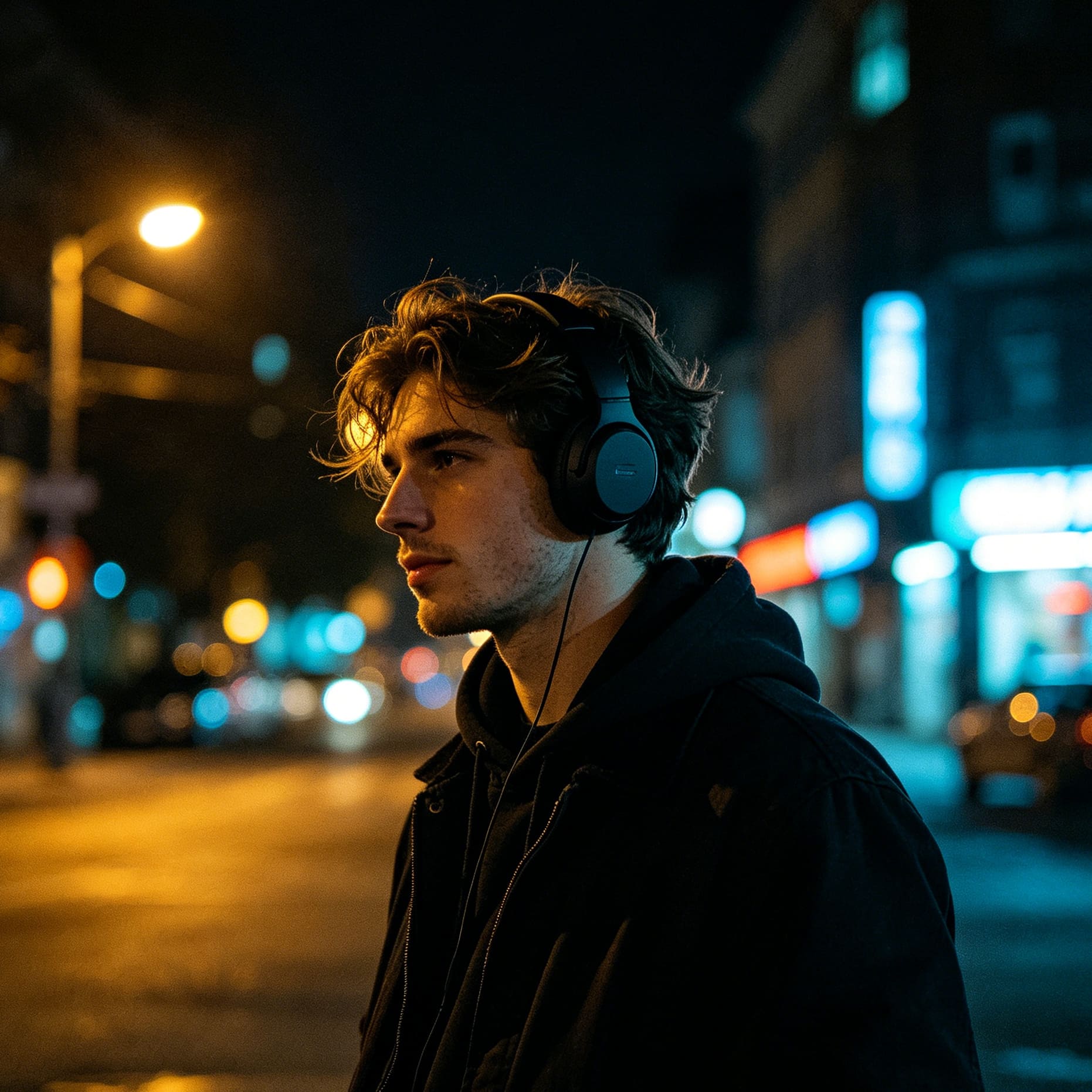
- Quiet Tech: With the ubiquity of high-end noise-canceling headphones, the subway has, in some ways, become quieter, even as it becomes more crowded.
Navigating Safety and Reality
It would be disingenuous to discuss the Tran NY Tube without addressing the concerns that naturally arise with such a massive, open system. Safety remains a top-of-mind issue for both riders and creators. The city has increased the presence of transit ambassadors and improved lighting in many of the deeper stations, but the fundamental reality of a 24-hour urban system persists.
The digital movement plays a role here as well. By documenting their journeys, creators provide a real-time look at the conditions of different lines at different hours. This isn't about fear-mongering; it’s about providing a realistic perspective that helps riders make informed decisions about their routes. The advice often given is simple: stay alert, know your exits, and move to the center of the car if you’re traveling late at night.
The Economic Impact of the Digital Movement
Interestingly, the Tran NY Tube phenomenon has had a measurable impact on local businesses. When a creator highlights a small coffee window inside a subway mezzanine or a newsstand that sells rare international magazines, those businesses often see a significant spike in foot traffic.
This "subterranean economy" is a vital part of the city’s ecosystem. It supports small-scale entrepreneurs who rely on the millions of people passing through the turnstiles every day. By turning the spotlight away from the big-box retailers on the surface and toward the independent operators underground, the movement is helping to preserve the unique character of New York’s neighborhoods.
Looking Ahead: The Future of the Tube
As we look toward the later half of the 2020s, the evolution of the Tran NY Tube shows no signs of slowing down. There are talks of further expansions, such as the continued progress on the Second Avenue Subway and the potential for more inter-borough connectors that bypass Manhattan entirely.
On the digital front, we are likely to see even more immersive ways of experiencing the city. Augmented reality (AR) apps are already beginning to experiment with overlaying historical data or artistic visualizations onto the station walls as you wait for your train. Imagine pointing your phone at a mosaic in the 42nd Street station and seeing the story of the artisans who laid the tile over a century ago.
A Shared Urban Identity
At its core, the Tran NY Tube is about a shared identity. Whether you are the person filming the journey or the person living it, there is a certain pride in navigating the complexities of New York. It is a system that demands resilience, patience, and a sense of humor.
The digital movement has simply given a name and a platform to an experience that has existed since 1904. It reminds us that despite the delays, the crowds, and the occasional grime, there is something profoundly human about millions of people moving together through the dark, guided by a system of steel and light.
In 2026, we don't just ride the subway; we participate in the Tran NY Tube. We contribute to its story every time we tap our phones at the turnstile or share a photo of a sunrise from an elevated platform in Brooklyn. It is the city’s most authentic stage, and the show never ends.
Practical Tips for the Modern Rider
If you find yourself entering the system today, here are a few things to keep in mind to make the most of the experience:
- Diversity of Lines: Don't just stick to the express trains. Sometimes the local lines, like the R or the 1, offer the most interesting views of the city’s architectural history.
- Off-Peak Exploration: If you want to capture the "vibe" of the stations without the crush of the crowd, mid-morning (10:00 AM to 11:30 AM) is often the sweet spot.
- Support Local: The vendors inside the stations are part of the community. A quick purchase at a subway newsstand goes a long way in supporting the local economy.
- Respect the Space: Remember that for most people, this is a workplace or a necessary commute, not just a backdrop. Content creation should never interfere with the flow of traffic or the privacy of fellow riders.
The Tran NY Tube is a living, breathing entity. It changes every day, influenced by the people who ride it and the people who document it. By embracing both its physical reality and its digital presence, we get a fuller, more honest picture of what it means to be a New Yorker today.
-
Topic: Tran NY Tube: A Complete Guide to Its Meaning and Relevance - NYCapitalhttps://nycapital.io/tran-ny-tube/
-
Topic: Tran NY Tube: A Unique Window Into New York’s Modern Digital Life - The Bluphttps://www.theblup.com/tran-ny-tube-a-unique-window-into-new-yorks-modern-digital-life/
-
Topic: Tran NY Tube: The Ultimate Guide to New York City's Subway System - Dar-Carehttps://dar-care.com/tran-ny-tube-the-ultimate-guide-to-new-york-citys-subway-system/