Home
Why True Repose Is More Than Just Taking a Nap
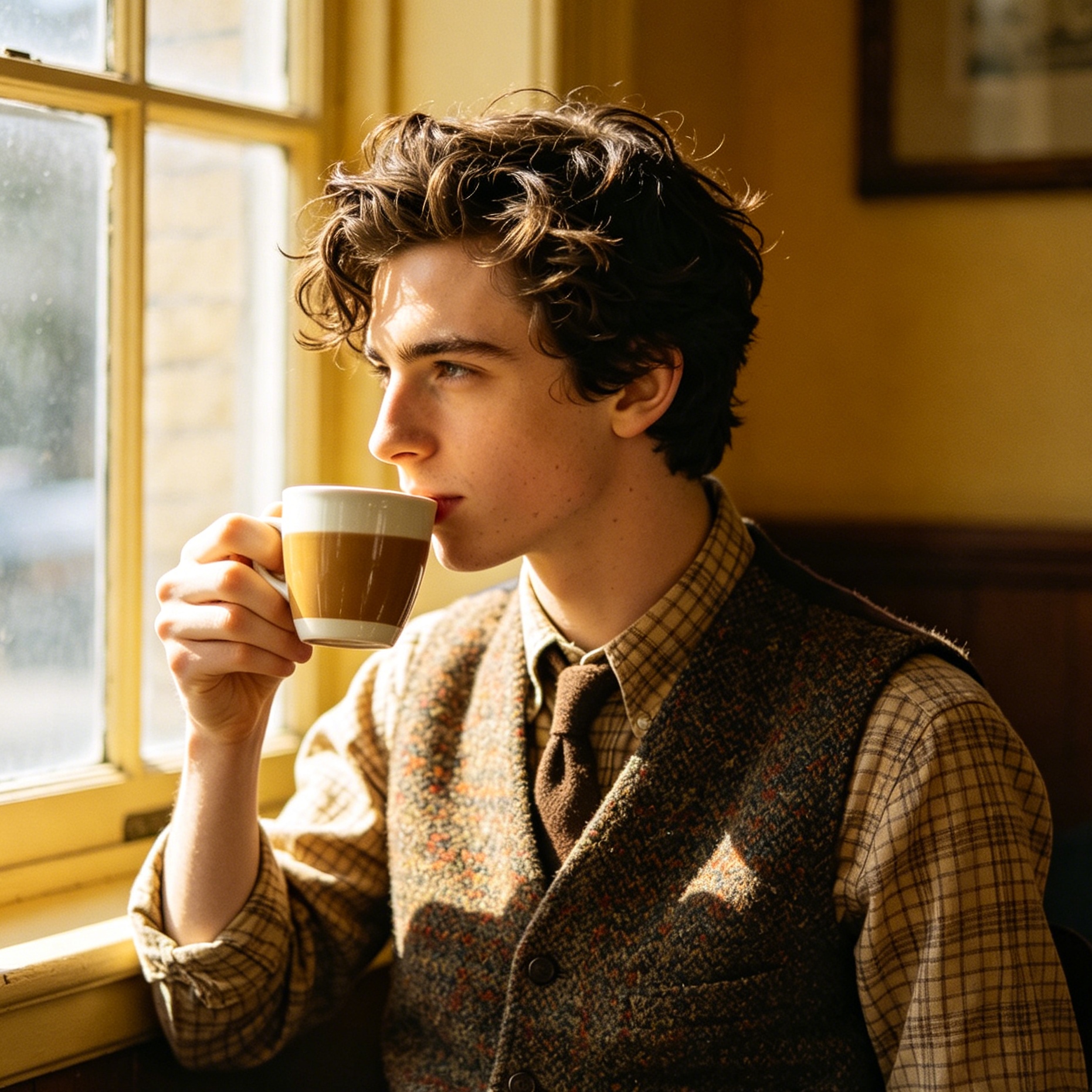
Repose refers to a state of rest, peace, or tranquility. While often used interchangeably with "rest" in casual conversation, it carries a more formal and literary weight, suggesting a profound sense of calm that extends beyond mere physical inactivity. It functions as both a noun and a verb, encompassing everything from the stillness of a sleeping child to the formal entrusting of confidence in a public institution.
The term captures a specific quality of quietude. In a physical sense, it describes a body at rest, often in a graceful or dignified manner. Psychologically, it denotes a mind free from agitation or stress—a state of equanimity where one remains unruffled by external chaos. Understanding the nuances of this word requires looking at its history, its legal applications, and its unique place in the English lexicon.
The Etymological Roots of Repose
The word repose finds its origins in the Old French term reposer, which itself was derived from the Late Latin repausāre. This Latin root is a combination of the prefix re- (meaning "again") and pausāre (meaning "to rest" or "to pause"). Historically, the word implied a return to a state of stillness after a period of labor or movement.
It is interesting to note that while the word sounds similar to "pose," it is not linguistically related to the act of positioning oneself for a photograph or a painting in its primary form. The "pose" in "repose" comes from pausare (pause), whereas the "pose" in "posing" comes from the Latin ponere (to put). This distinction is vital for writers and linguists who wish to use the word with precision. In the late 14th century, English adopted the word to describe both the act of resting and the state of being supported by something.
Four Dimensions of Repose as a Noun
When used as a noun, repose is categorized by its stillness. However, this stillness manifests in four distinct ways depending on whether the context is physical, emotional, or aesthetic.
Physical Rest and Sleep
The most literal meaning of repose is the state of lying down or sleeping. In classical literature, characters often seek a "moment of quiet repose" after a long journey. Unlike the word "sleep," which is a biological description, "repose" suggests a certain quality of the rest. It implies a voluntary, peaceful, and often restorative cessation of activity.
Peace and Tranquility
Beyond the physical body, repose describes an environment or a state of mind. A garden might be described as a place of repose if it offers a sanctuary from the noise of a city. In this context, it is a synonym for serenity. It is the absence of disturbance, worry, or social pressure.
Composure and Equanimity
One of the most sophisticated uses of the word refers to a person’s manner. To maintain one's repose under pressure means to remain calm, dignified, and collected. This is often described as "repose of manner." It suggests that the individual has an internal balance that cannot be easily shaken by external events. In professional settings, leaders who exhibit repose are often perceived as more authoritative and trustworthy.
Absence of Movement in Art and Nature
In aesthetics, repose refers to the lack of animation or movement. A face "in repose" is a face that is not expressing an active emotion—no smiling, frowning, or talking. Artists and sculptors often prefer capturing a subject in repose because it reveals the underlying structure of the features without the distortion of temporary expressions. In nature, a lake may be in repose during the dawn, reflecting the sky like a perfect, undisturbed mirror.
Understanding the Verb Forms of Repose
As a verb, the word functions in three primary capacities, ranging from the literal to the abstract.
To Recline or Rest
The most common verb usage is "to repose," meaning to lie down or rest in a particular place. For example, a traveler might repose on a shaded bench. This usage is strictly formal. You would rarely hear someone say, "I’m going to repose on the couch" in a casual conversation; instead, it is reserved for descriptive writing or formal speech to elevate the tone of the narrative.
To Place Trust or Confidence
A significant but often overlooked usage of the verb is the act of placing something—typically an abstract quality like trust, power, or hope—into the hands of another. When a community "reposes its trust" in a leader, it is effectively "resting" its future and its safety in that person's capabilities. This highlights the connection between rest and support; the trust "rests" upon the individual.
To Lie in Death
In a ceremonial context, "to repose" is used to describe the state of a deceased person before burial. It is a respectful way to speak of the dead, focusing on the peace of their final rest rather than the clinical reality of death. This leads to the specific phrase "lying in repose," which has distinct cultural and political meanings.
What Is the Difference Between Lying in Repose and Lying in State?
These two terms are frequently confused during periods of national mourning or formal funerals. While both involve a casket being placed in a public or semi-public space for people to pay their respects, the distinction lies in the location and the status of the individual.
- Lying in State: This is a high honor reserved for heads of government, military commanders, or significant national figures. The "state" refers to the fact that the person is being honored by the government, and the viewing typically takes place in a principal government building, such as a capitol rotunda.
- Lying in Repose: This term is used when a person of significance (who may or may not be a government official) is laid out for public viewing in a location other than a government building. This might be a church, a funeral home, or a private residence. It is also used for officials who are of high rank but do not meet the specific criteria for "lying in state" in a particular jurisdiction.
In both cases, the word "repose" is chosen because it emphasizes the dignity and the "rest" of the individual, providing a sense of closure and peace for the mourners.
The Legal Concept: Understanding the Statute of Repose
In the field of law, "repose" takes on a very technical meaning that is quite different from its literary or physical definitions. A Statute of Repose is a law that sets a fixed time limit after which a legal claim can no longer be brought, regardless of when the injury or problem was discovered.
Statute of Repose vs. Statute of Limitations
It is crucial for legal professionals and consumers to understand the difference between these two:
- Statute of Limitations: This clock usually starts ticking when the injury occurs or is discovered. For example, if you realize a doctor made a mistake two years after a surgery, the statute of limitations might start from that discovery date.
- Statute of Repose: This clock starts ticking from the date of a specific event, such as the date a product was manufactured or the date a building was completed. If a statute of repose for a defective product is 10 years, and the product causes an injury 11 years after it was made, you cannot sue, even if you just got hurt.
The law uses the word "repose" here because it is intended to provide "rest" or "peace" to potential defendants. After a certain number of years, a company or a builder can "rest" knowing they are no longer at risk of being sued for that specific event. It provides a finality to legal liability.
Repose in Visual Arts and Aesthetics
In the world of art criticism, repose is a vital concept used to evaluate the balance and "feel" of a piece. A composition that lacks repose can feel frantic, cluttered, or exhausting to look at. Conversely, a work that masters repose provides the viewer with a sense of stability.
Sculpture and the Human Form
Ancient Greek and Roman sculptures are often cited as the pinnacle of "physical repose." Even when depicting powerful gods or athletes, there is often a sense of effortless stillness. The muscles are not strained; the posture is balanced. This creates a "monumental repose" that gives the viewer a feeling of eternal calm. In my observations of such works, the sense of repose isn't just a lack of motion; it's the potential energy of a body at peace, which feels much more powerful than a body in mid-action.
Compositional Balance
In painting, repose is achieved through the use of horizontal lines, soft lighting, and "negative space" (the empty areas around the subject). When a painting has a clear center of repose, it allows the viewer's eye to rest rather than darting around the canvas. This is why many landscape paintings feel "peaceful"—they are designed to evoke a sense of environmental repose.
Comparative Linguistics: Repose vs. Rest vs. Serenity
To use the word "repose" effectively, one must understand how it differs from its closer synonyms.
Repose vs. Rest
"Rest" is a broad, everyday term. You can rest your eyes, take a rest break, or put a matter to rest. "Repose" is more specific. It suggests a deeper, more intentional, and often more dignified state. While you might "rest" on a cramped bus, you would only "repose" in a setting that allows for true tranquility.
Repose vs. Serenity
"Serenity" is purely emotional or spiritual. It describes the feeling of being calm. "Repose" includes the physical state. You can have serenity while walking or talking, but repose usually requires some degree of stillness or inactivity. Repose is the physical manifestation of serenity.
Repose vs. Composure
"Composure" is the act of keeping one's emotions under control. It often implies an active effort—"staying composed." "Repose" as a mannerism suggests that the calmness is natural and settled. It is not just about holding it together; it is about being fundamentally at peace.
| Word | Primary Context | Nuance |
|---|---|---|
| Rest | Functional/Biological | Simple cessation of work or movement. |
| Repose | Formal/Literary | Dignified stillness or profound peace. |
| Serenity | Emotional | A clear, untroubled state of mind. |
| Composure | Social/Behavioral | Evenness of temper and self-control. |
Why True Repose Is Essential in Modern Life
In our current high-velocity society, the concept of repose is often dismissed as "doing nothing." However, psychological research into "stillness" suggests that the human brain requires periods of repose to process information and maintain emotional health.
The Problem with "Productive Rest"
Many people today approach rest as a way to "recharge" so they can work more. This is functional rest. True repose, however, is not about productivity. It is about the value of the stillness itself. When we allow ourselves a moment of repose, we are not just waiting for the next task; we are inhabiting a state of being that is free from the pressure of "doing."
Finding Moments of Repose
Cultivating a state of repose can be done through several practices:
- Visual Stillness: Spending time looking at a horizon or a still body of water.
- Mental Deceleration: Engaging in activities that don't have a specific goal, such as sitting in a garden or listening to music without multi-tasking.
- Physical Dignity: Practicing a posture that is relaxed but not slouched, allowing the body to feel supported and stable.
Common Idioms and Phrases Involving Repose
The word appears in several set phrases that are still in use today in legal, religious, and formal contexts.
"Repose Trust In"
This is perhaps the most common formal use of the verb. It is found in contracts, political speeches, and historical documents. "We repose our confidence in the democratic process." It implies a heavy, foundational reliance on something.
"For the Repose of the Soul"
In various religious traditions, especially within the Catholic Church, prayers are offered "for the repose of the soul" of someone who has died. This is a request for the person to find eternal peace and rest in the afterlife.
"Statute of Repose"
As discussed earlier, this is the legal term for a deadline on liability. It is a "statute of finality."
Summary of Key Takeaways
The term "repose" is a versatile and elegant part of the English language. It serves as a bridge between the physical act of resting and the psychological state of peace.
- Noun usage covers physical sleep, emotional calm, social composure, and artistic stillness.
- Verb usage includes the act of reclining, the formal entrusting of confidence, and the ceremonial state of death.
- Legal usage refers to a fixed time limit for liability, providing "peace" to defendants.
- Cultural usage distinguishes "lying in repose" from "lying in state" based on location and official status.
By choosing the word "repose" over "rest," a speaker or writer invokes a sense of dignity, depth, and permanence. It is not just a temporary pause in a busy day; it is a fundamental state of tranquility that allows for reflection, recovery, and respect.
Frequently Asked Questions (FAQ)
What is the simplest definition of repose?
At its simplest, repose means a state of resting or being at peace. It can refer to a person sleeping, a calm mind, or a dignified manner.
Can repose be used as a verb?
Yes. You can repose (rest) on a bed, or you can repose (place) your trust in a friend.
How is repose different from sleep?
Sleep is a biological function. Repose is a broader state of stillness and calm that may include sleep but also includes being awake and peaceful. Repose is also more formal and implies a certain grace or dignity.
What does "face in repose" mean?
A "face in repose" is a face that is not making any expression. It is the natural, relaxed state of the facial muscles when a person is not speaking or reacting to something.
Why do people say "lying in repose" instead of "at a funeral"?
"Lying in repose" specifically refers to the period where the body is available for public viewing in a casket. It is a formal way to describe this specific part of the funeral process, emphasizing the dignity of the deceased.
Is "repose" a common word in daily speech?
No. It is considered a formal or literary word. You are more likely to find it in books, legal documents, or formal speeches than in casual daily conversation.
Is "repose" related to "re-pose" (posing again)?
While they sound the same, they have different origins. "Repose" (rest) comes from pausare (to pause), while "re-pose" (to pose for a photo again) comes from ponere (to put).
-
Topic: REPOSE | English meaning - Cambridge Dictionaryhttps://dictionary.cambridge.org/dictionary/english/repose?q=repose
-
Topic: RE-POSE Synonyms: 248 Similar and Opposite Words | Merriam-Webster Thesaurushttps://www.merriam-webster.com/thesaurus/re%2Dpose
-
Topic: REPOSE | definition in the Cambridge English Dictionaryhttps://dictionary.cambridge.org/us/dictionary/english/repose?q=repose